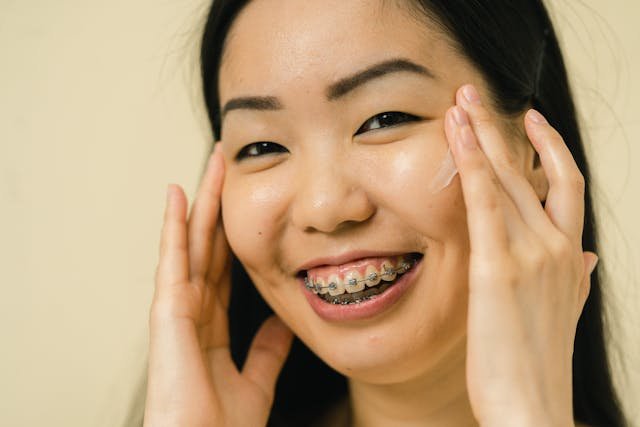
6 Common Myths About Adult Braces Dispelled
Are you contemplating teeth straightening but find yourself held back by concerns about eating or how you’ll look? Fortunately, dentists and orthodontists have dispelled several common myths surrounding adult braces. Here are some frequently mentioned misconceptions about adult braces and the truths that counter them.
1. Adults Are Too Old For Braces
If you traveled back to the 1970s or 80s, you might discover that many believed this myth. While some adults did wear braces during that time, they were primarily associated with fixing dental issues faced by teenagers. Today, orthodontists report that one in three of their patients is an adult seeking orthodontic care.
2. Adults Can’t Eat Normally With Braces
If the previous myth were true, we would see far more adults struggling with eating, given the significant number wearing braces today. Even children with braces manage to eat well once the initial discomfort subsides.
Although there is an adjustment period, your eating patterns will normalize over time. However, it’s important to note that you should avoid certain foods—such as hard, chewy, crunchy, and acidic items—when wearing braces.
3. Braces Are Just for Looks
A brighter smile can indeed boost your confidence and mood, and there’s no fault in wanting to improve your dental appearance. However, adult braces serve more than just aesthetic purposes; they address various unresolved orthodontic issues that many experience during their youth.
Braces for adults can remedy misaligned or damaged teeth, which can lead to gum disease and difficulties with eating. Instead of hindering your ability to eat, adult braces can significantly improve your overall oral function.
4. Braces Look Strange On Adults
Returning to that time capsule, notice how braces have evolved significantly over the last four decades. Children of that era often lacked the aesthetic options we have today and endured braces despite any adverse effects on their confidence.
Modern advancements have resulted in sleeker and smaller braces, including discreet clear aligners and tooth-colored ceramic options. These new designs make braces less noticeable, addressing concerns about appearance.
5. Adult Braces Will Set Off Metal Detectors
Even if your braces contain metal components, orthodontists now utilize medical-grade stainless steel alloy for bands, brackets, and wires. According to the Jacksonville University School of Orthodontics, these materials do not trigger metal detectors, including those at airport security.
With additional contemporary designs available, traveling with braces is convenient. If you still have reservations, you might want to explore non-metal options.
6. Adult Braces Aren’t Needed After Childhood Treatment
While childhood orthodontic care can be beneficial, it may not eliminate the need for further treatment later in life. Natural aging causes dental shifts over time, especially if you’ve undergone extractions. Factors like stress-related teeth grinding or jaw clenching can exacerbate bite issues, potentially leading to cracks and fractures in the teeth.
Dispelling Myths About Adult Braces
Myths often arise during periods of change, fueled by uncertainty. Rumors can easily develop, whether in health, work, or local happenings, and soon a myth may circulate widely.
Sadly, many of the myths surrounding adult braces originate from outdated beliefs. With the knowledge age and access to information, it’s much easier to dispel these misconceptions. So, if you’re considering adult braces, you can be confident and set aside these six myths.


You May Also Like

Coconut Butter vs. Shea Butter: Which Is the Superior Moisturizer?

7 Beauty Tips Moms Can Learn from Celebrity Mothers