
6 Key Swimming Tips for Beginners
Swimming serves as an outstanding cardiovascular workout suitable for individuals across various age groups. Whether your goal is weight loss, enhancing endurance, building muscle strength, or increasing flexibility, here are six beneficial tips for novice swimmers.
Choose the Right Swimming Attire
For newcomers to swimming, selecting appropriate gear is crucial. Opt for quality swimwear that offers comfort and confidence. Men typically wear swim trunks or briefs, while women may prefer a one-piece swimsuit. Essential items for beginner swimmers include swim goggles and caps; additional accessories like kickboards, hand paddles, swim fins, and pull buoys can be considered but are not mandatory initially.
Establish Achievable Swimming Goals
Defining achievable goals can greatly aid your progression in swimming. Set both short-term and long-term objectives while avoiding undue pressure on yourself. Regardless of your athletic background, it’s important to maintain realistic expectations and remain patient with your development.
Don’t let challenges, such as difficulty in floating or mastering strokes, discourage you. Progress at your own speed and refrain from making comparisons with other swimmers. Although swimming is largely safe and often recommended for individuals with conditions like asthma or CMT1, consulting a healthcare professional beforehand is crucial to ensure your overall well-being.
Consider Professional Instruction
While self-taught swimming is possible, engaging a professional instructor can significantly enhance your skills and confidence in the water. Beyond refining your technique, qualified swim teachers can offer constructive feedback that helps build your self-assurance. Seek out a certified instructor with a good reputation and someone you feel comfortable with.
Warm Up Before Swimming
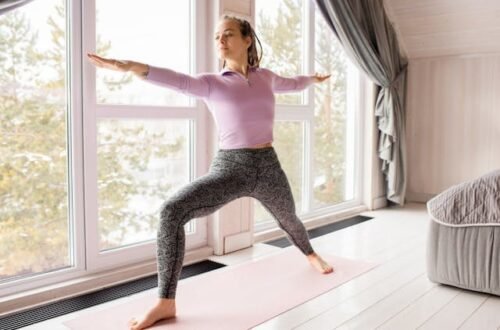
Warming up with stretching exercises prior to swimming is vital for injury prevention and optimal performance. You don’t have to exhaust yourself; focus on warm-up activities that effectively prepare your body for swimming. Some helpful exercises include jumping jacks, squats, arm swings, arm circles, lunges, and high knees.
Stay Calm
A common pitfall for beginners is succumbing to panic while in the water. Even if you have a fear of water, maintaining composure is essential, as panic can lead to severe risks such as drowning. It’s advisable to always have a competent swimmer present while you practice. If you’re alone, remain in shallow areas and ensure a lifeguard is on duty nearby.
Master the Breathing Technique
Learning the correct breathing technique is paramount in swimming. Inadequate breathing can complicate your experience. Always exhale properly when your face is submerged and avoid holding your breath, as this can incite fear or irregular breathing patterns.
Conclusion
Swimming doesn’t have to be overwhelming. Pay attention to your body positioning, grasp the fundamentals, and don’t hesitate to seek professional help when needed.


You May Also Like

6 Tips for Fast Recovery from Sports Injuries
9 Alternative Ways to Stay Fit Without the Gym