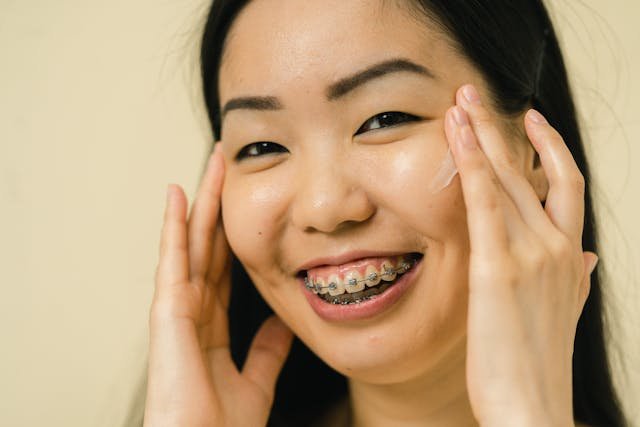
6 Myths About Adult Braces Debunked
Are you contemplating orthodontic treatment to straighten your teeth but are concerned about eating or the way they might look? Fortunately, myths surrounding adult braces have been dispelled by dental professionals. Here are some prevalent misconceptions about adult braces and the truths that counter them.
1. Adults Are Too Old For Braces
If you were to step into a time machine and visit the 1970s or 80s, you would discover that many individuals believed this myth to be true. While it’s true that some adults wore braces, they were primarily linked to correcting adolescent dental issues. Today, however, orthodontists treat one in three patients who are adults, demonstrating that braces are no longer seen solely as a teenage remedy.
2. Adults Can’t Eat Normally With Braces
In light of the previous myth’s debunking, you wouldn’t find a large number of adults struggling with their eating if braces were that problematic for them. Just like children, adults tend to adapt to braces after a brief period of discomfort. While it may take some time to get used to them, your eating habits will normalize. Nevertheless, it’s true that certain foods, such as hard and crunchy items, should be avoided while wearing braces.
3. Braces Are Purely Cosmetic
While improving one’s smile can boost self-confidence and happiness, the reasons for adults to get braces go beyond vanity. Many individuals delayed addressing orthodontic issues during their younger years. Adult braces can effectively address misalignment and damage to teeth, which can lead to gum diseases and difficulties with chewing. Therefore, they play a crucial role in restoring proper function rather than just enhancing appearance.
4. Braces Look Funny On Adults
Take a moment to reflect on how braces have evolved over the last few decades. Looking back at the braces worn by children in the past, it’s evident they often faced challenges to their self-esteem due to their aesthetics. Unlike in the past, modern braces come in an array of designs, including smaller, sleeker options such as clear aligners and tooth-colored ceramic brackets, making them more discreet and appealing for adult wearers.
5. Adult Braces Will Trigger Metal Detectors
Today’s braces, even those containing metal, are made with advanced materials like medical-grade stainless steel alloy, which the Jacksonville University School of Orthodontics noted in 2012 would not activate metal detectors, including those at airport security. With even more innovative options available, traveling with braces is manageable. For those still apprehensive, non-metallic options are also accessible.
6. Adult Braces Are Unnecessary After Childhood Orthodontic Treatment
Although childhood orthodontic care lays a foundation, it doesn’t necessarily prevent the need for further treatment as one grows older. Over time, teeth can shift due to aging processes, especially following extractions. Additionally, habits like teeth grinding and jaw clenching can worsen bite problems later in life, leading to tooth damage.
Addressing Myths Surrounding Adult Braces
Myths often emerge from uncertainties about changes, whether related to health, work, or community events. Rumors can easily gain momentum and eventually evolve into widely held beliefs. Many misconceptions about adult braces trace back to earlier times. Fortunately, thanks to increased awareness and information dissemination in the digital age, it’s become easier to challenge and dispel these myths. If you’ve been weighing the option of adult braces, you can feel reassured by the facts behind these six misconceptions.


You May Also Like

5 Aftercare Steps for Body and Mind Post

The Influence of Nutrition on Mental Health