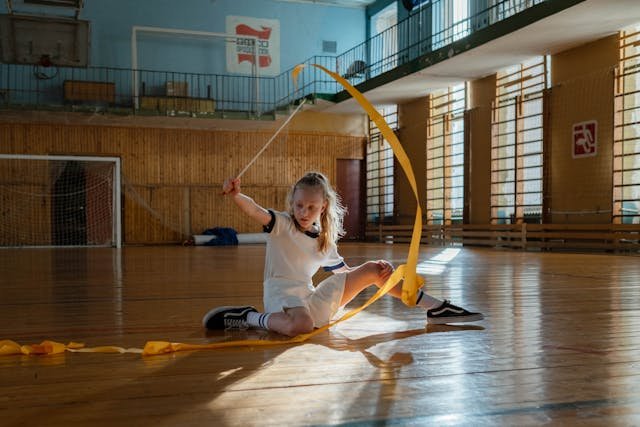
9 Ways Physical Education Influences Child Development
Physical Education (PE) plays a pivotal role in the educational experience, transcending its traditional view as simply a break from academic instruction. It significantly influences children’s physical well-being while also promoting their holistic personal growth. PE is instrumental in molding youngsters into multifaceted individuals, bolstering their mental, social, and emotional health alongside their athletic skills.
Through a variety of sports, exercises, and engaging activities, PE creates an atmosphere where vital life skills are cultivated. Given the contemporary shift towards more sedentary behaviors, the role of physical education has never been more crucial. Let’s explore how PE plays a vital role in contributing to a child’s growth and personal development.
1. Fostering Confidence and Self-Worth
One of the most profound effects of PE is its enhancement of a child’s confidence and self-worth. By overcoming physical challenges, children develop an appreciation for their abilities, learn to push their boundaries, and recognize their potential. Be it mastering a sport or increasing their speed, each milestone achieved boosts their self-esteem. This empowerment through physical activity instills the importance of perseverance and self-belief—qualities that resonate well outside the realm of sports.
2. Enhancing Academic Success
Interestingly, the positive effects of PE extend into academics as well. Collaborating with a K-12 physical education instructor, especially one pursuing an online master’s in physical education, brings numerous advantages. Their flexible training enables them to adopt innovative teaching methods and technologies to meet varying educational needs.
This expertise allows them to craft PE programs that not only emphasize physical fitness but also enhance students’ concentration, memory, and behavior in academic settings. As these educators implement their advanced strategies, students reap the rewards from a more engaging and relevant physical education curriculum that complements their learning and personal growth, significantly contributing to their academic achievements.
3. Developing Social Skills
PE acts as a social hub, teaching children to effectively engage with their peers. Through team sports and collaborative activities, children understand the essence of communication, teamwork, and mutual respect. These valuable lessons in cooperation and collaboration form the foundation for stronger interpersonal skills. The ability to work alongside others, whether as a leader or a supportive teammate, is cultivated on the field, benefiting children in all aspects of life.
4. Promoting Healthy Lifestyle Choices
Regular physical activity teaches children the significance of health maintenance through exercise. This early introduction to fitness and appreciation for movement fosters lifelong habits that promote well-being and help avert lifestyle-related health issues. The crucial lessons about fitness and wellness imparted in PE hold great relevance today, when sedentary habits are becoming increasingly prevalent.
5. Instilling Discipline and Accountability
Participation in PE necessitates a certain level of discipline and accountability. Children learn to abide by rules, effectively manage their time during physical activities, and take charge of their health and development. Such discipline transcends the gym or sports field, positively affecting their academic responsibilities and personal commitments. Responsibilities like preparing for PE classes, organizing their gear, and striving for improvement instill the essence of commitment and self-management in children.
6. Enhancing Mental Health
PE serves as a robust mechanism for boosting children’s mental health. Engagement in regular physical activity is linked to reduced stress, anxiety, and depression. The endorphins triggered during exercise function as natural mood enhancers, making children feel more joyful and relaxed. Furthermore, the camaraderie found in sports and physical activities fosters a sense of community, enabling children to forge friendships that are critical for emotional support and mental well-being. Through PE, children learn resilience, embracing movement as a source of joy and discovering constructive ways to handle life’s obstacles.
7. Cultivating a Sense of Achievement
Physical education offers a distinctive avenue for children to set, strive for, and achieve personal goals. Whether it’s improving their performance in a race, mastering a new gymnastics sequence, or nailing a challenging soccer skill, the fulfillment that accompanies these successes is priceless. This sense of accomplishment nurtures a growth mindset, inspiring kids to embrace challenges and perceive failures as valuable learning experiences. The confidence gained in PE classes positively influences their ability to tackle both academic and personal challenges with determination.
8. Emphasizing Respect and Sportsmanship
One of the key lessons imparted in PE is the importance of respect—for oneself, peers, and the game’s rules. Sportsmanship and respect form the crux of lessons learned through both team and individual sports. Children understand how to celebrate wins gracefully and face losses with dignity. These experiences cultivate resilience, empathy, and integrity. Learning to appreciate the strengths and contributions of others, regardless of the outcome, equips children for the diverse and collaborative settings they will encounter in their future.
9. Promoting Risk-taking and Resilience
PE encourages children to venture beyond their comfort zones and engage in calculated risk-taking. This could involve trying a new sport, taking on a leadership role, or performing publicly. Such encounters are essential for building resilience as children learn to manage fear, setbacks, and uncertainty. They discover that challenges can be overcome, and that perseverance and courage lead to personal growth and achievement. The resilience developed on the field becomes an intrinsic part of their character, empowering them to face life’s challenges with self-assurance.
Conclusion
Physical Education is a critical element in personal development, offering an array of benefits beyond just physical health. It nurtures the mental, emotional, and social dimensions of a child’s growth, crafting them into confident, healthy, and resilient individuals. The diverse experiences offered in PE impart vital life skills such as teamwork, discipline, and perseverance. These teachings extend well beyond the classroom and the sports ground, shaping their response to life’s challenges. It is incumbent upon educators, parents, and community members to support and advocate for well-rounded physical education programs. By doing so, we establish a solid foundation for our children’s success across all aspects of life, both now and in the future. Physical education is not merely an academic subject; it is a crucial investment in the future of our children.


You May Also Like

The Influence of Body Fat Percentage on Fitness Goals and Health Outcomes

Imported Article – 2026-03-27 13:54:25