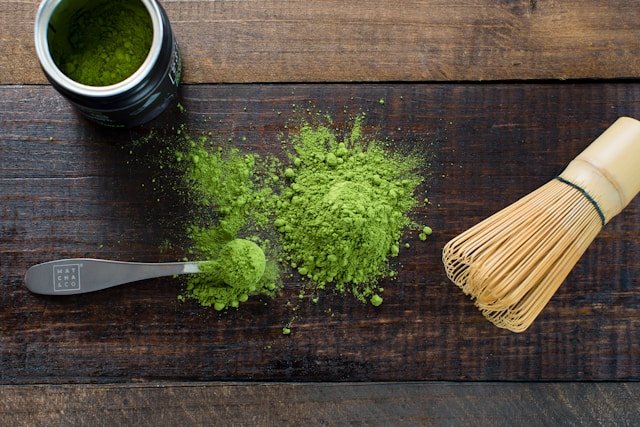
The Ancient Tradition and Modern Science of Matcha Tea
The popularity of matcha surged around 2015, as independent cafés and coffee houses began to showcase this vibrant green beverage, celebrated for its numerous health advantages. Unlike other trending health beverages, matcha tea boasts a rich heritage in Japanese culture. Here’s a look at what has contributed to its status as a worldwide sensation.
What Is Matcha?
Matcha is derived from the finely milled leaves of the Camellia sinensis plant, which is also the source of all conventional green teas. Its distinctiveness lies in its cultivation and preparation methods.
Before being harvested, matcha plants undergo a shading process for several weeks. Only the youngest leaves are selected by hand and steamed to inhibit oxidation. This technique boosts the levels of chlorophyll and phytochemicals, resulting in its signature bright green hue. The dried leaves are then ground into an ultra-fine powder using traditional stone mills. Consuming the whole powdered leaves offers a more robust concentration of caffeine and antioxidants compared to steeped teas.
The roots of matcha’s global popularity trace back to the introduction of tea seeds to Japan by a Buddhist monk from China in the 1110s. This new shading technique significantly enhanced the tea’s unique flavor profile and quality.
From Ceremonial Tea To Iced Lattes
Preparing ceremonial matcha is often a meticulous practice and is typically categorized into two types — usucha (thin tea) and koicha (thick tea). In the traditional Japanese tea ceremony known as chanoyu, koicha is crafted using premium ceremonial matcha, while culinary-grade matcha, if used, tends to impart a bitter and unpleasant flavor, making the ceremonial-grade matcha the preferred choice for special occasions. Conversely, usucha is common for casual enjoyment.
A bamboo whisk, known as chasen, is employed to blend the matcha with hot mineral water (around 175 degrees Fahrenheit) in a rounded tea bowl called a chawan. Ceremonial-grade matcha, which is made from the youngest, tenderest leaves, delivers a naturally sweet, smooth flavor, with minimal bitterness.
Modern interpretations of matcha include the popular matcha latte — a creamy, refreshing fusion of matcha powder, cold milk, and ice. This Western adaptation was designed to cater to contemporary tastes, particularly for those who find the traditional grassy flavor of matcha too intense. The matcha latte has inspired numerous variations, frequently made with culinary-grade matcha that possesses a deeper, more robust taste, and is now featured in smoothies, baked goods, salad dressings, and even popcorn.
Enjoying Matcha Without Waste
Chains like Starbucks and a multitude of cafés have played a pivotal role in making these contemporary matcha variations widely available. Nonetheless, the modernization of matcha consumption has introduced some environmental concerns.
Although matcha itself is an entirely plant-based product, its presentation in disposable cups, often accompanied by single-use straws and plastic lids, poses sustainability challenges. In the U.S., approximately 50 billion coffee cups are discarded each year, with only a mere three out of 450 paper recycling facilities capable of processing those lined with plastic. The ease of enjoying an iced matcha latte on the move frequently comes at a significant environmental price.
If you’re interested in balancing your health choices with environmental stewardship, here are some sustainable ways to enjoy matcha:
- Opt for reusable cups and straws when ordering iced matcha lattes.
- Brew your matcha at home using a traditional bowl or a reusable cup.
- Choose cafés that utilize compostable or biodegradable packaging.
- Purchase ceremonial or culinary-grade matcha in bulk to minimize packaging waste.
Some coffee establishments are beginning to use compostable single-use cups as a means of mitigating beverage-related waste. Unlike typical paper cups that are lined with petroleum-based plastic, compostable options can be added to home compostings and decompose more readily, even if disposed of in landfills.
The Global Matcha Market
The appeal of matcha is evidenced by its booming global market, which hit a value of 4.3 billion in 2023, propelled by a growing awareness of health issues and a shift towards sustainable, plant-based diets. This market encompasses powdered, liquid, and ready-to-drink variants, extending beyond traditional teas into food products and even cosmetic items.
Japan remains the foremost producer and exporter of matcha; however, the U.S. and Canada are witnessing rapid increases in consumption. Despite an impressive 185% rise in production from 2010 to 2023, a global shortage of matcha is emerging, as more than half of the green powder produced is sent overseas for both ceremonial and culinary applications. Culinary-grade matcha is classified into premium, café, ingredient, kitchen, and classic categories.
The Science Behind Matcha’s Health Benefits
There is a justified reason behind the burgeoning popularity of matcha. The catechins present in matcha have been associated with reductions in blood pressure and lower levels of LDL (harmful cholesterol). Additionally, it contains L-theanine, an amino acid known to foster a state of relaxation while maintaining alertness, allowing for concentration without the crash typically tied to coffee consumption.
For caffeine enthusiasts, matcha offers between 38 to 176 milligrams per serving — a higher amount than standard green tea yet less than what’s found in coffee. This gradual release of caffeine results in a gentle, sustained energy increase, making matcha a preferred choice for those seeking focused calmness.
Tradition Meets Trend In A Cup
In contemporary times, matcha is enjoyed in an array of forms beyond its original preparation methods. Once reserved for sacred rituals, it has now been embraced globally for its wellness properties. As matcha continues to adapt, every sip remains a homage to its rich heritage while serving as a nourishing elixir for modern lifestyles.
Author Bio
Jane is an environmental writer and the creator and editor-in-chief of Environment.co, where she focuses on sustainability and eco-friendly living practices.


You May Also Like

Nutritions Role in Preventing Age
From Pan to Plate: A Guide to Choosing Cooking Oil