Hidden Emotions and Toxins: The Unseen Triggers of Skin Issues
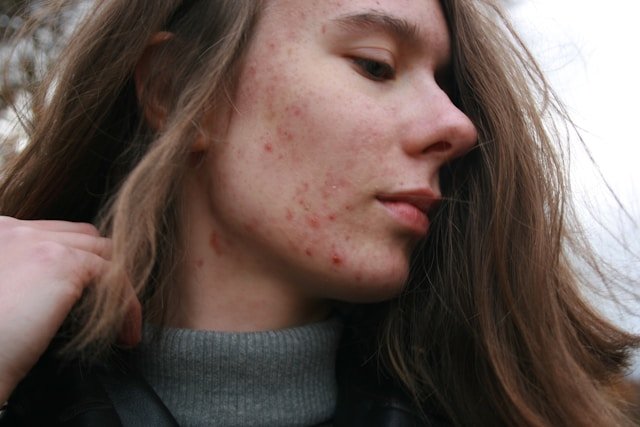
Persistent skin issues such as rashes, acne, psoriasis, and eczema often resist conventional treatments, leaving many individuals frustrated despite their efforts in dietary and hygiene modifications.
Researchers are delving into the underlying causes of these skin conditions, with scientific findings increasingly linking them to emotional stress and environmental toxins. Chronic stress and unresolved trauma may disrupt the endocrine-immune system, exacerbating skin issues, while exposure to pollutants can breach the skin’s protective barrier. Recognizing these often-neglected factors is essential for achieving optimal skin wellness.
Understanding the Connection Between Emotions and Skin Health
Recent studies reveal a compelling association between emotional wellbeing and skin health. For instance, a study indicated that between 35.6% and 59.8% of individuals seeking dermatological assistance reported elevated stress levels, compared to those in control groups. This heightened stress can lead to an inflammatory response in the body, amplifying symptoms, while anxiety related to skin issues can create a harmful cycle of worsening conditions.
The research also suggests that individuals suffering from post-traumatic stress disorder (PTSD) experience more extensive skin issues. Nonetheless, dermatologists seldom inquire about mental health during consultations.
Further studies show that emotional stress can significantly impede wound healing and tissue regeneration by disrupting collagen synthesis and slowing cellular processes, leaving the skin more vulnerable to infections and irritation.
The Hidden Dangers of Environmental Toxins
Continuous exposure to environmental pollutants, such as ozone, PM2.5, volatile organic compounds, nitrogen dioxide, and UV radiation, poses a significant risk to skin health.
PM2.5 can infiltrate the skin through hair follicles and sweat glands, leading to oxidative stress and inflammation. Additionally, UV exposure and elevated temperatures might provoke flare-ups of conditions like rosacea, eczema, and psoriasis. The act of sweating can also heighten sebum production, increasing the risk of acne, fungal infections, and folliculitis.
Radon is another hazardous, colorless, and radioactive gas often found indoors. Research in Switzerland has highlighted a correlation between elevated radon exposure in homes and increased rates of melanoma and non-melanoma skin cancers.
As radon originates from the ground, factors such as soil alterations, construction activities, and weather shifts can affect exposure levels. Implementing a radon mitigation system can significantly reduce radon concentrations, while routine testing can help preempt health concerns, ensuring a safer living environment.
The Interplay Between Emotions and Environmental Toxins
The interplay of emotional stressors and environmental toxins can create a feedback loop that exacerbates skin conditions. When the body experiences various stressors, it releases cortisol, which can compromise the skin barrier, making it more susceptible to issues like psoriasis and atopic dermatitis.
Environmental pollutants can penetrate an already irritated skin surface, hindering the natural detoxification process. This disruption can impede healing and increase recurrence, particularly for those with sensitive skin.
Additionally, climate change contributes to environmental pollution, exacerbating this feedback loop. Global warming elevates levels of ozone and PM2.5, while human activities release greenhouse gases and aerosols that further degrade air quality. These interactions highlight the importance of addressing both emotional stress and environmental toxins concurrently to enhance skin health.
Addressing Underlying Causes for Lasting Solutions
Utilizing eco-friendly skincare products serves as a proactive measure against elusive skin issues. It is crucial to select treatments composed of 100% natural ingredients, free from genetically modified organisms and synthetic irritants. Products containing argan oil, vitamin E, and fatty acids provide anti-inflammatory benefits, while ingredients like apple cider vinegar, lavender oil, and algae extract are highly effective for treating acne.
Engaging in mindfulness, therapy, and restorative activities—such as nature walks, journaling, and meditation—can effectively address the emotional aspects that may trigger skin reactions. A study conducted in Japan found that online mindfulness and self-compassion training led to significant improvements in adults with atopic dermatitis over a 13-week duration.
Adopting healthier lifestyle habits, such as consuming organic produce and enhancing indoor air quality, can also contribute positively. Cultivating a garden can provide a continuous supply of fresh fruits and vegetables while also reducing stress through nature connections and promoting physical activity.
Regularly changing HVAC filters and considering high-efficiency particulate air (HEPA) purification systems are excellent methods to capture allergens and pollutants indoors. Opening windows allows for better air circulation. Additionally, minimizing the burning of candles and incense, using non-toxic cleaning solutions, and maintaining air-purifying houseplants contribute to a cleaner environment. Addressing mold and mildew is equally important for improving both home air quality and skin health.
Recognizing When Professional Help Is Needed
While lifestyle adjustments can undoubtedly help, they may not always suffice to manage severe dermatological symptoms like itching, pain, or infections. In such cases, seeking guidance from a dermatologist may be necessary to gain control over skin issues.
Additionally, pursuing mental health support can be beneficial in addressing any underlying stress or trauma. An integrative care approach takes into account both emotional and physical health, leading to a more comprehensive treatment plan aimed at achieving overall wellness and improved skin.
Fostering Healthier Skin and a Healthier Planet
Understanding the hidden connections between trapped emotions and environmental toxins can significantly enhance your ability to tackle chronic skin conditions. Reflect on your mental and emotional wellbeing, as well as the pollutants you may be exposed to, as a pathway toward healing. Embracing sustainable practices and mindfulness may be key in nurturing healthier, more radiant skin.
Author Bio
Jane is an environmental writer and the founder and editor-in-chief of Environment.co, where she focuses on sustainability and eco-friendly living.


You May Also Like
Choosing the Right Laser Treatment
The Rise of Male Cosmetic Treatments: Key Insights