
Preventing Teen Burnout: Early Recognition and Intervention
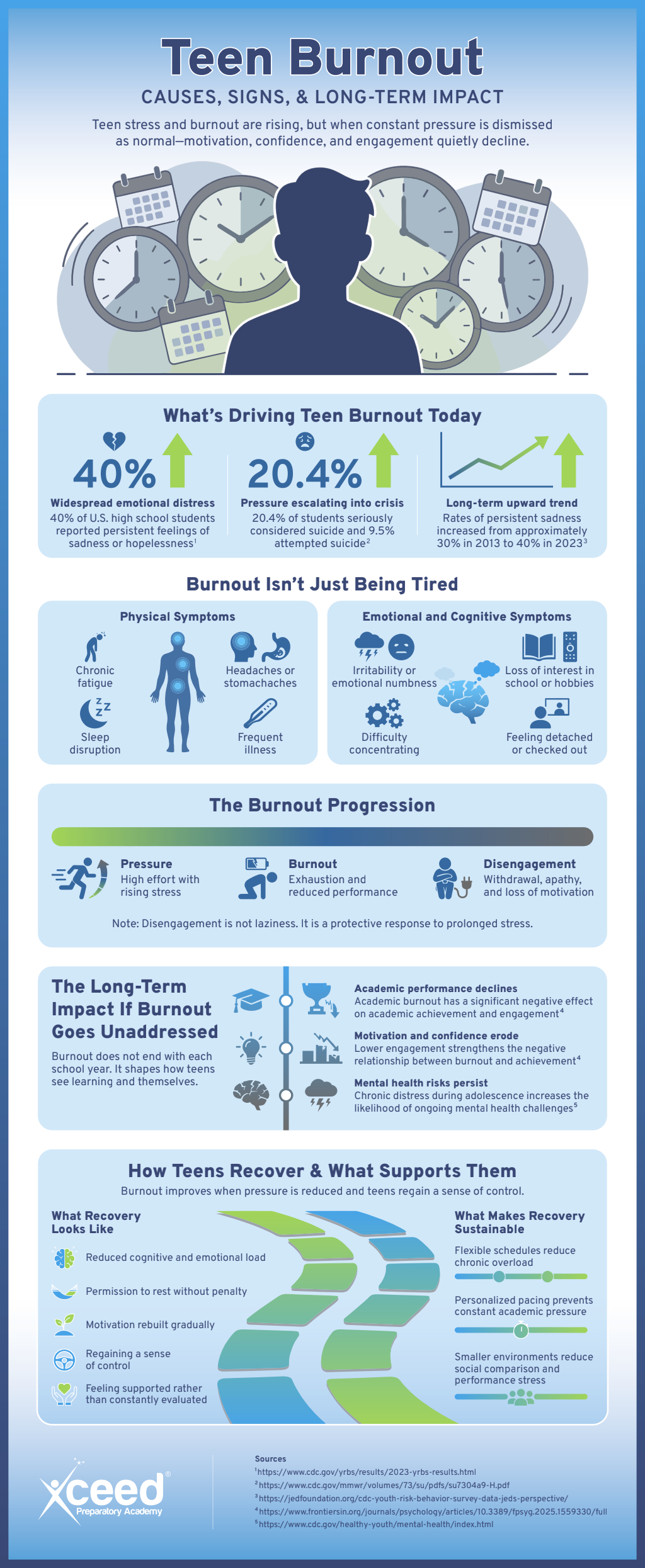
Teen burnout transcends the occasional pressures felt before exams or major events; it represents a deeper state of chronic emotional, mental, and physical fatigue resulting from sustained stress without sufficient recovery time. During this critical developmental phase, adolescents grapple with academic obligations, social pressures, and planning for their futures, all while their brains and bodies are still in a state of maturation. Constant exposure to these demands can lead to burnout, which potentially jeopardizes long-term health.
Key Contributors to Teen Burnout
Academic pressure serves as a major catalyst. The burden of heavy assignments, advanced courses, and the quest for high academic performance fosters persistent strain. Students across both public and private educational institutions often experience intense competition and anxiety over falling behind.
Another factor is overscheduling. Many teenagers transition swiftly from school to sports practices, extracurricular clubs, tutoring sessions, or part-time jobs, often with very little time to unwind. This packed schedule minimizes opportunities for relaxation and introspection, leading to an accumulation of stress.
Social pressures compound the issue further. The impact of social media can exacerbate feelings of inadequacy and anxiety about performance. Teens may feel compelled to curate a flawless online persona while navigating complex peer interactions in both digital and real-world environments.
Even supportive family expectations can unintentionally heighten stress. If a teenager feels that their worth is tied to their accomplishments, they may push themselves beyond what is healthy. This relentless pursuit can eventually sap their enthusiasm and motivation.
Initial Indicators of Burnout
Burnout commonly unfolds over time, and emotional exhaustion often emerges as an early sign. Teens may exhibit irritability, feelings of hopelessness, or a sense of futility regarding their efforts. Activities that once provided joy might start to feel insignificant.
Physical manifestations can also surface. Many teens report experiencing frequent headaches, gastrointestinal issues, and disruptions in their sleep patterns. Some may find it challenging to fall asleep due to racing thoughts, while others may sleep excessively yet still feel fatigued.
Cognitive impacts might follow, including difficulty focusing, memory lapses, and deteriorating academic performance, reflecting mental overload instead of a lack of capability. Additionally, withdrawing from social connections is a clear indicator that emotional reserves are running low.
Potential Long-Term Effects on Health and Development
If left unaddressed, burnout can influence a teen’s mental health outlook significantly. Consistent stress throughout adolescence has been correlated with heightened risks of anxiety disorders and depression in young adulthood. Prolonged activation of the stress response system can impair mood regulation and resilience.
Motivational issues may arise as well. When teens equate effort with exhaustion, they may disengage from their educational pursuits and future aspirations. This mindset can persist into higher education and the workforce, stunting personal growth and satisfaction.
Furthermore, long-term physical health consequences may occur. Chronic stress can alter sleep patterns, diminish immune responses, and lead to unhealthy coping mechanisms such as overeating or substance use. These behaviors can continue into adulthood and affect overall health outcomes.
Teen burnout signifies a lack of equilibrium between life’s demands and the necessary recovery time. Early detection enables families, educators, and healthcare professionals to implement changes in schedules, offer emotional support, and set realistic expectations. Fostering regular sleep, physical exercise, and open communication can aid in restoring balance. Addressing burnout during the teenage years can pave the way for improved mental health, healthier coping mechanisms, and enhanced long-term wellbeing.
For further insights into teen burnout, please refer to the resource provided below.


You May Also Like

Promoting Active Lifestyles in Senior Living Communities Through Recreation

Mediation: Theoretical Beauty, Practical Risks