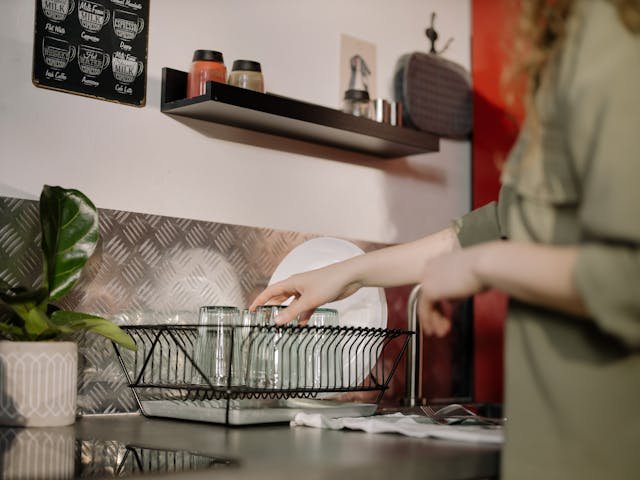
Home Wellness Begins with Smarter Organization
While wellness is commonly associated with proper nutrition, physical activity, and adequate rest, the atmosphere at home also plays a critical role. An unmanaged home environment can contribute to stress, drain our energy, and complicate even the simplest of tasks. When disorder reigns, even minor chores feel overwhelming. By adopting a more organized approach, we create a serene space that benefits both our mental and physical well-being. Living in an organized home provides a necessary reprieve for our minds, enabling us to rest and concentrate better.
The Impact of Clutter on Well-Being
The effects of clutter on wellness are often unnoticed. When items are not in their rightful place, the brain has to exert extra effort to navigate the surroundings. This ongoing mental work can heighten stress, hinder concentration, and complicate relaxation. In the long run, cluttered environments can lead to mental fatigue and emotional strain, even if the mess appears manageable.
Tangible clutter can create emotional strain. The stress of searching for misplaced items, maneuvering through crowded spaces, or feeling ashamed of one’s living conditions adds unnecessary burdens to everyday life. Additionally, clutter can disrupt healthy habits; chaotic spaces can make activities like cooking, resting, or exercising much harder to perform. This disruption subtly impacts both physical wellness and mental equilibrium.
Recognizing how clutter influences well-being transforms organization from a superficial chore into a beneficial practice. Clearing clutter is not about purging everything but rather about establishing a more harmonious space that allows for freedom of movement and breathing. By intentionally storing possessions, a home can transition into a calming sanctuary rather than a source of stimulation. This understanding encourages organizational choices that preserve energy and enhance overall well-being.
Frequently Asked Questions
- How does clutter impact mental health? – It heightens stress levels and makes relaxation more difficult.
- Can clutter have effects on physical health? – Absolutely, it can interrupt routines and adequate rest.
- Is all clutter visible? – Not necessarily; concealed clutter can still create mental tension.
- Does an organized space enhance mood? – Yes, clear environments often lead to more tranquil feelings.
Designing Serene Living Spaces
Establishing calm living environments is about creating spaces that foster relaxation, concentration, and gentle movement. Serenity doesn’t stem from bare rooms but from careful arrangement and defined purpose. When each area serves its intended function, the home becomes more supportive throughout daily life.
Imagine a Day in This Environment:
The morning starts in a tidy bedroom where surfaces are mostly uncluttered. Getting dressed is seamless thanks to logical storage. The kitchen facilitates a peaceful routine in the morning with easy accessibility to tools and ingredients. In the afternoon, a living room offers a distraction-free environment for focused work. Items not currently in use are kept out of sight, creating a visually serene space. By evening, that same area transforms into a restful haven requiring no significant cleanup. The home effortlessly accommodates each phase of the day, minimizing tension and extra responsibilities.
Calmly designed spaces ease the transition between activities. When areas are optimized for flow, these moves feel more natural. Over time, such environments promote slower paces, enhanced focus, and better relaxation. Serenity becomes ingrained in daily life instead of something needing constant effort to achieve.
Organizing for Mental Clarity
A practical strategy for enhancing wellness is to prioritize mental clarity in organization. Rather than solely emphasizing aesthetics, the aim should be to minimize decision fatigue and visual clutter. By reducing the need for the mind to endlessly scan and sort, levels of stress can naturally decline. Mental clarity is fostered by systems that are easy to navigate and sustain.
Minimize Visible Clutter
Not every item needs to be visible or readily accessible on a daily basis. Occasionally used objects can quietly distract from focus when they linger in sight. Storing less frequently used belongings out of living areas allows the home to feel lighter and more tranquil. Utilizing options like Edinger Ave storage NSA Storage can help protect valuable items while alleviating distractions at home, fostering clearer thinking without burdensome decisions about what to retain.
Trust Your Organizational System
Confidence in your organizational methods enhances mental clarity. Understanding where items are and how to retrieve them alleviates background anxiety. Simple and straightforward systems tend to be more effective than complicated solutions.
Establishing Healthy Home Routines
Efficient routines flourish in organized environments. When a home supports everyday practices, wellness shifts from being an additional task to an integral part of daily living.
Aligning Space with Daily Habits
Rooms should reflect their intended uses. When storage aligns with daily routines, maintaining healthy habits becomes significantly simpler.
Practical Examples:
Homes that engage in nightly resets for key areas often enjoy calmer mornings. This small daily maintenance prevents the build-up of clutter.
Prioritize Consistency Over Perfection
Effective wellness routines do not demand absolute order but rather reliable structure. When thoughtful organization fosters consistency, the home serves as a stable foundation for both physical and mental well-being.
Sustaining Balance Over Time
Wellness at home requires ongoing effort; it is not a one-and-done endeavor. As habits evolve and circumstances change, organizational systems need to adapt to remain effective. Maintaining balance over time necessitates regularly reviewing how spaces are used and making incremental adjustments before clutter or stress resurfaces. This strategy aligns the home with present needs rather than outdated practices.
Regularly Evaluate Organizational Systems
Organization should progress along with daily life. What functioned well in the past may not satisfy new habits or priorities. A brief assessment every few months can help identify which items feel cumbersome or unnecessary. Early adjustments can prevent overwhelming feelings and keep spaces looking peaceful and purposeful.
Sustain Simplicity Amid Change
As new belongings enter the home, maintaining balance requires letting go of or storing away certain items. Without this practice, even efficient systems can become overstretched. Keeping simplicity intact fosters clarity and comfort.
Responding to Common Queries:
When considering how often to evaluate your organization, most find every three to six months to be sufficient. People often ask if frequent changes are necessary, as small adjustments ensure stability and help avoid larger disruptions in the future. Additionally, balance does not equate to minimalism; it is subjective and should focus on ease rather than rigidity. One of the biggest challenges in progress is allocating time, and finding balance can ultimately save time by reducing daily friction. Such inquiries underscore that the cornerstone of lasting well-being lies in minor adaptations instead of significant upheavals that could provoke anxiety.
Incorporating Wellness Into Daily Life
Wellness is achieved through continuous, manageable choices that affirm both body and mind. By purposefully organizing the home environment, you can better rest, concentrate, and navigate daily activities with less stress. The impact of organization on mood, energy, and habits often goes unrecognized.
Take a moment to reflect on how your surroundings either support or disrupt your daily habits. Small, thoughtful adjustments can enhance calmness and clarity. The journey to wellness at home, through effective organization, is not about achieving perfection but about fostering an environment that works in harmony with you. When your home nurtures well-being, wellness naturally becomes a part of your everyday experience instead of an elusive goal.


You May Also Like

Common Tax Errors Doctors Make and How to Avoid Them

Imported Article – 2026-03-27 14:50:24