Mascaras Hidden Dangers: Prioritizing Eye Health in Beauty Discussions
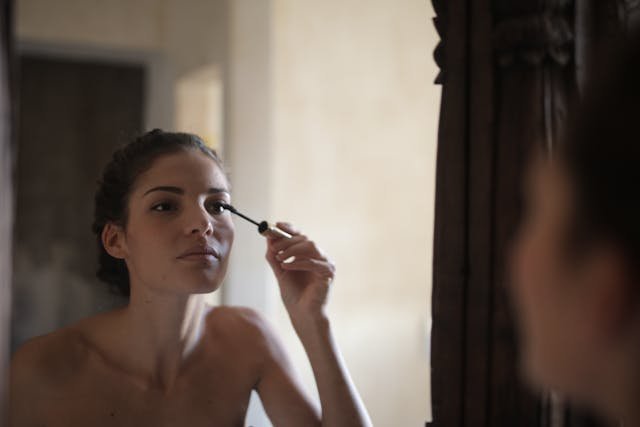
Every day, countless women enhance their eyelashes with mascara, often neglecting the potential impact on their eye health.
Mascara ranks as one of the most popular cosmetics globally, yet few discuss its effects on eye biology, such as the health of the eyelid microbiome, meibomian glands, tear film, and the delicate barrier that maintains eye comfort and prevents infections. This article is not intended to discourage beauty practices; instead, it aims to raise awareness. Recognizing how small daily actions accumulate can lead to straightforward solutions that your eyes will appreciate.
Understanding Your Eyelid Microbiome
Your eyelids and eyelashes host a variety of microbes that play a role in protecting against infection and inflammation. The presence of harsh preservatives, scented removers, and aggressive cleansing can disrupt this microbial balance, akin to how antibacterial soaps damage skin. Irritation or over-cleaning at the lash line often results in increased inflammation and opportunistic organisms—like demodex mites—taking hold in the follicles. This can lead to symptoms such as redness, grit, “fatigue” in the eyes, and a surge in dry eye cases among various age groups.
Understanding the Oil System
The meibomian glands, located along the lash line, produce the lipid layer of the tears. This oily layer is vital as it prevents the watery portion from evaporating. However, the use of thick, waterproof mascaras, aged products, and persistent residue can clog these glands. When combined with extended screen time, which reduces blinking, and the habit of sleeping with mascara on, the result is evaporative dry eye, accompanied by burning sensations and light sensitivity—all while many believe stronger eye drops are the remedy.
Decoding the Ingredients in Your Mascara
Mascaras vary greatly in their formulations. Here are some common ingredients to watch out for:
- Long-lasting or “waterproof forever” promises often indicate the use of stronger film-formers, which require rigorous removal, increasing the need for rubbing.
- Preservatives and solvents (like certain parabens, phenoxyethanol, and formaldehyde releasers) can irritate the thin skin of your eyelids.
- Carbon black and some colorants derived from coal tar can provoke allergic reactions in sensitive individuals.
- PFAS, sometimes labeled as PTFE or other “fluoro-” ingredients, can be found in some mascaras for improved slip and water resistance, raising concerns due to their persistence in both the body and the environment.
While singular exposures may be minimal, cumulative daily contacts over the years, especially on sensitive surfaces, warrant careful consideration.
Practical Hygiene Tips for Eye Health
The majority of eye problems linked to mascara usage stem not from one problematic ingredient but from essential hygiene practices, removal techniques, and product replacement schedules.
To help safeguard your eyes while using mascara, consider these adjustments:
- Replace mascara every three months — The warm, moist environment of the tube is ideal for microbial growth. Discard it sooner if there are any off smells or clumping.
- Avoid sharing mascara — Bacteria don’t distinguish between friends.
- Don’t pump the wand — This introduces air and potential contaminants into the tube.
- Gently remove mascara each night — Steer clear of scrubbing. Use a simple makeup remover, followed by a rinse with lukewarm water, and pat dry without rubbing.
- Mindfully cleanse the lash line — Utilizing a few sprays of a hypochlorous-acid cleanser on closed eyelids followed by a gentle wipe along the lashes can help maintain healthy microflora without overwhelming your microbiome.
- Take breaks — Designating mascara-free days allows the glands to function properly and the tear film to restore itself.

Tackling Dry Eyes
Dry eye issues rarely resolve with just the addition of eye drops. Here are some causes and their remedies:
- Meibomian gland function — If oil is not reaching the tear film, evaporation occurs. Gentle warm compresses (clean and not excessively hot) followed by light eyelid massages can facilitate oil release.
- Blinking habits — Prolonged screen time decreases blink frequency and effectiveness. Incorporate the “20-20-20” rule (look at something 20 feet away for 20 seconds every 20 minutes) and aim for complete blinks.
- General health factors — Factors such as dehydration, mouth breathing, poor sleep, insufficient omega-3 intake, and high indoor heating or AC can thin the tear film. Beauty requires a holistic approach.
- Safer cosmetic choices — Opt for “tubing” mascaras or easily removable formulas that wash off with warm water, reducing friction and the need for removers.
- Short ingredient labels are preferred — Avoid PFAS compounds, synthetic fragrances, and formaldehyde-releasing preservatives whenever possible.
- Use clean applicators — Non-fibrous wands or properly cleaned reusable applicators prevent shedding and irritation.
- If you wear contacts — Apply mascara only to the tips of your lashes, avoiding the base, and remove lenses beforehand.
- For those with chronic eye conditions — If suffering from blepharitis, styes, or meibomian gland dysfunction, consider saving mascara for special events during your recovery phase.
Beauty That Upholds Biological Health
Graceful lashes originate from internal health: adequate intake of proteins, minerals like zinc, vitamin A, collagen-rich foods, and omega-3 fatty acids are vital for follicle and meibomian gland health. Exposure to morning daylight (without lenses or glass) supports circadian rhythms, enhancing tear production and overnight recovery. Stress management and sufficient sleep are essential; the body generates the best antioxidant defenses while at rest.
In Conclusion
Mascara itself is not the enemy; it’s the lack of awareness that can harm. By neglecting the eyelid microbiome and meibomian glands, we may choose short-term aesthetics over long-term comfort. With the right product choices, gentle removal practices, and simple eyelid hygiene, you can enjoy the look you love while revitalizing your eye comfort.
Quick Eye Health Checklist for Mascara Use
- Replace every three months
- Do not share; avoid pumping the wand
- Gently remove each night (no scrubbing)
- Use a hypochlorous eyelid spray followed by a gentle wipe
- Incorporate warm compresses and full blinks daily
- Choose tubing or easily removable formulas; steer clear of PFAS
- Allow mascara breaks during irritation episodes
- Stay hydrated, nourish yourself, and prioritize sleep
About the Author
 Benjamin Smith, founder and CEO of Ultimate Health Model, promotes a revolutionary approach to addressing the root causes of health issues. As a certified health coach, he is dedicated to spreading knowledge that empowers individuals to attain well-being. His upcoming book, Why Are You Sick? How to Reclaim Your Health with the Ultimate Health ModelTM (Pro Audio Voices, Inc., August 20, 2025), encourages readers to not only survive but thrive. Find out more at ultimatehealthmodel.com, and access his free audiobook here.


You May Also Like

The Impact of Pool Chemicals on Lung Health: Essential Insights

Free Consultations for Injury Cases in San Antonio