The Importance of Warmth for Elderly Health in Winter
As temperatures decline, winter can pose significant challenges for seniors. What might seem like a slight chill to others can have severe implications for individuals with weakened immune systems or pre-existing health issues. Each year, the NHS indicates an uptick in hospital admissions due to cold-related conditions like pneumonia, heart attacks, and falls.
Staying warm transcends mere comfort; it’s essential for health and wellbeing. When body temperature drops below safe thresholds, it adds stress to the heart and respiratory systems, increases joint stiffness, and can adversely affect mood and mental wellbeing. Establishing and keeping a warm and safe home environment is vital in helping older adults maintain their health, activity levels, and independence throughout the winter months.
The Importance of Warmth for Senior Health
As individuals get older, their bodies naturally become less adept at regulating temperature. Consequently, seniors tend to lose heat more quickly and might not recognize cold until their body temperature has already dropped to a critical level. Additionally, a compromised immune system hinders their ability to fend off infections, which are more prevalent during the winter months.
Living in a cold environment can swiftly shift from uncomfortable to perilous. Low indoor temperatures can elevate blood pressure, exert additional strain on the heart, and heighten the risk of heart attacks and strokes. Cold air can also aggravate lung conditions, potentially leading to respiratory infections like the flu or pneumonia. For individuals experiencing chronic health issues such as arthritis, diabetes, or heart disease, cold conditions can exacerbate symptoms and hinder recovery.
Moreover, routine tasks can become increasingly troublesome in chilly settings. Stiff muscles and joints can limit mobility, which raises the risk of falls and injuries.
The Impact of Warmth on Mental Health
Cold, dark winter days can negatively affect more than physical health. Many elderly individuals report feelings of loneliness or sadness during this season, especially when shorter days restrict social interactions and outdoor activities. A frigid home can amplify these feelings, fostering an isolating environment.
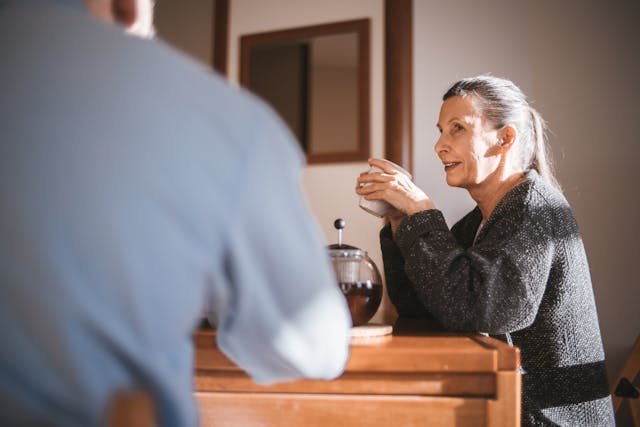
Conversely, a warm and inviting living space can greatly enhance mood and emotional wellbeing. It encourages relaxation, improves sleep quality, and instills a sense of safety – all contributing positively to mental health. Simple comforts, like snuggling under a blanket or enjoying a warm beverage, can significantly help older adults feel connected, cared for, and content during the winter months.
Effective Tips for Keeping Seniors Warm and Safe This Winter
Staying warm doesn’t need to be complicated—small, daily practices can significantly enhance comfort and safety. Here are some straightforward, practical suggestions to fend off the cold this winter:
- Dress in Layers: Opt for several light layers instead of one bulky sweater. Thermal tops, socks, and slippers help trap body heat.
- Stay Active: Engage in light indoor exercises, such as stretching or taking gentle walks around the home, to enhance circulation and body warmth.
- Draught-Proof Your Home: Employ draught excluders, door stoppers, and thermal curtains to prevent heat loss and keep warmth inside.
- Be Aware of Support Options: Look into eligibility for winter fuel payments, cold weather assistance, or energy efficiency grants that can lessen heating expenses.
- Ensure Safe Temperatures: Aim to maintain living areas between 18°C and 21°C. Utilizing a thermostat or portable heater in crucial rooms can help ensure consistent warmth.
These easy measures not only defend against cold but also enhance comfort, wellbeing, and peace of mind throughout the winter season.
Maintaining Home Heating and Boiler Efficiency: Ensuring Reliable Systems
We often take heating for granted until it fails on the coldest day of the year. Regular maintenance and efficiency evaluations can be pivotal in maintaining a warm, safe, and cost-effective home.
An effective boiler not only delivers steady heat but also aids in reducing energy costs and lessening the environmental footprint. Annual maintenance checks ensure your boiler operates smoothly and safely, and upgrading to modern, energy-efficient models can enhance performance and reliability.
If your boiler is unreliable or struggling to uniformly heat your home, companies like WarmZilla simplify the process of comparing and installing energy-efficient boilers that keep your residence warm and safe all winter long. Investing in a reliable heating system grants peace of mind and guarantees that each room remains comfortable, irrespective of the outdoor conditions.
A Warm Home Equates to a Healthy Home
Maintaining warmth in winter is more than just a matter of comfort; it is fundamental to safeguarding both physical health and emotional wellbeing. For older adults, ensuring a consistently warm home can mitigate illness, alleviate stress, and foster independence.
Taking proactive precautions by checking heating systems, dressing in layers, and making minor home enhancements can help avert larger issues later in the season. Each effort towards a warmer, safer home reinforces confidence and peace of mind.
A warm home truly makes a difference—not solely in comfort, but also in health, happiness, and overall quality of life.


You May Also Like

Advantages of Oral Appliance Therapy for Sleep Apnea

The Mind