Therapists Guide to Staying Connected During the Holidays
The holiday season often conjures images of sparkling lights and cherished moments, yet for couples facing difficulties, this time of year can feel overwhelmingly burdensome. Many couples have sought guidance as they navigate these challenges, especially as December seems to amplify existing vulnerabilities.
One significant factor contributing to the strain is expectation. Our vision of the holidays is often shaped by portrayals in movies, where perfect meals and idyllic family gatherings create idealized memories. However, in reality, we must manage budgets, complex family relationships, unresolved childhood emotions, and an overflowing calendar, leaving little room for happiness. Such pressure can make the simplest tasks, like hanging lights or choosing holiday destinations, feel daunting.
Yet, the silver lining is that through honest dialogue and establishing healthy boundaries, couples can endure this season without drifting apart. Surprisingly, this journey can even fortify your bond.
Here are six strategies to help you maintain your connection during the holidays:
6 Strategies to Stay Connected During the Holidays
1. Replace “perfect” with “good enough”
Dismantle the illusion of perfection. Authentic holidays can be chaotic, and that’s perfectly acceptable. Collaborate to define what “good enough” looks like for you this year—perhaps opting for simpler meals, fewer commitments, or less frantic pacing. By abandoning the pursuit of an ideal holiday, both of you can find a sense of relief.
2. Focus on daily moments of connection
You don’t need long hours; just a few meaningful minutes without distractions. Whether it’s a morning coffee, a stroll after dinner, or a quiet moment before bed, these small rituals help maintain emotional stability.
Consider suggesting, “Can we carve out 10 minutes this evening to disconnect from our phones? I want to stay close to you amidst the holiday hustle.”
3. Create a budget agreement
The financial pressures of this season can escalate quickly. Together, determine a budget for gifts, travel, and additional expenses, and commit to it. Overspending in order to “make the season memorable” can often lead to regret. Instead, prioritize one or two meaningful experiences, like a walk to see neighborhood lights or a cozy movie night at home, which might enhance your relationship more than material gifts.
You could say, “Let’s settle on a budget that works for both of us, and plan one enjoyable experience together.”
4. Share the calendar responsibilities
It’s not mandatory to attend every event as a couple. Discuss which gatherings are important to each of you, what could be done alone, and what can be skipped entirely. Shielding your energy also protects your relationship.
5. Establish a time-out signal
Inevitably, disagreements may arise. With families involved and stress levels high, it’s prudent to have a plan for taking a break when emotions escalate. A brief walk outside or a pause later in the day can prevent unnecessary hurt.
A considerate approach might be, “I care about you, and this conversation matters. Can we step out for five minutes to prevent saying something we might regret?”
6. Set compassionate boundaries with family
This can be a challenging aspect for many couples. You’re not obligated to meet every demand placed on you. Establishing boundaries isn’t a rejection; it’s a safeguard for your relationship. You have the option to arrive later, leave earlier, or alternate holiday celebrations. Consider starting a unique tradition that is just for the two of you.
Say something like, “We’re eager to see everyone and will join from three to six, as that time frame helps us maintain a peaceful day.”
The holiday season can magnify underlying issues. With a bit of steadiness, open communication, and a few considerate limits, you can navigate this period together rather than apart.
Author Bio

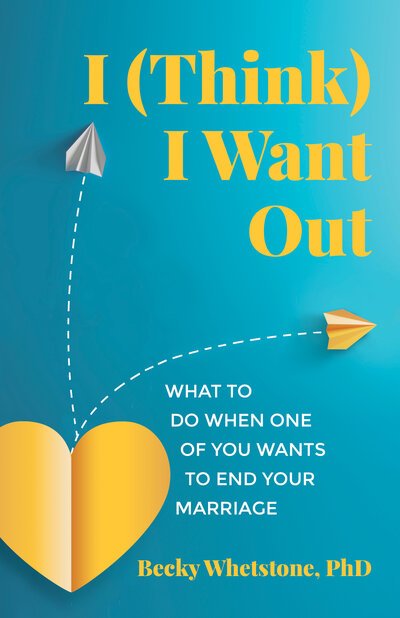
Becky Whetstone, PhD, is a therapist specializing in marriage and family dynamics and is dedicated to assisting couples in overcoming crises with clarity and resilience. She has developed the Two Month Marriage Crisis Program and authored I (Think) I Want Out: What To Do When One Of You Wants To End Your Marriage. Discover more about her initiatives and her book here.


You May Also Like

Why Are Hemp Products Becoming Popular for Natural Stress and Anxiety Relief?

Choosing the Ideal Cozy Living Space for Aging Loved Ones