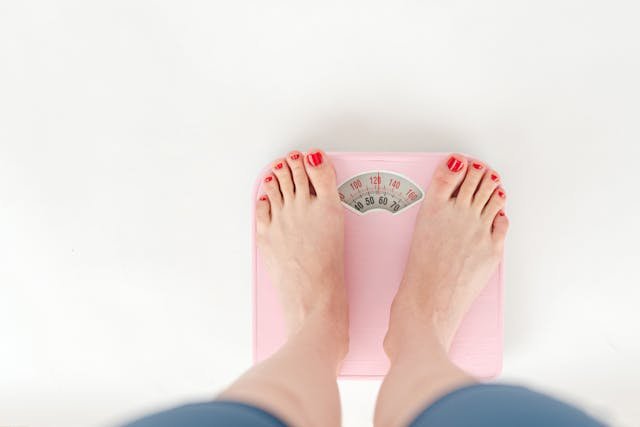
5 Effective Tips for Healthy Weight Loss
Achieving weight loss in a healthy and enduring manner revolves around establishing balance rather than seeking out rapid solutions. The most effective method integrates thoughtful nutrition, regular physical activity, and practical habits that align with the body’s natural functions.
While crash diets and extreme limitations may yield quick outcomes, they are rarely sustainable and can often result in fatigue, nutrient shortages, or quick weight regain. Genuine, lasting success stems from creating a foundation that nurtures both physical and emotional well-being.
In this context, nutrition is particularly vital. A deficiency in essential nutrients can lead to decreased energy levels and hinder weight loss efforts. Nutritional supplements, such as Replenza, can assist individuals in achieving their vitamin and mineral quotas and promote a healthy metabolism.
Integrating sound nutrition with mindful exercise and healthy practices enables gradual and consistent progress. Below are five established strategies that illustrate effective weight loss methods while upholding long-term health.
1. Emphasize Nutrient-Rich Foods Over Caloric Intake
While the balance of calorie intake is critical for weight management, the quality of those calories is equally significant. Nutrient-dense foods enhance energy, aid recovery, and facilitate metabolic function. Shift your attention from merely reducing caloric intake to prioritizing the nutritional value of your meals.
Choosing whole, unprocessed foods—such as lean proteins, vegetables, fruits, and complex carbs—can help you feel fuller longer and maintain stable blood sugar. These foods offer the vitamins and minerals necessary for effective metabolism and energy generation.
On the other hand, heavily processed foods tend to be low in nutritional value and can create energy fluctuations, complicating adherence to your dietary plan.
A nutrient-rich diet assures that your body receives the necessary components to efficiently burn fat without compromising health. The focus gradually shifts from merely consuming less food to making wiser dietary choices that support both weight management and overall well-being.
2. Engage in Regular Physical Activity
Exercise serves as one of the most effective means of maintaining a healthy weight. Consistent physical activity not only burns calories but also strengthens cardiovascular health and preserves muscle mass, all of which are essential for long-term success. Moreover, exercise is crucial for mental health, uplifting mood, and enhancing motivation to remain committed.
A blend of cardiovascular activities and strength training yields optimal outcomes. Cardio exercises such as brisk walking, cycling, or swimming improve endurance while facilitating fat loss.
Conversely, strength training contributes to muscle growth, which increases the body’s resting metabolic rate. More muscle mass equates to higher calorie expenditure, even in a state of rest.
3. Emphasize Protein Intake and Hydration
Both protein and hydration are essential yet often neglected components of a successful weight loss regimen. Protein aids in maintaining lean muscle during caloric deficits and fosters satiety, which helps curtail overeating. It is also crucial for tissue repair and growth, particularly for those incorporating strength training into their routines.
Excellent protein sources include poultry, fish, eggs, legumes, tofu, and low-fat dairy products. Distributing protein intake consistently throughout the day can help sustain energy levels and enhance muscle recovery.
Hydration is equally important. Water is vital for digestion, nutrient absorption, and appetite regulation. Thirst can sometimes be confused with hunger, leading to unnecessary snacking. Drinking sufficient water before meals can aid in portion control and improve overall digestive health.
4. Address Stress and Sleep Quality
Stress management and adequate sleep are critical yet often overlooked aspects of weight control.
Chronic stress can elevate cortisol levels, a hormone that promotes fat accumulation, particularly in the abdominal area. Heightened stress can also trigger cravings for sugary or high-fat foods, making it challenging to adhere to a healthy eating plan.
Quality sleep is equally vital. Insufficient rest disrupts the balance of hunger-regulating hormones like leptin and ghrelin, leading to increased appetite and diminished self-control. Furthermore, inadequate sleep can deplete energy levels, making physical activity feel more challenging and prolonging recovery.
Establishing regular sleep routines and engaging in relaxation techniques—such as reading, gentle stretching, or meditation—can significantly enhance sleep quality.
Practicing mindfulness, spending time outdoors, or participating in low-impact exercise can help in effectively managing stress, maintaining emotional harmony, and preventing burnout. A holistic approach to weight loss incorporates both restful recovery and active effort.
5. Develop Sustainable Habits and Monitor Progress
Lasting outcomes are the result of steady, practical habits rather than short-lived diets. Setting realistic goals helps sustain motivation and avoid feelings of frustration. While gradual advancements may appear sluggish, they contribute to enduring success by fostering consistent behaviors over temporary measures.
Healthy Weight Loss: A Lifestyle, Not a Race
Many perceive healthy weight loss as adhering to strict protocols or achieving rapid results, yet an alternative perspective focuses on cultivating a routine that promotes well-being over time.
By prioritizing the quality of nutrients, remaining active, ensuring proper hydration, managing stress, and establishing sustainable habits, you can achieve steady progress and attain your weight loss ambitions.


You May Also Like

Best Value for High

What to Expect in the First 30 Days After Quitting Alcohol