Strategies for a Long, Healthy Life
Should you invest in your health now or let it slide for later? Are you keen on becoming a wise, vigorous elder, brimming with energy and vitality? Wouldn’t it be wonderful to outpace your grandkids at the park or outmaneuver them on a kayak or stand-up paddleboard? Or would you rather see your energy fade over time?
Your retirement years should be a highlight of your life, and thanks to advancements in science, we have the opportunity to extend our lifespan. Yet, the decision regarding your health and longevity ultimately rests with you. How would you envision the quality of your life as you age?
Defying the passage of time is no easy task. So, how can you enhance your health and longevity? Embracing habits such as staying properly hydrated, adopting a mindset focused on growth, practicing intermittent fasting to boost autophagy and metabolic flexibility, engaging in meditation, strength training, mobility training, zone 2 cardio, regular chiropractic care, taking high-quality nutritional supplements, and ensuring adequate sleep will all contribute to a longer, healthier life.
Movement Equals Health
Movement is essential to living, and maintaining mobility is crucial for survival. Many healthcare providers and fitness experts emphasize the need for aerobic exercise 5-6 days a week as we grow older. However, this often results in uninspiring workouts like tedious walks, cycling, or jogging in place. In addition, you should dedicate time at least 2-3 times a week to strength training, ensuring these workouts are complemented by cardio activities that elevate your heart rate to zone 2—where you sweat but can still maintain a conversation. Activities like brisk walking, hiking, cycling, rowing, and jogging are excellent options. Even a physically demanding day in the yard contributes positively!
Should you need guidance on rekindling your workout routine after a long gap, consider these steps:
- Start with light to moderate cardio exercises like walking, jogging, swimming, or cycling for 20-30 minutes every other day for the initial week or two.
- Gradually increase your activity to 30 minutes daily for 5-6 days a week. Depending on your current fitness level, this stage may last between 1-3 months.
- Introduce strength training into your regimen.
- Make stability training a priority at least 4-5 days a week.
Before embarking on a new exercise plan, consulting with your physician is advisable.
Prioritize Quality Sleep
Studies highlight that few activities impact our health as significantly as quality sleep. Sleep deprivation escalates oxidative stress, leading to a series of detrimental effects, including neuronal death. Have you ever experienced mental fog when short on sleep? Research indicates that inadequate rest may cause the decay and demise of neurons, impacting both brain health and bodily functions. To improve your sleep quality, consider the following suggestions:
- Avoid electronics at least one hour prior to bedtime whenever possible.
- Utilize a blue light filter on your devices or wear blue light-blocking glasses.
- Maintain a cool and dark sleep environment.
- Optimize your room temperature to around 67-68 degrees Fahrenheit.
- Create a dark space that resembles nighttime conditions.
Cultivate Your Social Networks
Another essential aspect of longevity is fostering meaningful relationships. Research shows that individuals who are married often experience a longer life. However, it’s not exclusively about having a partner; possessing strong friendships and connections with colleagues, family, mentors, coaches, and neighbors can have a profound effect on lifespan.
Growth Is Essential to Existence
Are you aware of your purpose, mission, values, and vision? What activities bring you relaxation? To sustain life, continuous learning and personal growth are imperative.
Health Issues Often Stem from Stress
You cannot operate on high alert indefinitely. How often do you allocate time for recovery? Is it a daily practice, several times a week, or uncommon?
How many responsibilities do you manage? Are you overburdened? Are stress, fatigue, and burnout starting to take a toll? Is your mind often racing, overwhelmed by the need to focus on important tasks? Are you powered by caffeine and adrenaline, feeling like there’s never enough time? Are you struggling to keep pace with life’s demands and often feel drained? Do you awaken feeling recharged?
To enjoy a long and healthy life, it is crucial to prioritize, plan, and organize your time effectively.
The Connection Between Mind and Body
Maintaining emotional balance and a positive outlook is fundamental to preserving good health. You have the option to lead an active, high-performance lifestyle fueled by wholesome nutrition and fitness, or to risk your health with a careless lifestyle filled with frequent visits to the doctor’s office. The choice is yours.
About the Author

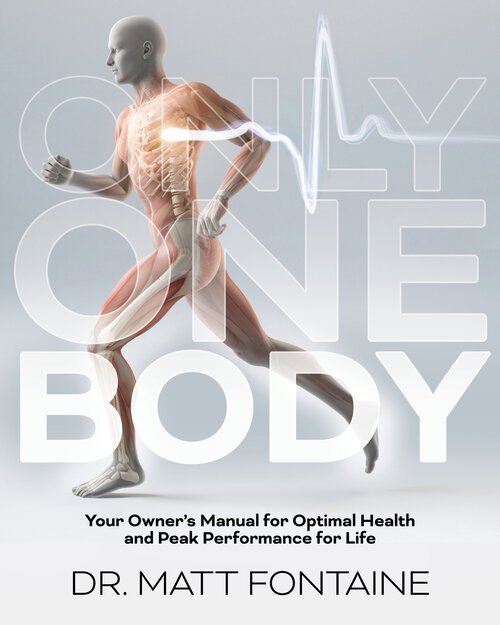
Dr. Matt Fontaine is a dedicated athlete and an experienced sports chiropractor with more than 24 years in the field. His integrative physical medicine practice focuses on accurate diagnoses, swift recovery, and optimum performance. He has provided chiropractic care for major league baseball and has worked with the ART Ironman Triathlon Medical team. Following his residency at the Texas Back Institute, he has spent over a decade supporting patients, including men and women from the U.S. armed forces, veterans, and various government agencies. His upcoming book, Only One Body (Adjusted Inkworks, August 19, 2025), delves into these principles. Discover more about Dr. Matt Fontaine at his website.


You May Also Like

Best Mosquito and Tick Control Options for Summer

Selecting the Right Functional Medicine Doctor for You