Choosing the Right Laser Treatment
Laser treatments have become increasingly sought after in both medical and cosmetic settings due to their ability to effectively address a range of skin issues, health conditions, and aesthetic goals. These cutting-edge technologies provide minimally invasive solutions for skin rejuvenation, hair removal, vision correction, and a variety of medical procedures, yielding precise outcomes.
Deciding to pursue a laser treatment is an important choice that demands thoughtful evaluation. It is essential to familiarize oneself with the various types of laser treatments, weigh their potential risks and benefits, and choose a qualified practitioner to ensure a safe and favorable result.
Types of Laser Treatments Explained
Laser treatments are commonly employed in dermatology, ophthalmology, and various other medical disciplines. Each treatment utilizes distinct technologies designed to cater to specific patient needs.
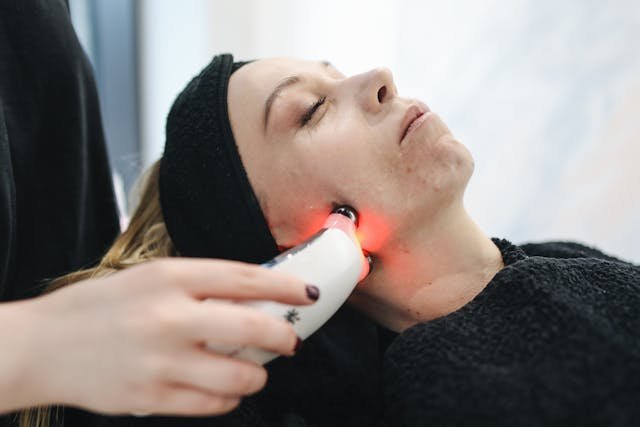
Cosmetic laser options prioritize enhancing skin quality, effectively tackling issues like acne scars, pigmentation irregularities, fine lines, wrinkles, and sun damage. Fractional lasers promote collagen synthesis, while ablative lasers rejuvenate the skin by eliminating damaged cells.
For those desiring a lasting solution for unwanted hair, laser hair removal is an excellent option. This method targets hair follicles with focused light energy, hindering future hair growth.
Beyond cosmetic applications, medical laser treatments have significant benefits. Procedures such as LASIK alter the cornea to enhance vision, removing the need for corrective eyewear. Additionally, lasers are employed to treat varicose veins, eliminate tumors, and accelerate tissue healing.
Selecting the right kind of laser treatment is contingent on personal objectives, skin type, and medical history. Consulting with an expert ensures that the chosen procedure aligns well with individual expectations.
Evaluating the Benefits and Risks of Laser Treatments
The advantages of laser treatments are plentiful, including their precision, reduced recovery time, and enduring results. Most laser procedures are either non-invasive or minimally invasive, which means they typically require little to no downtime.
In skin treatment contexts, laser technology enhances skin texture, tone, and overall appearance, offering significant improvements with minimal discomfort. In medical contexts, laser applications provide targeted interventions that can lead to faster recovery than traditional methodologies.
Nevertheless, all procedures have inherent risks. Common side effects may include temporary redness, swelling, or slight discomfort, while more severe complications, such as burns, pigment alterations, or scarring, can occur if treatments are not executed properly.
Opting for an experienced practitioner can mitigate these risks. Engaging in discussions about potential side effects with a professional can support a more informed decision-making process.
Selecting a Competent Provider
The efficacy of laser treatments hinges on the skills of the professional performing them. A qualified and licensed expert safeguards both safety and optimal results.
It is vital to investigate a provider’s qualifications, certifications, and experience. Board-certified dermatologists, plastic surgeons, and licensed medical personnel who specialize in laser technology possess the knowledge needed to evaluate individual treatment suitability.
Reviewing before-and-after galleries, patient testimonials, and clinic ratings provides valuable insight into a provider’s standing and track record. Arranging a consultation allows prospective patients to ask questions, gain a comprehensive understanding of the procedures, and assess the professionalism of the clinic.

Pre-Treatment Preparation
Thorough preparation is crucial for achieving the best results. Patients should adhere to the pre-procedure instructions provided by their specialists before undergoing any laser treatment.
For skin procedures, minimizing sun exposure and avoiding tanning beds helps decrease the likelihood of complications. Skin that is sunburned or tanned may react adversely to laser application.
Stopping the use of specific skincare products, such as retinoids, exfoliants, and acids, is essential to avoid skin irritation prior to the appointment. In some cases, patients may need to refrain from blood-thinning medications to reduce risks associated with bruising or bleeding.
During the consultation, being open about medical history, current medications, and lifestyle is vital to ensure a personalized approach to the treatment. Adhering to pre-treatment guidelines enhances safety and improves the effectiveness of the procedure.
Considering Minimally Invasive Options
Minimally invasive laser treatments utilize lower-intensity energy to carefully target specific areas while maintaining surrounding tissue integrity. These gentler procedures offer an excellent compromise between results and recovery time for those seeking effective treatment without extensive downtime. They are particularly beneficial for individuals looking to enhance skin texture, diminish fine lines, or address minor pigmentation challenges without prolonged healing periods. Moreover, they provide alternative solutions for pain management, muscle recovery, and scar treatment with less discomfort than traditional surgical options.
By choosing a minimally invasive approach, patients can attain their desired outcomes while reducing the risks and recovery times associated with more aggressive therapies. Consulting with an expert guarantees that the procedure aligns with individual aspirations and lifestyle requirements.
Ultimately, the decision to undergo laser treatment is a personal one that necessitates diligent research, careful planning, and expert guidance. A solid understanding of various laser treatments, careful evaluation of risks and advantages, and the choice of a qualified provider ensures a safe and effective experience.
With the appropriate strategy, laser treatments can yield transformative effects, be it for cosmetic enhancement, medical corrections, or overall wellness. Making a knowledgeable decision leads to improved self-confidence, better health, and lasting satisfaction with the chosen treatment.


You May Also Like

Wedding Guest Beauty and Style Guide
Dental Implants: The Complete Guide to Restoring Your Smile