Addressing Thinning Hair: Your Starting Point
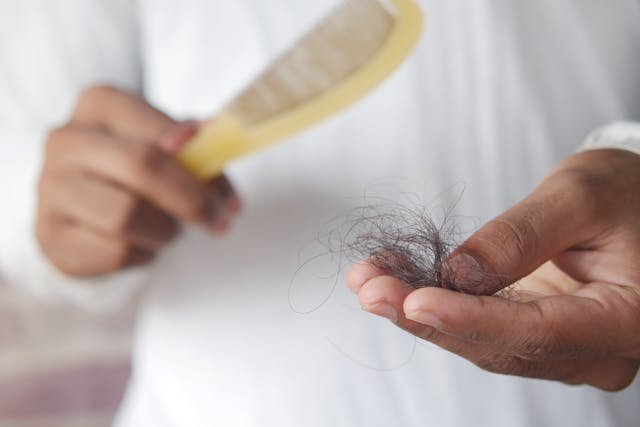
Noticing your hair thinning can be quite a shock. One moment, your locks appear robust and lush, and before you know it, your shower drain tells a different narrative. For some, this change can be traced back to genetics; for others, it may result from a combination of lifestyle choices, stressors, and environmental influences. Regardless of the cause, the sight of a receding hairline or a widening part can feel like a daunting challenge. The encouraging news? Thinning hair doesn’t have to dictate your appearance or self-esteem. Let’s delve into the reasons behind it and the first steps toward achieving thicker, healthier hair.
Understanding the Roots of Thinning Hair
To begin, let’s examine the motivations behind hair thinning. Genetics often take center stage, with hereditary conditions such as androgenetic alopecia being a primary factor. Yet, genes are not the sole offenders. Both mental and physical stress can disrupt the natural hair growth cycle, causing increased hair loss. Hormonal fluctuations stemming from pregnancy, menopause, or even changes in birth control can significantly impact hair health as well.
Your dietary habits also play a crucial role. If your meals are more convenient than nutritious, you could be neglecting essential vitamins and minerals that your hair desperately needs, such as iron, biotin, and zinc. Lacking these nutrients can make hair more susceptible to weakness and breakage. When paired with habits like excessive styling, heat exposure, and harsh chemical treatments, you create a perfect recipe for hair thinning.
Common Habits Harming Your Hair
It’s a harsh reality, but many of us treat our hair as if it can withstand anything. Everyday practices that damage hair, including daily heat styling, tight hairstyles, and neglecting proper scalp hygiene, often lead to more harm than we realize. Even the manner in which you wash and dry your hair can have significant effects. Using hot water, towel-drying aggressively, and selecting the wrong hair care products can invite breakage.
Your scalp is often neglected but is vital for healthy hair. Ignoring it—or excessively applying products—can result in clogged hair follicles and hinder hair growth. And let’s not forget the impact of stress. Chronic anxiety isn’t only detrimental to your mental health; it can also create havoc for your hair. Elevated cortisol levels may trigger more strands to enter the shedding phase, explaining why your hair may seem thinner after a stressful period.
Addressing the Problem from the Foundation
To effectively confront thinning hair, it’s essential to start with your scalp. Opting for a shampoo designed for thinning hair is an excellent initial step. The right product not only cleanses but also nourishes the scalp, reinforces hair follicles, and creates an optimal environment for growth. Seek out shampoos with effective ingredients that target thinning, such as keratin, biotin, or niacin. Avoid any formulations that strip away natural oils from your hair—it’s crucial to prevent a dry and irritated scalp.
Patience is vital in this process. Transitioning to a specialized shampoo won’t yield overnight results, but over time, you should observe improvements in both scalp health and hair appearance. Also, don’t neglect the benefits of a scalp massage. Spending a few extra minutes massaging while washing not only enhances the experience but also increases blood circulation to your follicles, providing them with needed care.
The Importance of Scalp Care
Your scalp serves as the foundation for your hair. If it isn’t healthy, your hair cannot thrive. Issues like oiliness, flakiness, or irritation can significantly hinder hair growth and exacerbate thinning. This is why scalp care is more than just a fad; it is essential for maintaining healthy hair.
Exfoliating your scalp may sound indulgent, but it is beneficial. Over time, dead skin cells, product buildup, and oils can obstruct hair follicles, slowing down growth and contributing to thinner hair. A quality scalp scrub or treatment can facilitate a healthier environment for hair. Additionally, hydration is essential. Just as your skin requires moisturizing, your scalp benefits from being nourished and well-hydrated. Oils like argan or jojoba can be advantageous when applied in moderation.
Nourishing Your Hair From Within
Your hair consists mainly of protein. So, if you are not getting enough protein from your diet, your hair may reflect that deficiency. However, protein alone isn’t sufficient. Iron plays a crucial role in delivering oxygen to hair follicles, while biotin fortifies keratin, the protein that builds your hair. Omega-3 fatty acids ensure scalp hydration, and zinc is vital for repair and growth.
Not into supplements? You can still supply your hair with the nutrients it craves from whole foods. Options like eggs, salmon, spinach, nuts, and seeds provide plentiful nourishment for your hair. For vegans or vegetarians, there are numerous plant-based sources available. Just be sure to maintain a balanced diet, as what benefits your body often positively impacts your hair as well.
Managing Stress for Healthier Hair
It may seem simplistic, but managing stress effectively can significantly influence your hair’s health. Chronic stress may lead your hair follicles to enter a dormant phase, halting growth and resulting in hair loss. If you suspect stress is contributing to your hair thinning, it’s essential to embrace self-care.
Practices such as meditation, regular physical activity, and taking consistent breaks during the day can lower cortisol levels and promote overall well-being. While alleviating stress may not instantly restore lost hair, it can prevent further thinning and establish a healthier environment for growth. Think of this as empowering your hair’s potential.
A Hopeful Future for Your Hair
The experience of thinning hair doesn’t signify the end of the world or your journey toward great hair days. By identifying and addressing the underlying causes, making slight adjustments to daily habits, and prioritizing scalp and hair health, you can pave the way for stronger, fuller hair. Consistency and genuine care are paramount, and while observing results may take time, the efforts you invest will be worthwhile.
Keep in mind that your hair is just one aspect of your identity, but it doesn’t define who you are. Treat it kindly but also recognize that true confidence stems from within and encompasses much more than mere appearances.


You May Also Like

Tote Bags: Essential Fashion Accessory for Every Season
Transform Your Smile with Teeth Straightening