The Impact of Medical Technology on Healthy Living
It might surprise you that the most effective remedy isn’t a medication, but rather a piece of technology. Indeed, a quiet transformation in healthcare technology is enabling individuals to take unprecedented control of their health. This article delves into how innovative gadgets, from smartwatches to home diagnostic tools, are shifting the focus of healthcare from a reactive to a more proactive and preventative approach.
The journey to improved health has traditionally involved reactive measures — seeing a doctor when unwell or receiving medication to address a symptom. However, the most significant change in contemporary wellness extends beyond new medications or trendy diets. It’s the transition towards proactive, preventative healthcare. A surge in medical technology is at the forefront of this change, offering immediate access to health information that empowers individuals to make informed choices about their well-being. With wearables and intelligent home devices, technology has evolved beyond emergencies; it is now an essential part of an everyday healthy lifestyle. Let’s explore this concept further.
The Connected Home for Wellness
Technology is pervasive today, infiltrating every aspect of our lives. We interact with it, observe it, and even wear it. Wearable technology has enhanced health monitoring significantly. Modern smart scales do more than measure weight; they can provide insights into muscle mass, bone density, and body fat percentage. Additionally, smart blood pressure monitors and thermometers can automatically transmit data to an app, creating an easily shareable health record for discussions with healthcare providers.
The emergence of these user-friendly health gadgets results from substantial innovations within the medical industry. The design and development of these sophisticated devices—from conception to marketing—are handled by specialized medical device development firms, such as HaA Product Development. These companies play an essential role in the health tech evolution by merging high-quality engineering with an extensive understanding of human health, producing products that are not only effective but also simple for the average consumer to use. Without their contributions, many groundbreaking technologies might still be collecting dust in laboratories.
The Wearable Tech Boom: Empowering Health Insights
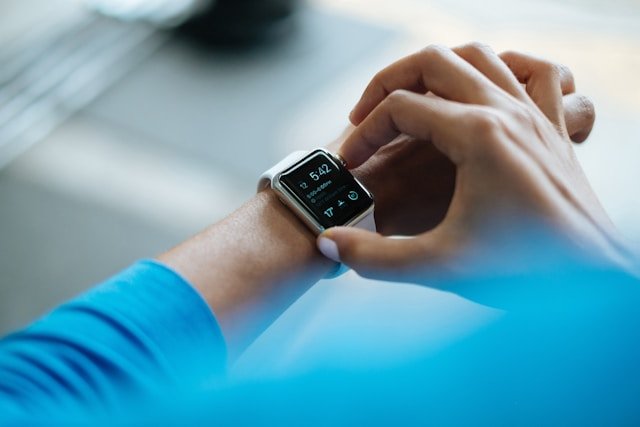
The rise of wearable technology represents the most noticeable change in health monitoring. Smartwatches and fitness trackers are now commonplace, and their functionality has far surpassed merely counting steps. Today’s devices serve as comprehensive health monitors, providing continuous data about bodily functions. For example, heart rate monitoring is now standard; many wearables track heart rates throughout the day, offering valuable insights into stress levels, recovery from exercise, and overall cardiovascular health. Some advanced models can even conduct on-demand electrocardiograms (ECGs), allowing users to detect potential health issues early.
Moreover, sleep tracking has become another area where wearables have made significant contributions. By monitoring sleep cycles and patterns, these devices can assess sleep quality and recommend improvements, such as maintaining a consistent sleeping schedule or reducing screen time before bed. This newfound self-awareness was unachievable for most people just a short while ago.
Remote Healthcare: Transitioning from Patient to Partner
The pandemic has ushered in substantial changes across various sectors, including medical technology, particularly altering the relationship between patients and healthcare professionals. These advancements allow healthcare providers to monitor patients’ health remotely, providing continuous care and reducing the necessity for in-person visits.
This is particularly beneficial for individuals managing chronic conditions such as diabetes or hypertension. Remote monitoring tools can keep track of blood sugar levels or blood pressure and automatically relay this information to healthcare providers, enabling immediate adjustments to treatment plans well before the next scheduled visit. This proactive method leads to improved health outcomes and grants patients a greater role in their care. Additionally, it makes accessing quality healthcare more feasible for those living in rural areas or those with mobility challenges.
The Future of Proactive Health Management
The current state of medical technology is merely the beginning of what’s to come. The next generation of innovations is already emerging, featuring items such as AI-driven tools and personalized medicine. Artificial intelligence is being leveraged to analyze vast amounts of health data from wearables and monitoring devices, offering tailored health insights and predictive alerts. By identifying patterns and potential risks that may go unnoticed by both the average person and healthcare professionals, AI empowers individuals to make healthier lifestyle choices. This is not about replacing doctors; it’s about equipping them with advanced tools to improve the quality of care they provide, fostering a future where health is an ongoing pursuit rather than a response to illness.


You May Also Like

Paternal Fish Oil Supplementation Enhances Offspring Metabolic Health in Mice

8 Research