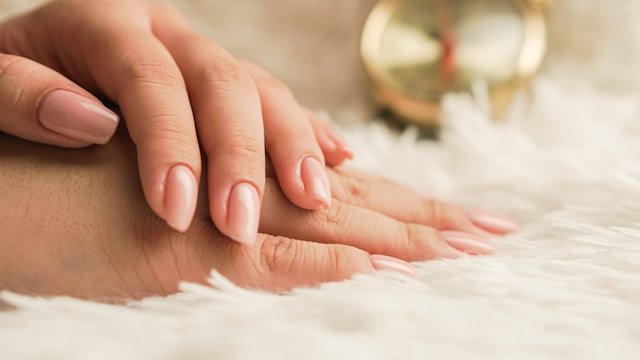
Nail Care: Essential for Healthy, Beautiful Hands and Feet
Nails contribute significantly to our appearance—both functionally and aesthetically. They safeguard our fingertips, facilitate daily tasks, and serve as indicators of our overall health. Despite this, they frequently don’t receive the attention they deserve in personal care routines. Well-maintained nails signify good hygiene and health. If you’re facing issues like brittleness, discoloration, or fungal concerns, proactive care is essential for maintaining their strength and vitality.
This article will discuss practical and straightforward methods to nurture your nails, avert common problems, and determine when professional intervention may be required.
The Importance of Nail Care
Nails can act as a reflection of your health similar to skin and hair. For example, if your nails are brittle, it could indicate deficiencies in certain vitamins or dehydration. Discoloration might suggest an underlying infection. While minor nail issues often appear trivial, neglecting them can allow complications to develop, potentially leading to pain or hindering everyday activities.
Key Nail Care Practices
1. Hydrate and Moisturise
Nails, much like your skin, require proper hydration. Dehydrated nails are more likely to split or break, heightening the risk of infections. Employ a hand cream or cuticle oil to ensure that both your nails and the surrounding skin remain moisturised.
2. Regular Trimming and Filing
Frequent trimming helps to avoid snagging and breakage. Utilize a sharp nail clipper and cut your nails straight across to reduce the chances of ingrown nails. A gentle file can smooth out any sharp edges to prevent splitting.
3. Nail Protection
If your daily tasks pose a risk to your nails, such as cleaning or handling chemicals, wearing gloves is advisable. This additional protection can help maintain your nails’ condition and prevent unnecessary damage.
4. Balanced Nutrition
The journey to strong nails begins with your diet. Incorporating foods that are rich in biotin, zinc, and omega-3 fatty acids can promote healthy nail growth. Consider adding items like eggs, nuts, and greens to your meals to enhance nail vitality.
Avoiding Fungal Nail Infections
Nail fungal infections are a prevalent issue, particularly affecting toenails. They thrive in warm, moist environments, making places like gyms, pools, and communal showers common sites for infection. Signs of fungal infections can include thickened, discolored, or brittle nails.
Risk Reduction Strategies:
- Ensure your feet are clean and dry, especially post-exercise.
- Change your socks daily and choose breathable footwear made from natural materials.
- Consider using antifungal sprays or powders in your shoes for added prevention.
- Avoid sharing nail care tools or footwear.
If you believe you have a fungal infection, seek prompt treatment. Many antifungal products are available to help resolve the issue before it escalates.
Dispelling Nail Care Misconceptions
With a plethora of advice available online, it’s easy to encounter nail care misconceptions. Let’s clarify a few common beliefs:
- Myth 1: Artificial nails permanently damage your natural nails.
While excessive use of gel or acrylic nails may weaken natural nails, proper application and removal by professionals can reduce harm. Allowing breaks between applications can give your nails time to recuperate. - Myth 2: You must cut your cuticles.
Cuticles serve as a defense against bacteria. Instead of cutting them, gently push them back using a soft tool and remember to moisturise them to keep them healthy. - Myth 3: Nails need to ‘breathe.’
Nails, composed of keratin, do not require oxygen. However, taking breaks from nail polish helps prevent pigment stains and dryness.
Dealing with Chronic Nail Issues
Despite good care practices, some nail problems may persist. Conditions like chronic brittleness, ongoing discoloration, or discomfort around the nail bed warrant professional attention. These signs can sometimes indicate more serious health conditions, such as diabetes or issues with circulation.
For stubborn fungal infections unresponsive to over-the-counter remedies, stronger antifungal treatments may be necessary. These medications are designed to tackle the infection’s source and restore nail health.
Routine Importance for Sustained Nail Health
Consistency in your self-care practices is vital. Incorporate nail care into your weekly activities, dedicating time for trimming, filing, and moisturising. Regular, small efforts significantly contribute to preventing issues and maintaining nail wellness.
If you enjoy nail polish, consider using a protective base coat to avoid staining. Steer clear of harsh acetone-based removers, as they may dry out your nails over time; instead, opt for gentler, acetone-free alternatives.
When to Consult a Professional
While many nail issues can be resolved with keen at-home care, some conditions may require professional help. Consider seeking assistance if:
- You experience persistent pain or swelling surrounding the nail bed.
- A nail appears thickened, crumbly, or emits an unpleasant odour (indicative of a possible fungal infection).
- You observe unusual streaks, spots, or discoloration that doesn’t fade over time.
In such cases, consulting a dermatologist or podiatrist is crucial to receive the appropriate treatment tailored to your condition. They may prescribe specialised antifungal treatments or alternative remedies to enhance your nail health.
Small Adjustments, Significant Benefits
Effective nail care does not necessarily necessitate expensive products or complicated routines. It revolves around being observant of your nails’ condition, making slight changes to your habits, and quickly addressing any issues that emerge. Whether transitioning to breathable shoes, opting for nutritious snacks, or applying a mild moisturiser at night, these small steps can lead to stronger and healthier nails.
By integrating nail care into your broader self-care practices, you’ll not only improve the appearance of your hands and feet, but you’ll also promote your overall well-being.


You May Also Like
Dental Implants: The Complete Guide to Restoring Your Smile

Wedding Guest Beauty and Style Guide