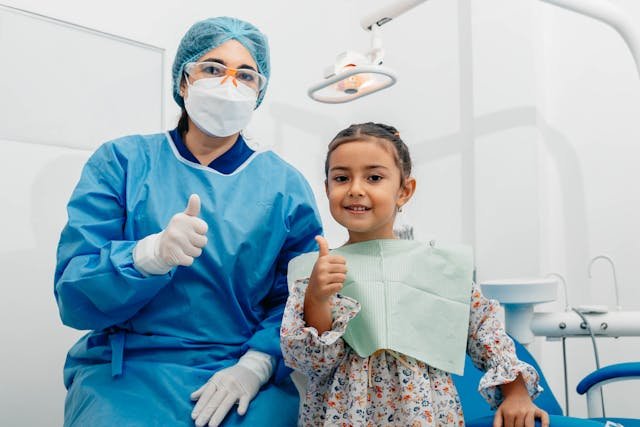
A Mothers Guide to Selecting the Right Family Dentist
As a mother, you understand that choosing the right dentist for your family goes beyond just ensuring good oral hygiene; it’s about fostering trust, comfort, and scheduling positive dental experiences that can have a lasting impact. When selecting a dentist, consider essential factors such as professional expertise, a wide range of dental treatments, cutting-edge technology, and a soothing environment in the clinic.
A Mother’s Guide to Selecting the Ideal Dentist for Your Family
Be it your child’s first tooth emergence or a search for a superior dental practice, ensure to select an experienced dentist in London for your family by adhering to the following suggestions.
1. Qualifications and Expertise
- Before scheduling an appointment, always check for General Dental Council (GDC) registration.
- For specific dental needs, consult specialists; for children, look for practices that feature pediatric dentists with the necessary qualifications in Paediatric Dentistry.
- For orthodontic concerns such as misaligned teeth, ensure that the dentist is a recognized Specialist Orthodontist who can provide expert solutions.
- For aesthetic enhancements, a cosmetic dentist is ideal, as they specialize in procedures like veneers and teeth whitening to enhance your smile.
2. Diverse Service Offerings
The best family dental practice should offer a range of services under one roof, catering to all family members, from children to adults, and addressing a variety of dental issues:
- Preventive care, such as fluoride treatments and sealants, protects teeth from decay, especially in children.
- Restorative services like white fillings and crowns strengthen and protect damaged teeth.
- Endodontic procedures, or root canal therapy, help restore the internal structure of damaged teeth.
- Early orthodontic assessments, ideally by age 7, can identify and address malocclusion issues early.
- Emergency dental services are crucial, including availability for after-hours emergencies.
3. Cutting-Edge Dental Technology
Modern dentistry employs advanced technology that enhances treatment outcomes and reduces invasiveness. As a mother, it’s important to look for practices equipped with state-of-the-art technology. A skilled dentist in London can effectively address dental concerns using tools like digital scanners, air abrasion for painless cavity removal, laser dentistry for gum treatments, and CAD-CAM technology for same-day crowns.
Digital Scanners
This technology provides accurate 3D imaging of teeth without the uncomfortable mess of traditional impressions. When considering a dentist, inquire whether they use digital scanners, as these are typically more comfortable for children and do not induce gagging, offer immediate results, and enhance precision for braces, crowns, and aligners.
Digital X-rays
Digital x-rays utilize sensors instead of traditional film, offering sharper images with 80% less radiation exposure—an essential factor for growing children. Immediate imaging and zoom functionalities also enable clear identification of dental issues during examinations.
Laser Dentistry
This innovative approach utilizes lasers for procedures like fillings and gum treatments, providing a less invasive alternative. This technique is especially beneficial for children due to its reduced bleeding, quicker healing times, and efficient cavity detection. Be sure to ask about the availability of laser treatments when selecting a family dentist.
Same-Day Crowns
The CAD-CAM method allows for the creation of custom crowns in just one visit, eliminating the need for temporary crowns and lengthy wait times. This technique is particularly suitable for both baby teeth and adult crowns.
Intraoral Cameras
This small camera captures high-definition images of the inside of the mouth, enabling better communication about treatment needs. Kids enjoy seeing their teeth on the screen, and these cameras help detect problems earlier.
4. Child-Focused Care
Choose a dentist who employs a child-friendly approach by assessing their competence in pediatric care, such as:
- Effective behavior management strategies (e.g., Tell-Show-Do, positive reinforcement)
- Equipment tailored for children (smaller mirrors, child-sized seating)
- Preventive strategies emphasizing diet advice and hygiene education
5. Environment Assessment
The atmosphere of the dental practice is crucial in addressing anxiety related to dental visits. During your first visit, pay attention to:
- Staff interactions with children
- Amenities in the waiting area (child-friendly artwork, toys)
- The overall atmosphere in the treatment rooms, including any available distraction techniques
6. Preventive Care Philosophy
As the guardian of your family’s health, prioritize dental practices that emphasize prevention through:
- Risk-based preventative strategies (assessments for cavity risks)
- Minimal intervention techniques
- Sealant programs for molars
- Fluoride varnish applications (3-4 times a year for children at higher risk)
7. Financial Considerations
- Comparison of NHS and private treatment options.
- Clarity in pricing; obtain written treatment plans to gauge expected costs.
- Insurance compatibility (check with your provider’s network) to alleviate financial strain.
8. Dental Clinic Location
- Proximity to your residence, parking availability, and access to public transport.
- Options for appointment scheduling (including early or late hours for working parents)
- Facilities for online bookings and appointment reminders
9. Emergency Preparedness
Ensure the dental clinic is equipped for emergencies and has after-hours dentists available to address urgent dental concerns.
- Affiliations with hospitals for managing complex cases
- Expertise in handling trauma or accidents
10. Ongoing Education
Ask about the professional development standards of the dental team:
- Hours dedicated annually to advanced training in dental practices.
- Memberships in reputable organizations (such as the British Society of Paediatric Dentistry)
11. Engagement of Parents
The most effective dental care involves parents in fostering good oral hygiene habits by:
- Educating parents on maintaining their children’s oral health
- Demonstrating proper home care techniques
- Providing guidance on growth monitoring (space analysis, eruption timelines)
Conclusion
By thoughtfully considering these aspects, mothers can establish a dental home that evolves along with their families, from the emergence of first teeth through teenage years. The right dental practice becomes a trusted ally in your children’s journey to oral health, ensuring they receive modern, precise, and comfortable dental care. Investing time in finding the ideal dental practice is vital to your family’s overall oral health and enhances their overall dental experience.


You May Also Like

Telehealth Enhances Healthcare for Seniors

Key Car Accident Injuries to Never Overlook