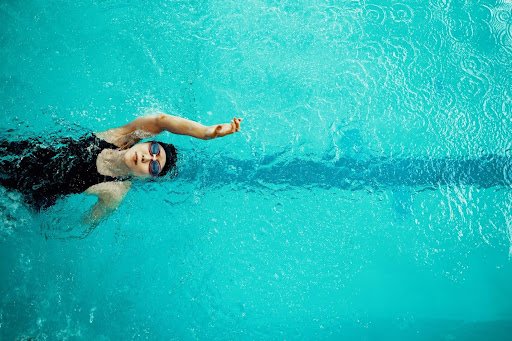
Hidden Dangers in Pool Water: What Lies Beneath Can Harm You
The allure of a clear and shimmering swimming pool can be misleading. Below that pristine surface, a host of microorganisms—including bacteria, viruses, and fungi—may lurk in sufficient numbers to pose serious health threats. These hidden dangers can lead to a variety of health issues, spanning from minor skin irritations to more severe gastrointestinal disorders, underscoring the importance of diligent pool maintenance for the safety of all swimmers.
Bacteria and Associated Health Risks
Bacteria represent one of the most prevalent and alarming pollutants in pool water. Notably, organisms such as Escherichia coli (E. coli) can find their way into pool water via human waste, whether through accidental discharges or inadequate hygiene practices prior to swimming. Even trace amounts can result in symptoms like stomach cramps, diarrhea, and vomiting. Another notable bacterium, Pseudomonas aeruginosa, is infamous for causing conditions such as “hot tub rash” and ear infections. While chlorination effectively manages bacterial levels, a drop in disinfectant concentrations can lead to rapid bacterial proliferation.
Viral Contamination and Its Implications
Viruses are another significant hazard that can spread through contaminated water. For instance, noroviruses are highly contagious and can induce acute gastroenteritis. Additionally, adenoviruses are linked to eye infections like conjunctivitis and respiratory ailments. These viruses can persist in improperly treated water, increasing the risk of transmission among swimmers. Unlike bacteria, viruses depend on a host for reproduction, but the pool environment can facilitate their spread effectively.
Fungal Proliferation in Pool Areas
Fungi find ideal conditions for growth in damp and warm environments, making poolside areas perfect for their proliferation. While the water may not always be the main source, swimmers can easily contract fungal infections such as athlete’s foot from shared wet surfaces. Additionally, poorly cared-for water can lead to mold development on pool infrastructure, which can aggravate respiratory issues for those who are sensitive.
Routes of Pathogen Introduction
Microorganisms can enter pool water through human interaction, contaminated gear, and environmental contributions such as rain runoff. Even pools that are meticulously maintained are vulnerable, as new contaminants are introduced with each swimmer. Factors such as sweat, sunscreen residue, saliva, and unintentional fecal matter all increase the microbial load in the water.
Safety Measures and Routine Monitoring
To curb the spread of harmful microorganisms, regular and precise water testing is crucial. Chlorine or bromine levels should be monitored frequently, and pH levels should ideally stay between 7.2 and 7.8 for disinfectants to function effectively. Filters need to be cleaned routinely, and pool circulation systems should operate sufficiently each day to ensure all water passes through the filtration process. Professional maintenance services, such as those offered at hotels, typically include regular inspections and enhanced treatment protocols that surpass conventional home pool upkeep.
Keeping Yourself and Others Safe
Swimmers can enhance their protection by showering before entering the pool, refraining from swimming when unwell, and wearing water shoes to minimize the risk of fungal infections. It’s important for parents to remind children to take bathroom breaks and to report any accidents to pool personnel promptly.
Ensuring safety while swimming involves much more than just clear water. Strong maintenance practices, proper chemical balance, and personal hygiene are the most effective strategies to fend off unseen dangers and promote a healthier swimming environment for all participants. For additional insights, please refer to the infographic below.


You May Also Like
What Is the Cost of a Quality Water Filtration System?

Exploring Weight Management Solutions in Australia