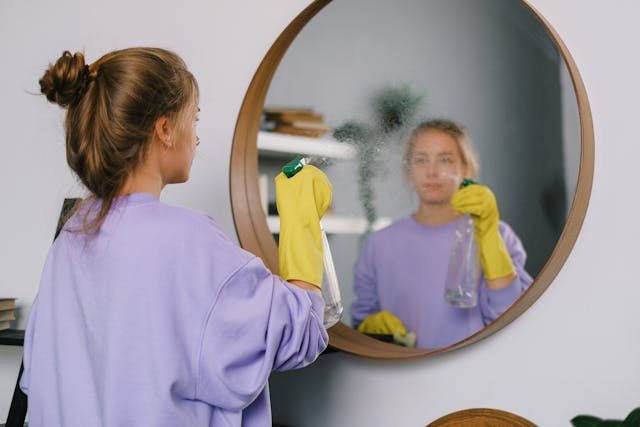
Essential Strategies for a Healthy, Clean Home
A genuinely clean home is not merely about aesthetics; it serves as a cornerstone for your family’s health and overall well-being. When your environment is well-kept, it transforms into a true refuge, protecting you from outdoor pollutants and fostering restorative sleep, alleviating daily stress, and defending against allergens and harmful bacteria. However, reaching this high standard of cleanliness requires more than occasional weekend cleaning sessions. It necessitates the right mindset, effective tools, and quality cleaning products that deliver results. From fundamental items like dependable mops and vacuums to selecting efficient floor cleaners, each choice plays a vital part in ensuring the hygiene your family deserves. This guide offers you proven, research-backed strategies for establishing a consistently clean, safe, and inviting home.
Grasping the Essentials of Home Hygiene
Most people overlook a critical fact: dirt, allergens, dust mites, and harmful microbes continuously infiltrate your home via air circulation, foot traffic, and everyday activities. These unseen invaders don’t just make surfaces appear dirty; they can incite respiratory issues, trigger skin irritations, and gradually deteriorate your immune system. Consistent cleaning transcends mere appearances; it’s an essential aspect of preventive healthcare for your household.
Efficient cleaning begins with the understanding that various areas in your home require different levels of attention. High-traffic regions such as kitchens, bathrooms, entryways, and frequently touched surfaces necessitate daily care due to their rapid accumulation of contaminants. In contrast, areas like guest rooms, storage spaces, and ceiling fixtures can be addressed less often without sacrificing overall cleanliness. This strategic focus saves you time and effort while ensuring your cleaning efforts are optimally directed.
Creating a Successful Cleaning Routine
The distinction between homes that always look tidy and those that seem in constant disarray often hinges on one factor: a consistent routine versus reactive cleaning. Rather than exhausting yourself with marathon cleaning sessions every few weeks, successful home care is about dividing tasks into manageable daily, weekly, and seasonal chunks. Daily responsibilities might include washing dishes and wiping counters, while weekly duties could cover bathroom sanitation and in-depth floor cleaning. Seasonal tasks such as washing windows and deep-cleaning carpets complete your thorough approach.
When deciding which tasks to prioritize, concentrate first on those that directly affect health and safety. Addressing mold before it spreads, removing food remnants that attract pests, and controlling dust accumulation in bedrooms should take precedence over purely aesthetic concerns like organizing closets or polishing decor.
Take the case of the Johnson family, who after implementing a straightforward rotating cleaning schedule, noticed a significant improvement in their children’s allergy symptoms within just six weeks. This change wasn’t a result of expensive air purifiers or medications; rather, it stemmed from consistent, focused cleaning that tackled the underlying sources of indoor allergens.
Key Tip: Rotate your deep-cleaning chores each month to maintain a continuously fresh environment without overwhelming your daily routine.
Choosing the Right Cleaning Products and Tools
Not all cleaning supplies are equally effective, and prioritizing safety is crucial over the allure of aggressive cleaning products. Avoid harsh chemicals that contain volatile organic compounds (VOCs), ammonia, or chlorine bleach. While these substances may promise quick fixes, they can deteriorate your indoor air quality and pose health risks. Instead, choose plant-derived, biodegradable alternatives that effectively eradicate germs while ensuring your home’s air remains safe for everyone.
Your selection of cleaning tools should cater to your household’s distinct needs and lifestyle. Traditional tools like microfiber cloths and good-quality mops are highly efficient in most scenarios, but households with pets may find robotic vacuums indispensable for managing shedding. Additionally, families with mobility challenges might benefit from steam cleaning systems, which minimize physical effort but deliver excellent cleaning results.
Environmental health experts have consistently noted that using the correct cleaning products on specific surfaces not only boosts effectiveness but also enhances the longevity of your materials. This aspect is particularly critical for flooring, where employing inappropriate products can cause irreversible damage or void warranties.
Tackling Common Cleaning Issues
We’ve all encountered difficult issues such as stubborn stains that resist every cleaning attempt and stubborn odors that return shortly after cleaning. The key to overcoming these challenges lies in understanding their science. Enzyme-based cleaners work by breaking down organic stains at the molecular level, while baking soda neutralizes odors instead of merely masking them with artificial scents.
Families with pets or small children often face unique challenges that require specific safety precautions. Using pet-safe cleaning products is essential in homes with furry companions, and securing chemical storage with child-proof locks prevents unfortunate accidents while upholding the cleanliness standards that your home demands.
The Martinez family dealt with lingering pet odors for an extended period until they discovered the benefits of enzyme-based products, paired with regular spot-cleaning routines. After just three weeks, their home changed from a source of embarrassment to one of welcoming comfort—demonstrating how the right methods can yield significant improvements.
Embracing Sustainable and Eco-Friendly Cleaning Practices
On a positive note, you don’t have to sacrifice cleaning efficiency to be eco-friendly. Concentrated cleaning solutions help significantly diminish packaging waste, often providing greater value for your investment. Moreover, simple DIY recipes using white vinegar, baking soda, and castile soap can tackle most cleaning issues without introducing harmful chemicals into your living space.
Practicing smart resource conservation benefits both your finances and the environment. Energy-efficient appliances, washing clothes in cold water when feasible, and investing in quality reusable microfiber cloths help reduce your environmental impact while also lowering expenses. These methods align seamlessly with suggestions from prominent environmental health organizations advocating for sustainable home upkeep.
Keeping Clean Between Deep Cleans
The secret to maintaining a consistently clean home lies in establishing simple daily habits that prevent dirt and grime from becoming entrenched. Quick actions such as wiping down kitchen counters immediately after food preparation, sweeping high-traffic areas before debris gets ground into surfaces, and attending to spills promptly can maintain a good level of cleanliness with minimal effort.
Even more effective are preventive strategies that intercept dirt at the source. Quality doormats placed inside and outside entrances, enforcing a shoes-off policy for family, and regular trash removal schedules can significantly minimize cleaning needs. These practices help manage contamination before it spreads throughout your home, optimizing your overall cleaning effectiveness.
Addressing Troubles and Finding Solutions
When cleaning efforts yield disappointing results, the issue is often not your cleaning technique but rather the inappropriate use of products or inconsistent application. Before trying any new product throughout your home, test it in a discreet area first, and always adhere to the manufacturer’s instructions while maintaining realistic expectations about the capabilities of any single product.
For particularly stubborn situations that resist your best cleaning efforts, don’t hesitate to consult professional cleaning services or expert resources. Sometimes, seeking an expert opinion can lead to solutions that save you time, money, and frustration while preserving your home’s surfaces.
Progressing with Assurance
Establishing and sustaining a healthy, clean home hinges on five fundamental components:
- Consistent routines
- Appropriate tools
- Safety-conscious choices
- Environmental responsibility
- Realistic expectations.
Instead of viewing house cleaning as a never-ending chore, reframe it as a continual investment in your family’s well-being and joy.
Start by evaluating your current cleaning practices honestly. Select one new strategy from this guide to implement and observe the outcomes over the following weeks. You might be surprised to find that small, consistent adjustments bring lasting positive changes that enhance both your home atmosphere and quality of life.

You May Also Like

Navigating Burnout in a Hustle

Revitalize Your Energy and Beauty: The Benefits of Modern Med Spa Treatments