Protein Powder: Benefits, Types, and Usage Guide
Protein powder has emerged as a vital supplement for individuals aiming to enhance their fitness objectives, such as increasing strength or boosting athletic performance. Rich in essential amino acids, these protein supplements contribute to quicker recovery after workouts, promote lean muscle development, assist in weight management, and offer a practical way to increase nutritional intake.
With a plethora of options available, selecting the right protein powder can be overwhelming, particularly when considering popular varieties such as whey, plant-based mixtures, and egg white protein. This detailed guide addresses all facets of protein supplements, including their ingredients, advantages, guidance for making the right choice, effective usage strategies, and optimal timing for doses to achieve the best results.
What Is Protein Powder?
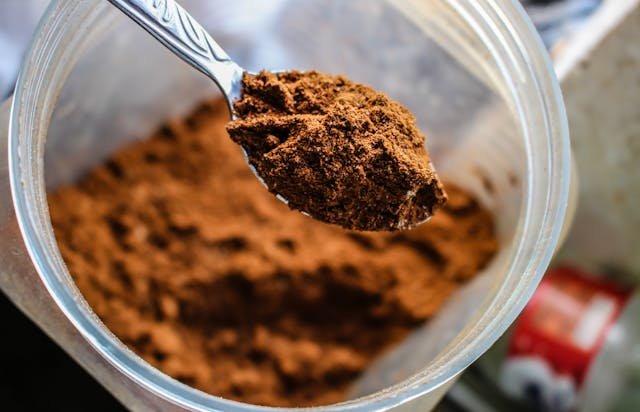
Protein powder is a concentrated form of protein sourced from either animal or plant foods, processed into a fine powder intended for mixing into drinks or adding to various foods. Common sources from which manufacturers derive protein supplements include:
- Milk – The basis for popular whey and casein powders
- Eggs – Specifically egg white protein isolates
- Plants – Such as pea, soy, rice, and hemp
Although whole food sources also provide protein, supplements offer it in much higher concentrations without added sugars, carbohydrates, or fats, making them a convenient option for fitness enthusiasts and athletes.
Understanding Protein Powder Ingredients
Beyond protein, many commercial powder mixes include extra components to enhance taste, texture, and stability:
- Sweeteners: Ingredients like sucralose, stevia, or monk fruit enhance flavor, helping the otherwise mild protein dissolve more easily. Sugar-free products utilize non-nutritive sweeteners.
- Thickeners: Gums such as xanthan and guar are added to improve the creaminess of shakes. They also help prevent separation between scoops.
- Artificial Flavors and Colors: These ingredients contribute a variety of flavors, such as chocolate and vanilla, making the powders more enjoyable for regular use. Artificial dyes create appealing visual effects.
- Fats and Carbohydrates: While protein is the primary focus, some formulas incorporate MCT oil powder, nut butters, or low-glycemic carbohydrates to enhance workout performance and recovery.
When evaluating protein products, consider the accompanying ingredients in relation to dietary preferences. Numerous natural, minimally processed options are also available.
Benefits of Protein Powder
The advantages of protein supplementation primarily benefit athletes, but they also contribute to overall health and wellness:
- Increased Muscle Growth and Repair: Protein supplies the necessary amino acids to enhance recovery, optimize workout results, and encourage the growth of stronger, larger muscles over time.
- Enhanced Recovery: It accelerates post-exercise recovery, enabling both amateur and professional athletes to train more intensively while reducing muscle soreness.
- Weight Management: Higher protein intake has been linked to reduced body fat percentages, as protein promotes feelings of fullness, helping individuals adhere to their diet and achieve sustainable weight loss.
- Improved Bone Health: Sufficient protein intake helps prevent the loss of bone minerals, especially in older adults, thus reducing the risk of osteoporosis and fractures.
- Boosted Immunity: Protein plays a critical role in the production of antibodies and enzymes essential for immune function. Deficiencies can lead to increased susceptibility to illnesses.

Types of Protein Powder
With such a wide selection available, choosing a protein can be daunting. Here’s an overview of common types:
- Whey Protein: This is the leading choice, derived from milk during cheese manufacturing. It contains all essential amino acids and is quickly absorbed, making it perfect for post-workout use.
- Casein Protein: Another dairy-derived option, casein digests more slowly, making it suitable for prolonged nourishment between meals and resulting in a lower insulin spike compared to whey.
- Soy Protein: Made from processed soybeans, it offers a rich amino acid profile comparable to animal proteins, along with fiber, vitamins, and minerals. Not recommended for those with soy allergies.
- Pea Protein: This vegan option comes from yellow split peas and has a solid amino acid profile, although it may be lower in some muscle-building compounds compared to whey. It’s an excellent choice for vegetarians and vegans.
- Rice Protein: A plant-based protein sourced from milled rice, it is hypoallergenic, though relatively low in lysine. It is often combined with pea protein to create a better amino acid balance.
- Hemp Protein: Produced by cold-pressing hemp seeds, this option is high in fiber, which supports digestive health, and also contains omega fats and essential vitamins.
Choosing the Right Protein Powder
Selecting a protein powder that suits individual needs requires careful evaluation of the following factors:
- Dietary Needs: If following a vegetarian or vegan diet, opt for plant-based proteins like pea or rice protein. Ensure that the protein is dairy-free if you are lactose intolerant and check for allergens.
- Fitness Goals: For recovery purposes, choose fast-digesting whey post-workout. Casein serves well between meals, and weight loss products often contain extra satiating amino acids. Identify the protein’s intended use.
- Taste Preference: Flavor plays a significant role in the enjoyment of daily use. Opt for neutral or desirable flavors rather than just focusing on nutritional content alone. Many natural options offer simple flavors like cocoa or vanilla.
- Budget: Prices can vary widely from economical options to high-end brands. The quality is influenced by factors such as purity, processing methods, and sourcing, so assess costs against the value offered.
- Third-party Testing: Certifications like Informed Choice can validate that supplement ingredients align with labeling while ensuring that they have been rigorously tested for contaminants.
- Sourcing & Processing: Many consumers today prefer minimally processed protein sources that are grass-fed and free from antibiotics. Check certifications accordingly.
How to Use Protein Powder
Protein powder provides an easy way to boost nutrition:
- Protein Shakes: Perhaps the simplest method for consumption is to blend protein powder into tasty shakes and drinks, allowing for creative combinations.
- Smoothies: Incorporate the powder into fruit smoothies and bowls for added nutrition while attaining a thicker consistency.
- Baked Goods: Enhance the nutritional profile of muffins, brownies, pancakes, and cookies by mixing protein powder into the batter or dough.
- Overnight Oats: For a heartier and protein-rich breakfast, add protein powder to oats and liquids along with your choice of fruits and nuts before refrigerating overnight.
- Protein Bars: Create personalized protein bars and bites by blending powder with nut butter, oats, seeds, or puffed grains and then chilling the mixture.
- Frozen Desserts: Add protein powder to ice cream or yogurt pops for a nutritional boost while retaining a creamy texture.
- Savory Dishes: Incorporate unflavored collagen peptides into soups, stews, or sauces near the end of cooking, or use rice or pea protein as extenders in burger mixes.

Making the Most of Your Supplement
Follow these best practices to maximize your protein powder’s benefits:
- Timing Matters: Consume whey protein within 60 minutes after workouts to take advantage of the critical muscle-building period essential for recovery and strength. Casein works well as a nighttime option.
- Vary Sources: Mixing different protein types—such as whey, collagen, and plant-based proteins—can provide a balanced amino acid profile and support optimal muscle growth at various absorption rates.
- Read Serving Suggestions: Scoop sizes and dosage recommendations may differ across brands and types. Adhere to suggested guidelines based on your fitness needs to track progress without wasting product.
- Store Properly: Keep containers tightly closed and away from humidity and heat to avoid clumping and nutrient degradation that could compromise quality.
- Mix and Consume Quickly: Blend powder with liquids in short bursts of 10-15 seconds to avoid overmixing, which can damage delicate proteins. Enjoy your shakes promptly after preparation for the best taste and texture.
Conclusion
Obtaining sufficient protein in our daily diets has become increasingly difficult amidst busy lifestyles. Protein powder serves as a practical solution, making it easy to incorporate this vital macronutrient into shakes, meals, or as standalone snacks. While the market appears saturated with numerous formulations, focus on products that fit your dietary preferences, fitness objectives, taste preferences, and budget, thus ensuring exceptional nutrition without sacrificing enjoyment. Ultimately, experimenting with different protein sources and methods of preparation can help create delightful supplements while promoting desired results.


You May Also Like

Boost Performance with Hydration Supplements

Top Running Apps for Beginners: 2024 Guide