A Mini
Juggling strict deadlines and tackling a barrage of emails can be exhausting. Urban environments, such as offices and apartments, can sometimes feel suffocating, creating a strong urge to break free. A few years ago, I experienced a longing for a getaway—a desire to escape to any destination—yet I couldn’t spare a day, not even a few hours. To combat my fatigue and sense of confinement, I began to indulge in one- to two-hour mini-escapes to Central Park, conveniently located just ten minutes from my home. These brief retreats left me refreshed and energized, ready to tackle the next challenge.
Here’s a quick guide to a mini tour of the park. Within an hour, you can explore natural landscapes, ascend to a charming castle perched on a rocky rise, and unwind by gently flowing waters. Let’s dive in.
The Ramble

Begin your journey by heading southeast from the intersection of 77th Street and Central Park West, then make your way north along West Drive until you arrive at Balcony Bridge. This bridge features two alcoves that overlook the Lake, often tempting me to serenade the couples paddling in rowboats below. A brief stroll northeast past the London plane trees will lead you to the charming Oak Bridge. Cross it, and you’ll find yourself in the Ramble, the park’s most densely wooded area. Here, black cherry and Chinese scholar trees filter the sunlight, creating a serene ambiance.
Upon my first visit to the Ramble, I was taken aback by the abundance of greenery nestled in the heart of Manhattan, one of the world’s most populated urban centers. It feels as though you’ve been transported to a tranquil upstate locale. Wandering through its winding paths, where the foliage shields you from bright sunlight, it’s easy to lose your sense of direction amidst the intrigue and surprises of the landscape.
I recommend embracing the sensation of being lost and immersing yourself in the experience. The Ramble is an ideal spot to engage in Japanese “forest-bathing” (shinrin-yoku). Attune your senses to the environment: listen to the melodic calls of whippoorwills, appreciate the sweet honeysuckle scent of black locust trees, and observe the intriguing outcrops of Manhattan bedrock that peek through the soil. The underbrush offers its own delights—clematis, hyssop, sage, and buttonbush abound. New Yorkers are fortunate to have such a vivid representation of wilderness amid their bustling city life.
Belvedere Castle

Check your bearings and navigate northward, crossing the bridge over the 79th Street Transverse Road. As you stroll past lilacs and wisteria, ascend Vista Rock until you reach the majestic Belvedere Castle. The structure’s design has a whimsical charm reminiscent of both Disneyland and romantic medieval architecture. Constructed from local schist, its walls appear to rise organically from the rock beneath them. Twin turrets rise proudly to meet the neighboring skyscrapers, and this enchanting bastion offers a touch of romance to your adventure.
From its observation deck, you can gaze out across the northward expanse. The name “Belvedere,” meaning “beautiful view,” is well-deserved as it allows for sweeping vistas of the Pond, the Great Lawn, and the expansive Reservoir, not to mention the Harlem skyline beyond. When I seek to appreciate the entirety of the park, this is my preferred vantage point.
Turtle Pond

To reach Turtle Pond, descend from Vista Rock on the northwest path, passing between elegant cherry and yew trees. Next, turn northeast past the recently updated Delacorte Theatre where you’ll discover a charming wooden dock extending over the waters of Turtle Pond, nestled amid the lush greenery of willow oaks and white cypresses. Stand at the end of the dock and take in the multitude of green tones surrounding the water.
At first glance, you might spot only reeds and nitella blooms, but then—there they are! Painted and snapping turtles, as well as red-eared sliders. Some leisurely surface for air, while others bask on the stones or embark on a slow pursuit of dragonflies. Many of these turtles were once pets—cherished by children who eventually had to return them to the wild. After a thoughtful farewell ritual on the bank, they are released with a soft Kersplash! It’s quite soothing to observe these calm creatures, living devoid of time constraints, emails, and obligations. Their leisurely pace is a reminder to slow down, and the serenity of the water adds to the restorative atmosphere.
The Obelisk

For an off-the-beaten-path experience, head northeast through the park to traverse the lawn and pass by elms and lindens until you arrive at a cluster of magnolia trees adorned with white, pink, and purple blossoms. They may be humble in size, but they cannot overshadow the grand Obelisk, also known as “Cleopatra’s Needle,” which towers seventy feet above. This magnificent Egyptian artifact has stood for over three thousand years, inscribed with hieroglyphics that exalt the pharaoh Ramses the Great with titles like “Ra’s Chosen One” and “Giver of Life.” His legacy, too immense for mere papyrus, is immortalized in stone.
We are fortunate to have this piece of history. In 1877, Isma’il Pasha, the ruler of Egypt, gifted it to the United States, with the railroad tycoon William H. Vanderbilt financing its transport from Alexandria to its current home in Central Park. Each visit to the Obelisk prompts me to reflect on the fleeting nature of human accomplishment. Ramses once presided over a colossal empire long since dissolved, while the inscriptions detailing his triumphs now endure, bearing witness to a world busy with picnics, joggers, and Canadian geese. Success is transient, but the richness of our surroundings—the sights, sounds, scents, tastes, and textures—endures.
This overview merely scratches the surface of the vast experiences that Central Park has to offer. The next time work and life’s responsibilities threaten to overwhelm you, take out a map of the park, select a few attractions, and venture off the beaten path for an hour. The serenity and abundance of the park will rejuvenate you, returning you to your desk invigorated.
Author Bio
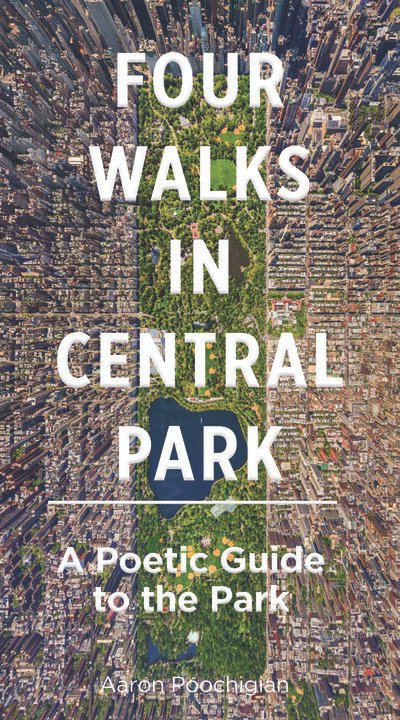
 Aaron Poochigian is an accomplished poet, classics scholar, and translator residing in New York City. His translations includeStung with Love (Penguin UK) and an upcoming edition of Marcus Aurelius’ “Meditations” from W.W. Norton. His writings have been featured in reputable publications such asThe Financial Times, The New York Review of Books, andPoetry Magazine. His latest work is titled Four Walks in Central Park: A Poetic Guide to the Park. Discover more about him at aaronpoochigian.com.


You May Also Like

Reclaim Your Balance

Why Are Hemp Products Becoming Popular for Natural Stress and Anxiety Relief?