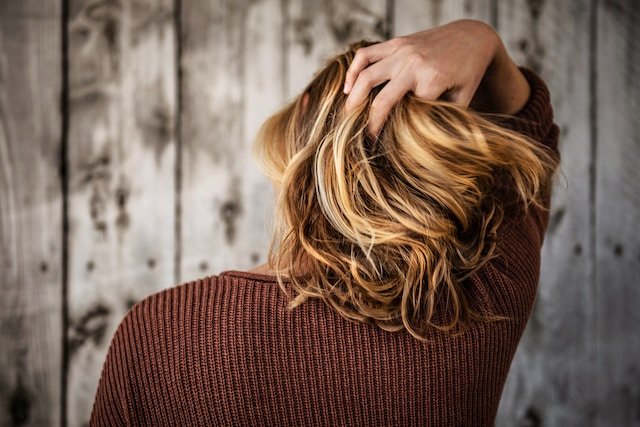
Does Diet Influence Hair Growth? The Connection Between Nutrition and Hair Loss!
Beautiful hair is not merely a matter of aesthetics; it often reflects our internal wellbeing. Experiencing good hair days can enhance our confidence and shape how others perceive us. On the other hand, problems such as slow hair growth or hair loss can lead to anxiety and impact self-esteem. As you ponder strategies to prevent hair loss, you may question whether your diet has any effect on your hair. Does what you consume really influence hair growth and loss? Let’s take a closer look.
The Basics of Hair Growth
First, we should understand the hair growth process. It consists of three primary phases: anagen, catagen, and telogen. The anagen phase is the active growth stage, followed by catagen, a transitional phase where growth slows. Finally, in telogen, hair rests before shedding, making way for new growth. Various factors can disrupt this cycle, complicating efforts to prevent hair loss.
Your genetic makeup plays a significant role in determining whether your hair is thick and luxurious or fine and thinning. Age is another factor that can decelerate the growth cycle, while hormonal changes can completely disturb it. With all these influences, you may wonder if nutrition could also play a pivotal role in sustaining hair health.
Nutrients that Support Hair Health
A nutritious diet is crucial for maintaining healthy hair. Believe it or not, foods like leafy greens and protein-rich legumes could serve as your starting point in reversing hair loss. So, what should you include in your meals? Let’s break it down.
- Proteins – Consider proteins as the essential building blocks of hair.
- Vitamins – These multifunctional substances aid in promoting growth and minimizing hair loss.
- Minerals – They act as the scalp’s guardians, ensuring balance and strength.
- Omega-3 Fatty Acids – Their anti-inflammatory properties may help stimulate new hair growth.
A well-rounded diet that is rich in these vital nutrients could be your hidden advantage against hair loss. Though results might not be immediate, it stands as a sustainable approach to providing your hair with the nourishment it needs. Here’s how to tackle hair loss knowingly!
The Importance of Protein on Hair
Protein is critical for hair health, more than just a trending buzzword – it is foundational. Hair is predominantly made up of keratin, which is a type of protein. A lack of adequate protein in your diet can lead to weak, brittle hair and may hinder the growth phase altogether. That’s where amino acids come into play; being the fundamental components of proteins, they significantly influence your hair’s structure and robustness.
If you’re curious about how to get these vital protein benefits, focus on diverse food sources such as eggs, fish, quality meats, and plant-based options like lentils, chickpeas, and quinoa. These nutritional powerhouses not only bolster your overall health but also supply your hair with the essential materials needed for strong and swift growth.
Vitamins and Minerals: Supporting Your Hair
Think of vitamins and minerals as your hair’s internal support team. For instance, Vitamin A is crucial for promoting hair growth through its role in sebum production, which keeps your scalp moisturized. If you’ve ever struggled with an itchy, dry scalp, you can appreciate the importance of this vitamin.
Additionally, B Vitamins boost blood flow to the scalp, nourishing hair follicles effectively. Don’t overlook Vitamin D; although often associated with bone health, it also plays a role in regulating hair follicle cycles, which can be significant in combating hair loss.
Iron and zinc are essential supporters of scalp health—helping to prevent hair loss and maintain a healthy environment for hair development. A deficiency in these vitamins and minerals can have detrimental effects on your hair’s health. Reinforcing your diet with them, either through food or supplements, could be crucial for achieving vibrant and resilient hair.
The Role of Antioxidants and Omega-3 Fatty Acids
You may recognize antioxidants primarily for their anti-aging properties or their role in immune support. However, they are exceptionally beneficial for hair health as well. Foods rich in antioxidants, like berries, nuts, and green tea, combat oxidative stress and inflammation.
This is critical because oxidative stress can damage hair follicles, contributing to hair loss. Omega-3 fatty acids also deserve attention; known for their potent anti-inflammatory effects, they combat inflammation, a subtle yet harmful factor in hair loss.
Incorporating more antioxidant-rich and omega-3-rich foods into your meals can help foster a healthier scalp, providing an optimal environment for new hair to flourish. So, if you’re dealing with hair loss, consider adding these nutrients to your diet as a potential solution.
Hydration: A Key to Hair Health
Often overlooked, hydration is essential for the wellbeing of our hair. It’s not only necessary for quenching thirst but also for optimal cellular function, including those that sustain hair growth and a healthy scalp. Insufficient fluid intake can lead to dryness and flakiness in the scalp, causing healthy hair to become brittle and dull. Therefore, when deliberating over whether diet influences hair growth, do not underestimate the importance of water.
If your hair feels dry and lacks shine, increasing your water consumption should be a priority. Staying well-hydrated reflects positively on your hair’s luster and elasticity. Even the finest hair products can’t compensate for inadequate hydration. So, keep that water bottle close and make hydration a priority—it may be the missing piece of your hair care routine. If you’re looking for an extra boost, consider trying dermatologist-recommended shampoos designed for hair loss!
Hair Loss and Poor Diet
While processed foods, sugary treats, and unhealthy fats may tantalize your palate, they can adversely affect your hair health in the long run. Such foods often lack essential nutrients, leading to deficiencies that may hinder hair growth and contribute to hair loss. Excessive sugar, for example, is known to cause inflammation, which can be harmful to maintaining beautiful hair. Thus, when considering what promotes hair growth, remember that avoiding certain foods can be just as crucial.
Effective Tips for Enhancing Hair Growth through Diet
Looking for a quick yet nutritious fix? Start your day with a green juice that’s loaded with important nutrients and simple to include in your daily routine.
- Increase Protein Intake – Choose lean meats, fish, and plant-based proteins such as lentils.
- Include Greens – Leafy vegetables are rich in iron and other necessities.
- Choose Healthy Snacks – Nuts and seeds provide beneficial fats and are antioxidant-rich.
By adopting a balanced diet, you can unlock the secret to maintaining healthy, vibrant hair. Small changes can yield significant results, so start implementing these strategies today. Now that you’re aware of what supports your body and hair growth, avoid repeating past dietary errors!
Conclusion: The Link between Diet and Hair Growth
What insights have we gained regarding diet’s role in hair growth? It’s clear that your food choices can significantly impact the vitality and appearance of your tresses. From essential proteins that form the foundation of hair to the vitamins and minerals that support and foster growth and health, along with proper hydration, each nutrient plays a role in achieving fuller and stronger hair. Although the allure of quick fixes may be tempting, a balanced diet offers the most effective and sustainable method for promoting healthy hair. Be mindful of your choices; indeed, your hair is a reflection of your diet!


You May Also Like

Is Your Iced Coffee Dehydrating You Daily?
The Complete Guide to Hiring a Private Chef for Your Event