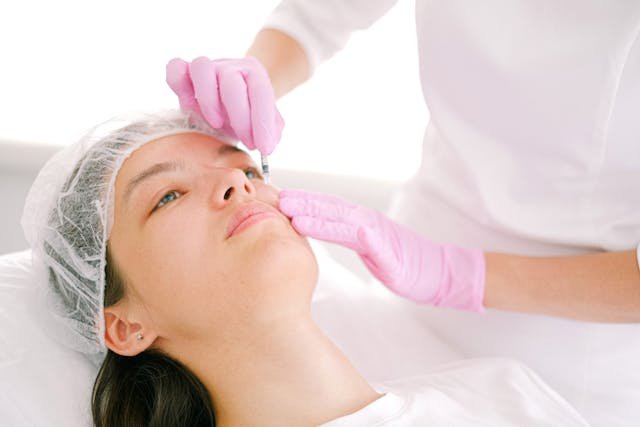
The Psychology of Botox: Confidence and Life Transformation
When discussing Botox, the common association is with smoother skin and diminished wrinkles. However, a much deeper narrative lies beneath the surface, revolving around the profound link between appearance and emotional wellbeing. The effects of Botox extend well beyond mere looks, fostering enhanced self-esteem and better mental health that can fundamentally change lives.
Understanding the Mind-Body Connection in Aesthetic Treatments
Extensive research has been conducted globally on the connection between a person’s physical appearance and their mental health. Findings consistently indicate that a boost in self-perception can lead to significant improvements in self-esteem, social confidence, and overall life satisfaction.
Research highlighted in medical literature suggests that cosmetic procedures offer notable psychological advantages. A thorough study found that individuals who received aesthetic treatments reported increased self-worth, diminished feelings of distress and shyness, as well as enhanced quality of life. These results imply that the advantages of treatments like Botox reach beyond cosmetic enhancement.
Exploring the Science of Botox and Emotional Health
A particularly intriguing element of Botox treatment is what researchers term the “facial feedback hypothesis.” This idea posits that our facial expressions do not simply mirror our emotions; instead, they actively shape them.
For instance, when we frown, our brain gets signals from the tense muscles, potentially heightening negative feelings. Botox alleviates this tension by temporarily relaxing the muscles, especially in the forehead and between the brows. This can disrupt the cycle of negative emotional feedback, consequently promoting a better mood and alleviating anxiety.
Recent data analyzed by the University of California San Diego, involving nearly 40,000 Botox patients, yielded remarkable findings: those treated with Botox experienced a 22 to 72 percent reduction in anxiety when compared to those who opted for other interventions. This effect was evident regardless of the injection locations, suggesting that the advantages are not solely due to a younger appearance.
Fostering Confidence Through Improved Self-Image
The uplift in confidence felt by many post-Botox treatment has a ripple effect across various facets of their lives. When individuals feel more at ease with their looks, they often become more socially active, seize new opportunities, and present themselves with greater poise.
This shift is particularly relevant for individuals in competitive environments, such as Miami’s professional landscape. Many report feeling more self-assured during presentations, networking sessions, and key meetings following their treatment. The emotional boost from appearing refreshed and rejuvenated can yield significant advantages in personal and professional interactions.
Psychological Perspectives on Aging
The journey of aging presents notable psychological hurdles for numerous individuals. The emergence of fine lines or changes in expressions can evoke anxiety relating to aging or concerns about external perceptions.
Botox provides a proactive means of tackling these anxieties. By smoothing out dynamic wrinkles and preventing the formation of new ones, patients frequently feel more in command of their aging journey. This empowerment is crucial for sustaining confidence as one navigates through various life stages.

Social Advantages of Increased Confidence
Confidence profoundly enhances social interactions. When people feel positive about their appearance, they are more likely to make eye contact, smile earnestly, and engage more genuinely with others. These behavioral shifts can cultivate favorable feedback loops in social situations.
Patients often report becoming more inclined to participate in previously avoided activities, ranging from beach outings in South Florida to professional photoshoots and gatherings where photos may be taken. This rise in social participation can vastly improve quality of life and emotional health.
Potential Mental Health Benefits Beyond Cosmetic Effects
Emerging research is investigating Botox’s therapeutic potential for mental health issues. Studies have indicated that Botox may alleviate symptoms of depression and anxiety, even among individuals not predominantly seeking cosmetic enhancements.
In one study, patients living with depression who received Botox reported significant mood boosts lasting for months post-treatment. The effects were so significant that some researchers are exploring Botox as an adjunct treatment for certain mental health disorders.
These findings imply that the psychological impacts of Botox may function through various mechanisms, both by enhancing self-perception and by directly influencing neurological processes associated with mood regulation.
The Value of Realistic Expectations
While Botox can yield substantial psychological benefits, favorable outcomes hinge on maintaining realistic expectations and collaborating with qualified professionals. Providers recognized as the best in Miami appreciate that optimal results come from subtle, natural enhancements rather than drastic changes to one’s facial appearance.
Patients who see the most gratifying psychological gains are usually those who embrace Botox as a facet of their overall wellness strategy instead of a cure for deeper self-esteem challenges. When integrated with healthy lifestyle choices and self-care routines, Botox can be a valuable instrument for reinforcing confidence and mental wellness.
Enduring Psychological Effects
The self-assuredness derived from Botox is often sustained beyond its physical effects. Numerous patients report that the initial boost in self-image leads to more positive thought patterns and behaviors, remaining in effect long after the treatment’s impact lessens.
This psychological shift is particularly beneficial for those who have grappled with appearance-related anxiety or self-consciousness. By experiencing the sensation of confidence and comfort within their own skin, patients often find it easier to retain that mindset between treatments.

Initiating Positive Changes in Life
The psychological shift accompanying Botox treatments frequently serves as a catalyst for other constructive changes in patients’ lives. Increased confidence can inspire individuals to explore new career paths, enhance their fitness regimens, revamp their wardrobes, or engage in broader personal development initiatives.
This holistic perspective on self-improvement underscores the interconnectedness of physical appearance, mental health, and overall life satisfaction. Progress in one domain often paves the way for positive developments in others.
Impact on Personal and Professional Connections
The increase in self-assurance stemming from Botox can significantly influence both professional and private relationships. In workplace scenarios, heightened self-confidence might lead to better communication, a greater willingness to assume leadership roles, and enhanced performance during high-stakes situations.
In personal contexts, this confidence often translates into more genuine interactions and greater comfort in both social and intimate settings. Many individuals note feeling more engaged and present in their relationships as they let go of concerns related to their appearance.
The Role of Self-Care in Mental Health
Deciding to invest in Botox treatments represents a significant act of self-care, communicating to oneself and to others the importance of personal wellbeing. This psychological gain should not be overlooked; taking deliberate steps to address worries about aging or appearance fosters a sense of personal agency and self-worth.
Integrating regular Botox treatments into a broader self-care regimen that includes exercise, nutritious eating, stress management, and other wellness strategies can amplify the psychological benefits, extending beyond the treatment itself to encompass a comprehensive approach to personal health.
The psychology surrounding Botox reveals a nuanced yet compelling relationship between physical aesthetics and mental health. While the immediate visible benefits may include smoother skin and reduced wrinkles, the psychological transformations experienced by many patients can be equally profound. From increased self-confidence to better social interactions and potential mental health improvements, Botox presents a unique blend of aesthetic and psychological enhancements.
Recognizing these psychological aspects clarifies why Botox has become such a sought-after option for individuals not only looking to enhance their appearance but also their emotional wellness. When administered by skilled professionals with realistic goals and effective aftercare, Botox can be an essential component of supporting both physical attractiveness and mental health.
For many, choosing Botox is more than a mere cosmetic decision; it signifies an investment in their self-image, confidence, and overall life quality. The resulting psychological benefits can instigate lasting positive transformations that go far beyond the scope of the treatment, ultimately leading to a richer and more confident life.


You May Also Like

7 Effective Tips to Safeguard Your Head and Home from Hail

Therapists Guide to Staying Connected During the Holidays