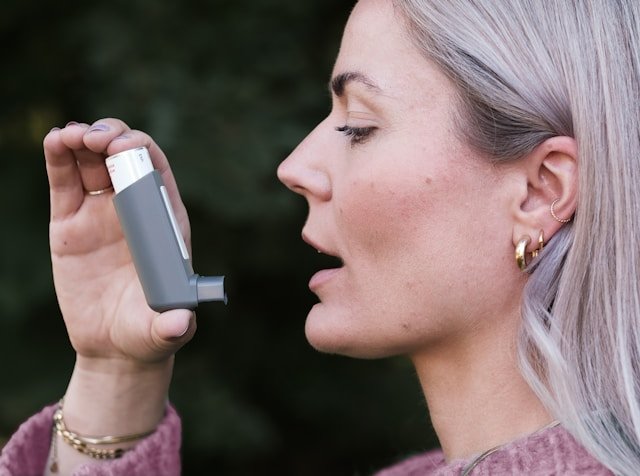
5 Breathing Techniques for Asthma Relief This Spring
With the arrival of spring, vibrant flowers and flourishing greenery can also bring unwanted allergens like pollen and mold, along with changes in temperature. For individuals with asthma, the joy of the season can be overshadowed by discomfort, often feeling as if a heavy weight rests on their chest. Here are five drug-free strategies to enhance your breathing during this time.
What is Asthma?
Asthma is a long-term respiratory disorder characterized by inflammation in the lungs and air passages. In the United States alone, more than 24 million individuals suffer from this condition. Common symptoms include difficulty breathing, chest tightness, wheezing, and persistent coughing. Various triggers can worsen asthma, including certain foods, allergies, respiratory infections, side effects from medications, air pollution, physical exertion, and emotional stress.
Although there is currently no cure for asthma, developing a management plan with strategies like breathing exercises can help prevent exacerbations.
1. Pursed-Lip Breathing Technique
This technique is particularly beneficial for alleviating shortness of breath, as it maximizes airflow, facilitating easier and more comfortable breathing.
Steps to Practice
Begin by relaxing your body. Inhale gently through your nose for a count of two seconds, keeping your mouth closed — these should be natural breaths. Then, purse your lips as if preparing to whistle and exhale through your mouth for four seconds. Make sure your exhalations are longer than your inhalations.
2. Diaphragmatic Breathing Exercise
Strengthening your diaphragm can lead to significant enhancements in your breathing capability.
Steps to Practice
- Find a comfortable sitting or lying position.
- Place one hand on your chest and the other on your abdomen.
- Inhale through your nose, focusing on raising your belly.
- Exhale through your mouth using the pursed-lip technique.
3. Buteyko Breathing Method
Asthma attacks can often be triggered by stress and anxiety, leading to hyperventilation. During his practice in Moscow, Dr. Konstantin Buteyko explored the relationship between breathing patterns and overall health. His method emphasizes controlled breathing to manage anxiety and lessen asthma symptoms. By concentrating on your breath, you can lower the chances of triggering an asthma episode.
Steps to Practice
While seated upright on the floor, take a few regular breaths while relaxing. Exhale and pinch your nose, holding it until you feel the urge to breathe again, then inhale. Maintain a normal breathing pattern for 10 seconds before repeating the exercise. This technique aims to strengthen your diaphragm.
4. Papworth Breathing Technique
Research shows that over 65% of children experience allergies, which can significantly increase the likelihood of developing asthma. Shortness of breath can be particularly alarming for young ones, making early detection and management essential. The Papworth method merges breathing practices with relaxation strategies to mitigate triggers.
Steps to Practice
Inhale deeply through your nose, allowing the breath to fill your lungs. Exhale through pursed lips or a gently opened mouth. Lastly, synchronize your breathing with moments of relaxation and gentle movements.
5. Box Breathing Technique
Also referred to as square breathing, this technique utilizes deep breaths to help regulate your breathing rhythm.
Steps to Practice
Start with deep breaths, placing your hand on your abdomen to feel it rise, which indicates proper technique. After about a minute of normal breathing, initiate the box breathing exercise: inhale for a slow count of four, hold your breath for another four counts, and then exhale through your mouth over the same four-second duration. Pause for another four seconds before repeating.
Enhancing Your Breathing with These Techniques
While these breathing techniques should not replace your inhalers or prescribed medications, mastering breath control can be a natural way to alleviate stress and anxiety. Incorporate these exercises into your daily routine, and consult your healthcare provider if you find any method challenging. Stay calm and breathe deeply so you can revel in the beauty of spring alongside the blooming flowers.


You May Also Like

Strategies for a Long, Healthy Life

Common Sleep Mistakes That Lead to Back Pain