Rethinking Movement: Wellness Beyond Mobility Constraints
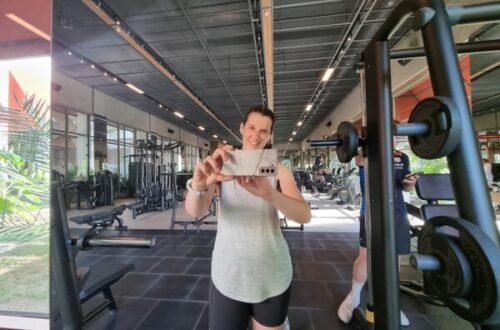
Health and wellness can vary significantly from one individual to another. For those experiencing limited mobility, conventional fitness guidance may seem unattainable or irrelevant. However, maintaining an active lifestyle is still possible and vital, no matter the physical constraints. The essential factor is to redefine what “movement” encompasses and how wellness can be personalized to align with each person’s unique capabilities and pace.
Transforming Mindset: Embracing Adaptation Over Frustration
Adjustments in mobility resulting from injury, aging, or chronic conditions can often lead to a sense of loss regarding previous activity levels. Gyms may feel less accessible, and group fitness classes might be intimidating. Yet, effective movement need not be vigorous or traditional. Simple daily habits, relaxing breathing practices, and leisurely walks can all positively impact overall well-being.
The hurdles faced aren’t solely physical; emotional aspects also play a significant role—particularly the challenge of shifting the notion that fitness is no longer relevant. Adopting an adaptive mindset can create profound changes. Every small achievement matters, and moving at a slower pace can still equate to progress. The focus should be on the intention behind each movement rather than its intensity or rapidity.
Many individuals find enjoyment in movement by engaging in guided stretching, light resistance exercise, or dancing from a seated position. These activities promote joint flexibility, enhance circulation, and uplift mood without exceeding the body’s capabilities on any given day.
Selecting Appropriate Aids to Enhance Mobility
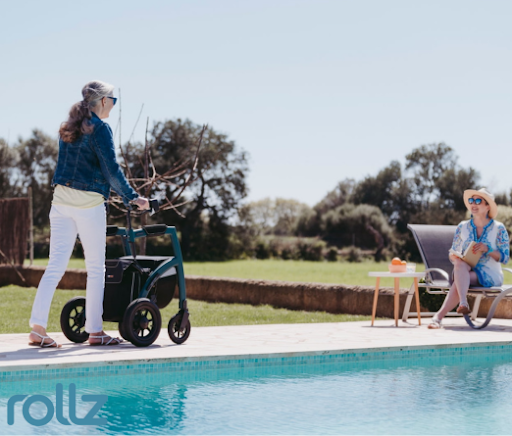
Using supportive devices can significantly enhance one’s ability to maintain an active lifestyle. Items such as a walker or wheelchair can provide greater independence and assurance, allowing individuals to explore more, interact with their surroundings, and lower the risk of injury or strain.
Contemporary designs, like those from Rollz, illustrate that mobility aids can be both stylish and functional. These tools are symbols of freedom rather than limitation. With appropriate assistance, activities like daily walks, social events, or outdoor relaxation become entirely achievable.
Environments that previously felt daunting, such as crowded streets or lengthy hospital hallways, can become inviting again. A well-chosen device fosters autonomy and confidence in one’s physical capabilities.
Developing an Individualized Wellness Strategy
Physical fitness is only one aspect of well-being. Crafting a comprehensive wellness plan involves also nurturing mental and emotional health. This can include spending time outdoors, practicing guided meditation, enjoying calming music, or connecting with loved ones. Movement should be seen as a source of joy rather than a burden.
Attuning oneself to bodily signals, setting achievable goals, and prioritizing regularity over intensity are key to forging a lasting bond with physical activity. It’s crucial to establish habits that align with your lifestyle.
Wellness is not solely reserved for those without disabilities. With the right support, a willingness to adapt, and a shift in perspective, anyone can partake in movement that enriches both body and mind. Aids like the walker or wheelchair do more than assist—they empower individuals. When practicality meets thoughtful design, as seen with Rollz products, this empowerment also embodies dignity. Movement may manifest differently for each person, but what truly matters is that it resonates with you.


You May Also Like

Understanding EMDR Trauma Treatment: Science and Success Rate
Selecting the Ideal Narrow Wheelchair for Your Needs