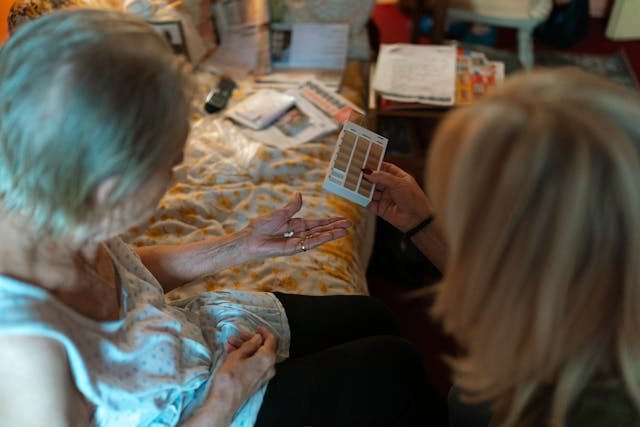
Transitioning to Memory Care: What to Expect in the First Month
Relocating a relative with dementia to a memory care facility can stir a whirlwind of feelings and practical concerns. This profound shift is challenging for both the individual experiencing memory issues and their family members. During the initial month following the move, families often find themselves feeling confused, struggling to discern whether their experiences are common or concerning.
Preparing for Move-In
Preparation begins well in advance of move-in day. Reputable memory care facilities conduct comprehensive evaluations to ascertain your loved one’s medical history, cognitive abilities, daily habits, and behavioral characteristics. This information serves as the foundation for their personalized care plan.
Make the new living space feel inviting. Bring familiar items such as family photos, a beloved blanket, and other personal decorations that evoke comfort. Many families discover that including a recognizable piece of furniture—like a favorite chair or nightstand—can significantly ease the transition.
The amount of paperwork to complete can be daunting. You will need to gather medical records, insurance information, payment plans, and advance directives. Most facilities appoint a staff member to assist with this process, so don’t hesitate to seek guidance.
Initial Week: Adjusting
The early days can be particularly painful. Your loved one may exhibit heightened confusion, anxiety, and disorientation. Some residents may respond with restlessness or agitation, while others may withdraw. Many will frequently express a desire to go home or try to leave. Such reactions, while heart-wrenching to observe, are normal in response to significant change.
During this adjustment phase, staff focus on establishing connections. They learn how your loved one communicates, what comforts them, and what triggers discomfort. Observing sleep patterns, appetite fluctuations, medication responses, and social interactions helps the care team identify what is typical for your family member.
Your visits play a crucial role during this week but require thoughtful planning. Short, uplifting visits are usually more effective than lengthy ones, which might heighten confusion. Staff members can advise you on optimal visiting times based on your loved one’s developing daily routines.
The evening hours can often bring heightened challenges. The unfamiliar environment may feel especially unsettling after dark. Competent staff members anticipate these difficulties and implement soothing measures alongside established evening routines.
Weeks Two and Three: Establishing a Routine
As the second week unfolds, the initial shock begins to dissipate. Your loved one may start to recognize familiar faces and surroundings. The care team will introduce structured activities, usually beginning with individualized engagements before gradually incorporating group activities.
Consistent daily schedules are essential for providing stability. Meals, medication distribution, bathing, and activities occur at set times, creating a predictable routine that benefits individuals with memory loss by forming patterns their mind and body can anticipate.
Responses to medication may vary during these weeks. The stress of relocation, new sleep cycles, and unfamiliar surroundings can influence how medications perform. Staff will closely monitor these changes and collaborate with healthcare providers if adjustments are warranted.
Social bonds will begin to emerge, though not always through verbal communication. Staff will note which individuals engage positively with your loved one, what areas they find comforting, and which activities resonate with them.
Week Four: Evaluating Progress
By the end of the fourth week, many residents display signs of settling down. The facility typically organizes a care plan conference to review their adjustment and implement necessary modifications. This meeting will focus on health concerns, emotional well-being, social involvement, and behavioral observations.
You may observe changes in your loved one’s appearance and behavior. While some individuals appear more relaxed in their structured surroundings, others may still show signs of adjustment stress. Staff will assist you in understanding these variations and how they align with common adjustment experiences.
This meeting serves as an excellent opportunity to voice any concerns regarding care methods or health changes. Rather than accepting vague reassurances, inquire about specific aspects of daily functioning, challenges, and successes.
Navigating the Family Experience
As your loved one transitions to memory care, you will navigate your emotional landscape. Feelings of guilt, grief, and uncertainty can be particularly overwhelming, even when the decision to move is necessary. These feelings often intensify when your family member displays confusion or expresses a desire to return home.
This month is a time for learning new methods of connecting with your loved one. Staff can share effective communication strategies and suggest engaging activities suited to their current abilities.
Building trust with the care team is achieved through open dialogue. It’s essential to strike a balance between being appropriately involved in your loved one’s care while allowing staff the opportunity to cultivate their own relationships with them.
Numerous families find value in support groups during this transition. The process compels everyone to confront the realities of dementia while family dynamics often shift markedly.
Common Challenges in the Initial Month
Many new residents struggle with sleep disturbances. New environments, unfamiliar sounds, and altered routines contribute to disrupted sleep patterns and increased confusion during evenings. Staff typically respond by implementing consistent bedtime rituals, appropriate lighting, and offering reassurances.
Resistance to care can be common initially. Individuals may feel uncomfortable with strangers assisting with personal tasks such as bathing. Compassionate staff strive to assign consistent caregivers, approach at optimal times, and utilize engagement strategies that align with your loved one’s preferences and history.
When your family member repeatedly expresses a wish to “go home,” it often stems from disorientation rather than a literal request. This reaction usually signifies a longing for security and familiarity rather than a specific place. Empathetic staff will address the underlying emotional needs associated with these expressions.
Sometimes, medication refusal can pose challenges during this transition. Care teams will create customized strategies based on cognitive awareness and communication skills. This might involve altering the timing of medication, trying alternative administration methods, or changing how medications are presented.
Indicators of a Successful Transition
Look for these encouraging signs: your loved one recognizing staff members, feeling comfortable in common areas, engaging in activities, and establishing consistent sleep and eating patterns. Small moments are significant—like a smile during music therapy, interaction with visiting pets, or enjoying quiet time in the garden.
Physical indicators of reduced anxiety may include more relaxed posture, diminished restlessness, less facial tension, and more frequent eye contact. Your loved one might begin developing affinities for particular staff members or activities.
Regular engagement in daily routines, even with encouragement, is a sign of increasing comfort. Celebrate small achievements such as your loved one navigating to the dining hall independently or recognizing their room.
When to Express Concerns
While adaptation takes time, some behaviors warrant attention. Consistently refusing food or liquids, significant weight fluctuations, withdrawal from all forms of interaction, or escalating aggressive tendencies should prompt immediate intervention.
Physical issues such as frequent falls, new incontinence problems, or sudden changes in mobility could suggest health concerns beyond the usual adjustment stress. It’s vital to seek a medical evaluation for these changes.
Trust your instincts. If your loved one appears persistently distressed, undergoes significant personality alterations, or seems excessively medicated during visits, it’s important to voice your concerns. Your observations could provide crucial insights that staff might overlook amidst routine care.
Beyond the First Month
The transition process extends well beyond the first 30 days. Many residents continue to acclimate over a period of three to six months before reaching an optimal level of functioning within the community.
Families play an essential role in this ongoing transition by staying appropriately engaged, sharing updates about life history, participating in care planning, and advocating as needed. Discovering new methods to connect remains an evolving journey as dementia progresses.
This experience requires patience from all involved. With the right support, realistic expectations, and compassionate care, the transition to memory care can enhance the quality of life for both the individual experiencing dementia and their family.

You May Also Like

The Impact of Medical Technology on Healthy Living

The Impact of Exterior Home Maintenance on Health and Wellbeing