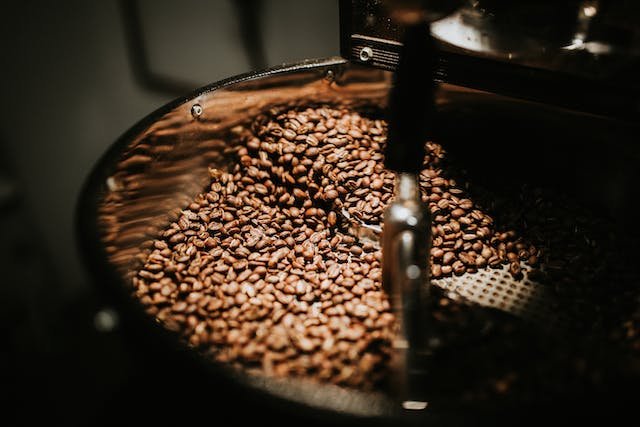
The Secrets to Perfect Coffee Roasting
Are you aiming to enhance your coffee roasting abilities? This guide delves into the complex chemical processes involved in roasting as well as the different roast levels and profiles. It presents a thorough exploration of the art and science that goes into crafting your beloved coffee. Whether you’re an enthusiast, a novice home roaster, or just interested in the roasting technique, you are about to step into the enchanting realm of coffee roasting.
The Art and Science of Coffee Roasting
Releasing The Aroma
Imagine this scenario: green coffee beans entering a roaster, embarking on a transformative journey. This process is about uncovering a wealth of aromatic and flavorful compounds hidden within. Central to this phenomenon is the Maillard reaction, a culinary transformation where heat encourages the beans to express their full flavor potential, resulting in the aromatic delights that enhance our mornings.
The Gentle Embrace of Heat
Heat plays a pivotal role in coffee’s evolution. It’s not merely about increasing the temperature; it’s a meticulous process that decides if the coffee will exhibit a light, delicate profile or a robust, dark essence. The key resides in how beans soak in this heat; roasters must skillfully manage this heat transfer to guarantee that each bean achieves the optimal warmth for a consistent roast and a well-rounded flavor profile.
The Flavor Alchemist
Let’s explore the Maillard reaction in greater depth, the flavor alchemist within the coffee domain. Here, at elevated temperatures, amino acids and sugars engage in a transformative “dance,” crafting a rich tapestry of tastes, from caramel and chocolate to nutty nuances. The harmony of roasting times and temperatures is where the roaster’s expertise is vital in achieving the ideal flavor balance for each bean.
A Delicate Balance
Roasting is indeed a balancing act. As the beans undergo roasting, their acidity diminishes while their sweetness comes to life. By adjusting the roasting duration and temperature, roasters can manipulate these factors, creating a cup that can range from vibrant and tangy to smooth and mellow. This meticulous calibration guarantees that every sip is a celebration of flavor.

Creating the Ideal Cup
The process of coffee roasting is a true art—an intricate interplay of time and heat that brings out the best attributes of each bean. Each roast level—light, medium, and dark—tells a different story in terms of flavor, body, and aroma. Let’s take a closer look at these different roast levels and how to achieve the perfect roasting curve.
Light Roasts
Visualize a light roast as a graceful interplay of flavors. These beans are roasted just long enough to bring forth their authentic essence. With light roasts, the inherent character of the bean is most prominent—characterized by bright acidity, floral and fruit notes, and a light, airy body. Light roasts appeal to those who wish to appreciate the bean’s origin, variety, and unique story.
Medium Roasts
Now, think of the medium roast as the perfect compromise. These beans spend a bit longer in the roaster, emerging with a rich medium brown hue. They represent a balanced coffee experience—not too light, not too dark. In this case, acidity softens, and flavors develop into deeper notes of caramel and chocolate, providing a fuller body. Medium roasts are favored by those who enjoy a well-rounded cup, respecting the bean’s inherent flavors while also benefiting from the roasting process.
Dark Roasts
Dark roasts symbolize the bold, assertive conclusion. Roasted the longest, these beans feature a dark brown appearance, often with an oily finish. They express a robust flavor spectrum characterized by smokiness, moderate bitterness, low acidity, and a potent, lasting body. Dark roasts are ideal for those seeking a strong, commanding taste, frequently forming the foundation for various espresso blends.
Perfecting The Roast Curve
Creating a roast curve is similar to composing music. It involves understanding each bean’s journey—its origin, variety, and latent potential. The roast curve acts as a roaster’s compass, assisting in the application of heat over time to unlock the complete flavor profile of each bean. This phase combines scientific principles with intuition, demanding skill, patience, and extensive trial and error.

Choosing Your Ideal Coffee Roaster
Begin by evaluating your roasting needs: think about how much you intend to roast, your experience level, and your favored roast profiles. A smaller roaster may suffice for personal or small-scale use, while larger, sophisticated machines are necessary for commercial operations.
When considering different roaster types, drum roasters provide versatility and accommodate various roast levels, making them a solid choice for many. Fluid bed roasters are perfect for novices or those favoring lighter roasts, thanks to their simple operation. Commercial roasters are geared for broader production, offering significant capacity and precise control, though they come with an increased cost and complexity.
Essential aspects to review include control and customization features, ease of usage, maintenance needs, and your overall budget. The Aillio Bullet R1 V2 from Current Crop, for instance, is well-regarded for its precision, catering to those desiring detailed control during the roasting process.
The Final Roast
Beginning your coffee roasting journey opens the door to a world rich in flavors, aromas, and experiences. From the science of the Maillard reaction to the art of selecting the perfect roaster, each step blends artistry and science, instinct and skill.
Whether you’re experimenting with different roast profiles or finding the right roaster for your requirements, keep in mind that every decision contributes to your personal coffee narrative. As you delve deeper and expand your knowledge, let your taste buds guide you through this continually evolving and gratifying craft. Enjoy the experience, one roast at a time.


You May Also Like

Meal Plan Calendar Basics: 4 Tips for Beginners

Long