Detoxing the Gut
The dialogue between your brain and gut is more intricate than most realize, leading scientists to dub the gut as the “second brain.” The close relationship between the digestive system and mental health significantly impacts your emotions, thoughts, and even recovery processes, particularly during detoxification.
If you’re in the process of overcoming addiction or simply wish to enhance your emotional wellbeing, grasping the concept of the gut-brain axis is crucial. One of the simplest approaches to nurturing both aspects is through the consumption of foods rich in probiotics, which aid in detoxifying and restoring balance in the body.
Understanding the Gut-Brain Axis
The gut-brain axis refers to the two-way communication system between the brain and the gastrointestinal tract. This network includes:
- The vagus nerve, linking the brainstem to the digestive system
- The enteric nervous system found along the gut lining
- Hormones and neurotransmitters such as serotonin, dopamine, and GABA
Interestingly, over 90% of the body’s serotonin (a neurotransmitter associated with mood, sleep, and anxiety) is synthesized in the gut (Gershon, 1998). An imbalance in gut health frequently correlates with a decline in mental wellbeing.
Impact of Addiction on Gut Health
Substance misuse, particularly with alcohol, opioids, and stimulants, can severely disrupt the digestive system:
- Damaging the gut lining
- Disrupting the balance of gut microbiota
- Increasing levels of inflammation
- Impeding nutrient absorption
During the detoxification process, the body attempts to repair itself. However, an unbalanced gut may lead to ongoing symptoms of anxiety, depression, and mood fluctuations.
A study published in 2021 in Frontiers in Neuroscience highlighted that individuals with substance use disorders often exhibit reduced microbial diversity and diminished levels of beneficial bacteria, such as Lactobacillus and Bifidobacterium.
Importance of Probiotics in Detoxification
Probiotics are live microorganisms that contribute positively to a healthy microbiome. Including these beneficial bacteria in your diet, especially during detox, can assist your body to:
- Repair the gut lining
- Diminish systemic inflammation
- Enhance digestion and nutrient absorption
- Stabilize mood and enhance cognitive function
- Bolster the immune system
This process not only facilitates physical healing but also enhances mental clarity and emotional strength— essential components during recovery.
Best Probiotic Foods for Detox Support
Embracing probiotic-rich foods doesn’t necessitate complex diets or supplements. Many of these items are straightforward, natural, and can easily be incorporated into everyday meals.
1. Sauerkraut
Description: Fermented cabbage abundant in Lactobacillus plantarum and other beneficial probiotics.
Benefits:
- Enhances digestive health
- Minimizes gut inflammation
- Easily digestible, even in small amounts
Tip: Opt for raw, unpasteurized sauerkraut to maximize probiotic advantages.
2. Yogurt (with live cultures)
Description: A cultured dairy (or plant-based) product, packed with live bacteria like Lactobacillus acidophilus.
Benefits:
- Aids in restoring gut flora
- Provides calcium and protein
- Soothes inflammation in the digestive tract
Harvard Health notes that probiotic yogurt may alleviate symptoms of anxiety and depression for some individuals.
3. Kombucha
Description: A fermented tea beverage created using a SCOBY (symbiotic culture of bacteria and yeast).
Benefits:
- Facilitates liver detoxification
- Rich in antioxidants
- A natural source of probiotics like Gluconacetobacter
Caution: Steer clear of options high in added sugars or unregulated batches during detox.
4. Miso
Description: A fermented soybean paste commonly used in soups and sauces.
Benefits:
- Contains Aspergillus oryzae, a probiotic strain
- Supports the integrity of the gut lining
- Delivers plant-based protein and B vitamins
Tip: Mix miso with warm (not boiling) water to maintain its probiotic properties.
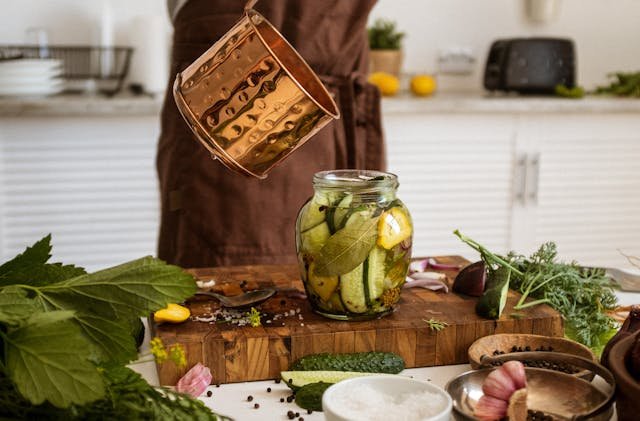
5. Fermented Pickles
Description: Cucumbers processed in a salty brine (not vinegar).
Benefits:
- Loaded with Lactobacillus
- Promotes digestion and regular bowel movements
- Adds a crunchy, tangy flavor to meals
Note: Check labels—many store-bought pickles use vinegar and bypass fermentation.
6. Kefir
Description: A fermented milk drink enhanced with various probiotic strains.
Benefits:
- High in diverse probiotics
- Rich in B vitamins, calcium, and protein
- May aid in sleep quality and mood stabilization
Plant-based options: Coconut or almond kefir containing live cultures.
Creating a Gut-Friendly Detox Routine
Probiotics are most effective when paired with prebiotic foods, which nourish good bacteria. Prebiotic sources include:
- Bananas
- Garlic
- Onions
- Leeks
- Asparagus
- Oats
Additionally, consider the following:
- Stay hydrated to help eliminate toxins
- Limit processed and sugary foods that can harm gut flora
- Eat mindfully and slowly to aid digestion
- Practice stress reduction techniques, such as breathing exercises, proper sleep, and gentle physical activity
Are Probiotic Supplements Necessary?
While whole foods are preferable, a high-quality probiotic supplement can be beneficial if your digestion is significantly impaired or you’re not consuming enough fermented items.
When selecting a supplement, look for:
- Multiple strains (ideally at least 5–10)
- A minimum of 10 billion CFUs (colony-forming units)
- Third-party certification and free from artificial additives
Consult a healthcare professional if uncertain, particularly in the early stages of detox.
Emotional Advantages of Gut Recovery
As your gut microbiome improves, you may recognize enhancements beyond digestion:
- Decreased brain fog and fatigue
- Reduced emotional volatility
- Enhanced quality of sleep
- Better emotional stability
Research published in Psychiatry Research (2017) found that probiotic supplementation alleviated psychological distress, anxiety, and depression in individuals with no previous issues.
This improvement stems from a balanced gut that produces higher amounts of neurotransmitters, controls inflammation, and enhances nutrient absorption—essential for both brain health and emotional wellness.
Final Considerations
Recovery from addiction entails more than merely eliminating harmful substances—it’s about nurturing the body, mind, and spirit. The gut is a crucial player in this process, and integrating probiotic-rich foods is a straightforward yet potent method for supporting detoxification and emotional stability.
Begin with small steps: Add a spoonful of sauerkraut to lunch, enjoy a glass of kefir at breakfast, or make a warming miso soup at night. These gentle actions can lead to significant changes.
As your gut heals, your mind will find peace.
References
- Gershon, M. D. (1998). The Second Brain. HarperCollins.
- Rea, K., et al. (2021). The microbiome: A key regulator of stress and neuroinflammation. Frontiers in Neuroscience.
- Steenbergen, L., et al. (2017). A randomized controlled trial on the effects of a multispecies probiotic on cognitive reactivity to sad mood. Psychiatry Research, 255, 258–264.
- Harvard Health Publishing. (2020). Probiotics: What you need to know.


You May Also Like

Black Caviar: The Ultimate Luxury Dining Delicacy

Five Iconic Italian Dishes