Active Legs: Exercise, Prevention, and Modern Treatment for Healthy Circulation
Approximately 6.5 million Americans aged 40 and older live with peripheral artery disease (PAD), a condition that gradually narrows the arteries in the legs and often impacts mobility, independence, and overall quality of life. The encouraging news is that engaging in regular exercise tailored to preventing PAD can significantly slow its progression, enhance blood circulation, and even alleviate early symptoms. Active movement, alongside proven treatment methods, is not merely therapeutic; it is essential for maintaining an active, healthy lifestyle free from pain.
For those either affected by or wishing to prevent PAD, merging circulation-enhancing exercises, dietary modifications, and thoughtful lifestyle changes provides a concrete, actionable guide to improving vascular health, alleviating concerns over the need for PAD treatment.
The Necessity of Movement in Managing Peripheral Artery Disease
PAD is more than just impaired circulation; it is a progressive ailment that limits blood flow to the legs, causing symptoms like leg pain during walking (claudication), numbness, and non-healing wounds. While medicinal therapies and more advanced procedures are crucial, research indicates that moderate and regular exercise serves as the top non-invasive treatment option. This highlights the importance of integrating a dedicated walking regimen into everyday life to experience transformative results.
Consequences of a Sedentary Lifestyle
Neglecting physical activity leads to a destructive cycle: reduced movement results in increased pain, which discourages walking. Without stimulation of the skeletal muscles, leg arteries become even stiffer, resulting in potential long-term disabilities. In such cases, more advanced medical interventions may be required.
Effective Exercises for Preventing Peripheral Artery Disease and Enhancing Circulation
Establishing a structured exercise program enables muscles to utilize oxygen more effectively and supports the development of alternative blood vessels. The following exercises are recognized as safe, effective, and adaptable:
1. Supervised Walking Therapy
This is the fundamental exercise for preventing PAD. Participants walk at a pace that generates mild to moderate discomfort, then take breaks. This cycle should be performed for 30 to 50 minutes, 3 to 4 times a week. Research has demonstrated that just six months of this therapy can enhance walking distance by more than 50%.
2. Resistance Training
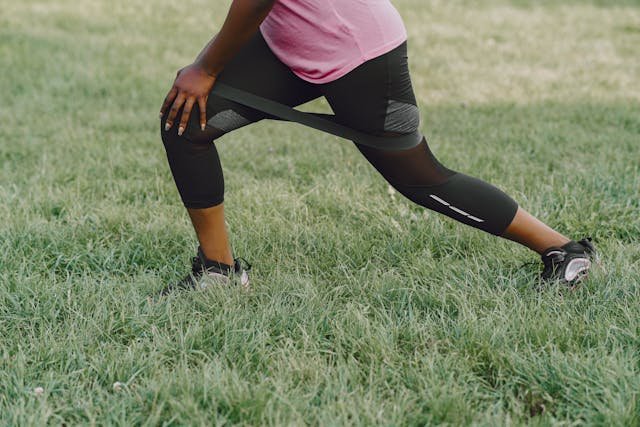
Focusing on the major muscle groups in the legs with lightweight or resistance bands aids in building endurance and decreasing fatigue. Incorporating it with walking maximizes the benefits.
3. Dynamic Stretching and Yoga
These practices enhance flexibility, boost blood circulation, and alleviate muscle tension that may restrict movement. Chair yoga proves particularly beneficial for those concerned about balance.
4. Cycling and Low-Impact Cardio
Riding a stationary bike or participating in water aerobics minimizes joint strain while improving blood flow to the lower extremities. This gentle yet powerful option is favored by older adults and those in recovery.
Lifestyle Modifications to Support PAD Prevention
Exercise is most effective when complemented by a lifestyle that promotes vascular health. Here are key strategies for preventing PAD:
Heart-Healthy Nutrition
Adopting a Mediterranean-style diet that includes plenty of leafy greens, olive oil, fatty fish, nuts, and whole grains has shown effectiveness in reducing arterial stiffness and inflammation. Minimizing processed sugars and saturated fats also helps prevent plaque build-up.
Quit Smoking Promptly
Tobacco consumption is the leading modifiable risk factor for PAD. Smoking accelerates the narrowing of arteries, and research suggests that stopping smoking can halve the risk of complications within a year.
Control Chronic Diseases
Conditions like diabetes and hormonal variations can hinder circulation. For those facing age-related challenges, considering hormone replacement therapy may aid in enhancing overall health and mobility.
Reduce Stress and Enhance Sleep Quality
Elevated cortisol levels can contribute to arterial inflammation. Focusing on mindfulness, ensuring restorative sleep, and fostering positive social interactions are key elements in supporting cardiovascular health.
When to Consider Medical Help
If you experience persistent leg pain despite exercising, or if you develop sores that fail to heal, seeking a thorough vascular assessment is crucial. While preventative measures are vital, advanced PAD cases may necessitate procedures such as angioplasty, stenting, or surgical bypass.
A customized treatment plan combined with a comprehensive prevention strategy represents the optimal approach. Specialized facilities that offer podiatry services can evaluate gait, circulation, and wound healing capabilities while providing targeted prevention strategies.
Enhance Your Life Through Movement
You do not need to allow PAD to restrict your freedom and independence. The opportunity to boost circulation, alleviate symptoms, and regain mobility lies in proactive steps. By committing to regular exercise for PAD prevention, making deliberate lifestyle changes, and seeking expert guidance, individuals can keep their legs and their lives in motion. Whether it’s enjoying a morning walk on the beach or playing with your grandchildren, enhancing your quality of life begins with a single step.


You May Also Like

Am I a Real Runner? The Value of Every Pace

The Importance of Prescription Sunglasses for Vision Protection and Outdoor Wellness