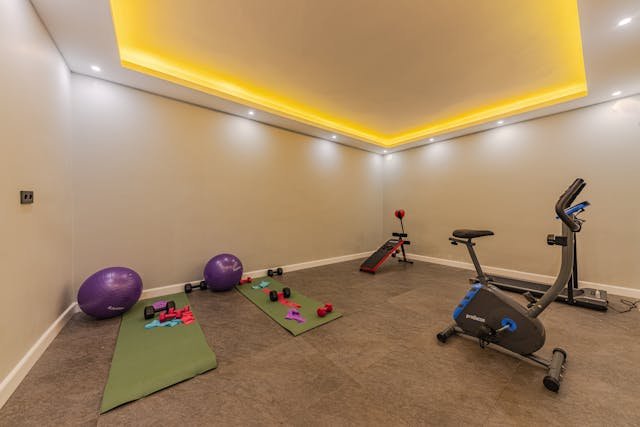
Building a Simple Home Gym for Lasting Health
Establishing a home gym does not necessitate an expansive area filled with costly machinery. Many successful setups start with a few adaptable pieces of equipment and a defined strategy for regular workouts. When exercise is conveniently accessible at home, individuals are significantly more likely to stick to a routine. Over time, these consistent workouts facilitate enhanced physical health, improved mobility, and increased daily vitality.
One of the crucial elements for achieving long-term fitness success is consistency. Creating a home gym eliminates common obstacles that can hinder exercise routines, such as commuting, busy gyms, and scheduling issues. With equipment just a short distance away, it becomes simpler to fit in quick workouts throughout the day. Even short, regular sessions can lead to substantial gains in strength, endurance, and overall well-being.
Constructing a space that promotes movement encourages exercise to seamlessly integrate into daily life. Instead of relying solely on willpower, the environment fosters healthy habits instinctively. A thoughtfully arranged home gym becomes a space where workouts are perceived as convenient rather than daunting, often leading to a stronger, more enduring commitment to physical activity.
Identifying the Ideal Location for Your Home Gym
The initial step in creating a home gym is to find a suitable space within your home. This area does not need to be large or completely secluded from other living spaces. Many productive setups can be found in garages, spare bedrooms, basements, or even small nooks within living areas. The primary requirement is sufficient room to move safely during workouts.
Proper lighting and ventilation are crucial in establishing a pleasant workout environment. Natural light can boost mood and enhance training sessions throughout the day, while good airflow helps maintain a comfortable temperature during extended or intense workouts. Making small environmental enhancements can significantly impact workout consistency.
Another essential aspect of designing a home gym is the flooring. Using protective rubber mats minimizes noise and protects both floors and equipment from wear and tear. Additionally, these mats provide stability during strength-training exercises like squats, presses, and lunges, contributing to a safer workout environment and greater training confidence.
Choosing Versatile Equipment for Effective Training
An effectively designed home gym focuses on equipment that allows for a wide range of exercises. Items such as adjustable dumbbells, resistance bands, kettlebells, and a durable workout bench offer excellent versatility for strength training. These tools enable users to target nearly all major muscle groups without needing excessive space, making it simpler to incorporate variety into workouts.
Incorporating cardio equipment can elevate a home fitness setup as well. Options like rowing machines, stationary bikes, and treadmills help maintain cardiovascular health year-round, allowing individuals to continue their training even when outdoor conditions are not favorable. Combining strength and cardio training enhances overall fitness and endurance.
When building a home gym, selecting durable equipment is essential. Strength machines and cardio devices should support ongoing workouts while fitting well within the available space. Comparing different equipment types and researching reliable vendors can help refine your choices. Resources like equipment guides and training materials from Fitness Superstore can assist in assessing long-term workout setups.
Crafting a Workout Routine That Aligns with Your Life
A home gym proves most effective when it aligns with a feasible training schedule. Often, overly complicated programs fail because they are challenging to sustain over time. Many individuals find success working out three to four times per week, which allows for gradual strength and endurance gains while minimizing fatigue.
Full-body workouts are particularly advantageous in home gym settings. Exercises that engage multiple muscle groups help optimize efficiency and reduce overall workout durations. Movements such as squats, presses, rows, and fundamental core exercises create a solid foundation for overall fitness. These compound movements also enhance balance and coordination.
Even brief workouts can yield remarkable results when performed regularly. A focused 20 to 30-minute session can stimulate muscle growth and bolster cardiovascular health. The convenience of having a home gym makes it easier to complete these shorter workouts consistently. Ultimately, consistency yields better long-term progress than infrequent, lengthy sessions.
Creating an Inspiring Training Atmosphere
A neat and inviting workout area encourages individuals to train more often. Clutter can distract and diminish motivation to exercise. Keeping equipment organized and easily accessible eliminates unnecessary obstacles before starting a workout. Small organizational improvements can lead to greater consistency.
Utilizing mirrors can enhance exercise form and awareness of posture during training. Observing movement patterns allows for corrections that can reduce the risk of injury. Additionally, mirrors can make smaller workout spaces appear brighter and more spacious, creating a more welcoming environment for consistent training.
Playing music can also foster a motivating atmosphere for workouts. Many people find that listening to music boosts focus and energy. A simple speaker or curated playlist can change the vibe of a session dramatically. These environmental enhancements help make the space more enjoyable to utilize.
Facilitating Recovery and Promoting Long-Term Health
Exercise is just one aspect of a well-rounded fitness regimen. Recovery techniques enable the body to adapt to training and prevent injuries over time. Incorporating stretching, mobility exercises, and light recovery days contribute to joint health and muscle flexibility, allowing for regular training without putting undue stress on the body.
Additionally, sleep is crucial for recovery and overall wellness. Adequate rest enables muscle repair and replenishes energy levels between workouts. Regular exercise typically enhances sleep quality as well. The synergy between training and proper rest bolsters long-term physical performance.
Nutrition and hydration further reinforce the advantages of regular exercise. Consuming balanced meals rich in protein, complex carbohydrates, and healthy fats aids in powering workouts and recovery. Staying hydrated throughout the day also optimizes physical performance. Together, these lifestyle choices promote sustainable fitness.
Fostering a Lasting Fitness Lifestyle
The ultimate purpose of a home gym is to cultivate habits that can be sustained for years. The objective isn’t to create the most elaborate or expensive workout space possible. Instead, the emphasis should be on developing an environment that encourages consistent movement. Simple setups frequently yield the most reliable exercise habits.
Over time, gradual increases in strength, endurance, and mobility accumulate. Regular physical activity leads to enhanced posture, improved mental clarity, and higher energy levels throughout the day. These benefits extend well beyond the workout itself, influencing overall quality of life.
With careful planning and practical equipment selections, a home gym can serve as a powerful asset for fostering a healthy lifestyle. The key lies in creating a space that eliminates barriers to exercise and encourages ongoing activity. When movement becomes a part of the home environment, maintaining a healthy lifestyle becomes much more attainable.


You May Also Like

Boost Performance with Hydration Supplements

Orthopedist-Approved Joint