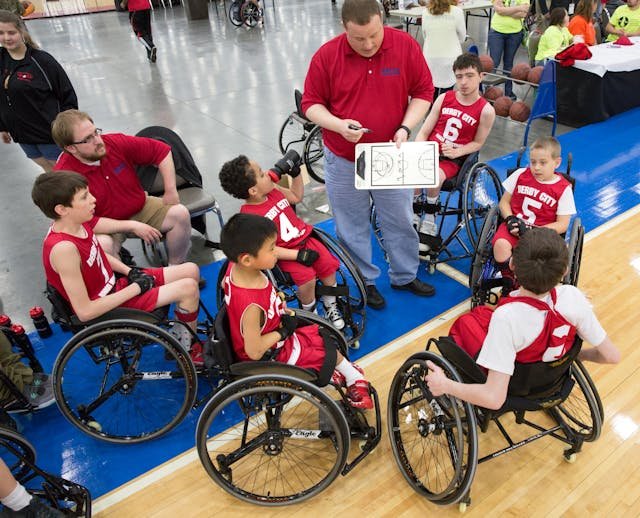
Building Resilience and Self
Raising a child with physical challenges involves navigating various medical, educational, and daily environments, which can sometimes be intricate but is entirely achievable. Beyond these difficulties lies the potential to guide children in recognizing their worth, understanding their unique needs, and becoming assertive advocates for themselves.
Resilience and self-advocacy can be fostered intentionally at home, within healthcare settings, and throughout the community. You might find yourself questioning the best approach, so here are some evidence-based strategies to help children develop these essential skills while preserving their joy, confidence, and independence.
Understanding Resilience
Resilience encompasses the capacity to persist following setbacks and to seek solutions to problems as they arise. It does not entail minimizing difficulties or disregarding emotions; rather, it involves establishing strong coping mechanisms and support systems to facilitate effective adaptation. You can cultivate resilience through integrating play into learning during everyday activities, such as counting items or comparing prices during shopping trips.
Defining Self-Advocacy
Self-advocacy is the skill of articulating one’s needs, making informed choices, and defending oneself, including one’s beliefs and rights. Encouraging children to advocate for their needs fosters independence and confidence. Children who can express their needs are better equipped to seek assistance when required. For those with physical limitations, this might mean requesting specific educational accommodations, taking breaks when tired, or seeking special medical provisions.
The journey of teaching self-advocacy begins with self-awareness. Kids must first recognize their unique strengths and challenges. Adults can facilitate this by highlighting the child’s problem-solving abilities while also acknowledging areas that may need work. This awareness serves as a basis for effective communication.
Strategies to Foster Resilience in Children with Disabilities
Fostering resilience involves exemplifying positive behaviors for children to emulate. This nurturing approach cultivates their strengths, encourages personal growth, enhances problem-solving capabilities, and establishes a supportive atmosphere.
Emphasize Their Strengths
Discussions surrounding physical limitations often start with what children cannot do. Yet, encouraging a focus on their strengths empowers them to aspire for more. Fostering this mindset highlights their passions and previous successes while acknowledging the support systems around them. Children adapt more effectively when their guardians and educators bolster their opportunities for engaging in physical activities rather than drawing attention to limitations.
Recognizing and celebrating their existing abilities nurtures resilience and prompts children to view challenges as pathways for growth. Creating a strengths map can help reinforce this perspective, reminding them and others that progress stems from what they already excel at. Visually designing this map can provide daily motivation.
Support Their Growth
Children thrive in environments where challenges are perceived as opportunities for learning, not as insurmountable hurdles. Adults can model this perspective by framing obstacles as avenues for development. Kids learn from their parents’ emotional responses and behaviors. Fostering a balanced view—acknowledging both the difficulties and the lessons learned from them—helps children understand that setbacks are integral to the learning journey.
Encourage Problem-Solving
Promoting problem-solving equips children with the skills and confidence needed to tackle everyday challenges. Families can assist children through structured guidance, which encompasses recognizing issues, employing critical thinking, and brainstorming multiple potential solutions.
Establish a Supportive Environment
A nurturing network of family, friends, and educators is vital in enhancing a child’s resilience. Creating consistent routines that offer stability, providing encouragement that recognizes effort, and allowing safe spaces for emotional expression all contribute positively to building resilience.
Cultivating Self-Advocacy Skills
While resilience encourages perseverance, self-advocacy empowers children to communicate their needs. Developing these skills necessitates practice and support, emphasizing communication, independence, and personal understanding.
Enhance Communication Skills
Effective communication is vital in children’s development. Encouraging kids to use respectful language when stating their needs is essential. Depending on their physical abilities, some children may prefer specific phrases or communication aids. As their communication capabilities grow, they will feel increasingly confident in sharing their perspectives at home, in school, and within social contexts.
Families seeking a more structured approach should consider consulting rehabilitation specialists who provide necessary support and resources to both children and their parents, including treatment options and tailored recommendations.
Promote Independence
Parents and educators who empower children to make decisions encourage their independent growth. Starting with small choices, such as selecting clothing or deciding on activities, can gradually lead to greater responsibilities, such as homework management and daily planning. This burgeoning independence fosters confidence and strengthens self-advocacy skills.
Nurturing Resilience and Self-Advocacy to Shape Your Child’s Future
Children with physical challenges encounter distinct obstacles, yet they possess the potential to build resilience and assertive voices. By instilling self-advocacy, fostering growth, encouraging problem-solving, and cultivating a supportive environment, you can empower them to confidently face challenges. Nurturing resilience and self-advocacy prepares them to engage with the world as capable, independent individuals who can effectively advocate for themselves.

You May Also Like

Grounded and Glowing: Seasonal Rituals for Enhanced Wellbeing

The Importance of Naming Emotions for Better Regulation