Comprehensive Acne Treatment: Diet to Dermatology
Acne is a prevalent skin condition affecting individuals across various age groups. It manifests as pimples, blackheads, whiteheads, and occasionally painful cysts. For many, merely treating external symptoms does not suffice for achieving sustained clear skin. This highlights the importance of a holistic perspective, which involves examining both internal and external factors that may contribute to acne.
A holistic approach entails viewing the individual comprehensively, addressing not just visible blemishes but also potential underlying factors linked to diet, lifestyle choices, stress levels, and gut health, in conjunction with dermatological interventions. This guide aims to offer valuable insights into these various elements of acne management.
Comprehending Acne: An Issue Beyond Skin
Acne occurs when hair follicles are blocked by sebum (oil) and dead skin cells. This blockage creates an environment conducive for bacteria, particularly Propionibacterium acnes (P. acnes), to thrive, which can result in inflammation and breakouts.
Nevertheless, various factors extend beyond basic hygiene and skin type that may affect acne:
- Hormonal Changes: Androgens can boost sebum production in both men and women.
- Inflammation: A critical factor in acne, often influenced by internal variables.
- Genetics: There is a higher likelihood of developing acne if there is a family history.
- Stress: Can prompt hormonal changes that aggravate acne.
- Diet: Recent studies indicate that certain foods might influence acne.
- Gut Health: Increasingly, research is exploring the relationship between gut health and skin conditions.
The Impact of Diet on Acne: What You Consume Counts
While not everyone’s acne is directly influenced by diet, research indicates that specific foods can affect breakouts in some individuals. Being mindful of your diet can therefore be an integral part of an acne management strategy.
High Glycemic Index (GI) Foods
These foods, such as white bread, sugary beverages, white rice, and processed snacks, cause quick spikes in blood sugar levels. This increase in sugar can elevate insulin levels, potentially boosting oil production and inflammation.
Suggestion: Prioritize low-GI foods like whole grains, most fruits and vegetables, legumes, and lean proteins, which result in a more gradual sugar release.
Dairy Products
Some research points to a correlation between dairy intake, particularly skim milk, and acne. It’s believed that milk hormones might play a role in acne development.
Suggestion: Try reducing or temporarily phasing out dairy products to evaluate any changes in your skin condition, considering dairy-free alternatives like unsweetened almond, soy, or oat milk.
Omega-3 Fatty Acids: Renowned for their anti-inflammatory benefits, an imbalance between Omega-3 and Omega-6 fatty acids (common in Western diets) might foster inflammation.
Suggestion: Boost your Omega-3 intake by consuming fatty fish (like salmon and mackerel), flaxseeds, chia seeds, and walnuts.
Antioxidant-Rich Foods
Antioxidants combat oxidative stress and inflammation within the body.
Suggestion: Incorporate a variety of colorful fruits and vegetables, such as berries, leafy greens, and orange-hued options like sweet potatoes and carrots.
Zinc
This essential mineral supports immune function, aids in wound healing, and helps mitigate inflammation. Some individuals with acne exhibit lower levels of zinc.
Suggestion: Consume zinc-rich foods like nuts, seeds, legumes, and lean meats. A supplement may be considered under professional supervision.

Linking Gut Health and Skin Health
Recent studies emphasize the “gut-skin axis,” indicating that digestive health can significantly influence skin conditions. An imbalance in gut flora (dysbiosis) may result in systemic inflammation, which could manifest as skin concerns like acne.
Probiotics and Prebiotics
Probiotics are beneficial microorganisms, while prebiotics act as food for these helpful bacteria.
Suggestion: Incorporate probiotic-rich foods such as live yogurt, kefir, sauerkraut, and kimchi. If recommended by a healthcare provider, consider quality probiotic supplements. Sources of prebiotics include garlic, onions, bananas, and oats.
Fibre
Fibre promotes healthy gut function and assists in detoxifying the body.
Suggestion: Maintain an adequate fibre intake from whole grains, fruits, vegetables, and legumes.
Managing Stress and Lifestyle Variables
While stress alone does not directly cause acne, it can exacerbate existing conditions. Stress results in increased cortisol production, which can enhance oil output and trigger inflammation.
Techniques for Stress Reduction
- Mindfulness and Meditation: Practicing even brief daily meditation can help manage stress responses.
- Physical Activity: Engaging in regular exercise can diminish stress hormones and boost overall health.
- Sufficient Sleep: Strive for 7-9 hours of restful sleep each night. Sleep deprivation can heighten stress and adversely affect skin health.
- Engagement in Hobbies: Take part in enjoyable activities to alleviate stress.
Staying Hydrated
Proper hydration is vital for both optimal skin health and overall bodily functions.
Suggestion: Aim to drink 6-8 glasses of water daily.
Skincare Practices
- Gentle Cleansing: Clean affected areas no more than twice daily using a mild, fragrance-free cleanser and lukewarm water; over-cleansing can irritate the skin.
- Non-Comedogenic Products: Opt for skincare and makeup products labeled as “non-comedogenic,” which are less likely to clog pores.
- Avoid Picking: Resist the temptation to squeeze or pick at spots, as this can aggravate inflammation and result in scarring.

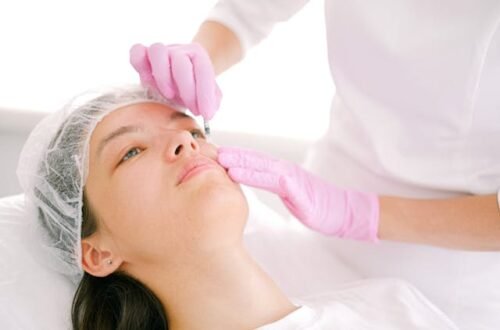
Dermatological Treatments from Professionals
Although holistic strategies are significantly beneficial, medical treatment from a dermatologist or general practitioner is often required, especially for moderate to severe cases of acne. These therapies aim to tackle the underlying biological causes of acne.
Topical Treatments (Applied to the Skin)
- Benzoyl Peroxide: Works by reducing bacteria and unclogging pores.
- Topical Retinoids (e.g., Adapalene, Tretinoin): Assist in normalizing skin cell turnover to prevent blocked pores.
- Topical Antibiotics: Help diminish bacteria and inflammation but should be used for limited durations to prevent resistance.
- Azelaic Acid: Reduces both bacteria and inflammation and may aid in minimizing redness and post-inflammatory hyperpigmentation.
Oral Medications (Taken By Mouth)
- Oral Antibiotics: Prescribed for moderate to severe inflammatory acne to reduce bacteria and inflammation, typically in conjunction with topical treatments for limited durations.
- Hormonal Treatments: Certain oral contraceptives or spironolactone can assist women in managing hormones linked to acne.
- Isotretinoin (Roaccutane): A potent medication for severe, stubborn, or scarring acne that reduces oil production, inhibits pore blockages, and possesses anti-inflammatory properties; it requires close medical supervision due to potential side effects.
Integrating Approaches for Optimal Results
Achieving the best outcomes for acne treatment typically necessitates a combination of strategies. A dermatologist or general practitioner can evaluate the severity of your acne and propose a treatment plan that merges prescribed medications with lifestyle and dietary modifications.
For instance, you might be recommended a topical retinoid for daily use, with advice to boost your Omega-3 consumption, coupled with suggestions for stress-reducing practices. This all-encompassing method addresses various aspects of acne, significantly improving the likelihood of attaining and sustaining clearer skin.
Addressing acne treatment transcends mere topical solutions; it involves understanding the intricate interplay between internal and external factors. By embracing a holistic approach that incorporates a balanced diet, attentiveness to gut health, effective stress management, proper skincare routines, and when necessary, professional dermatological treatments, you can work towards healthier, clearer skin. If you face challenges with acne, consult with your general practitioner or a dermatologist for a customized treatment plan tailored to meet your unique needs.


You May Also Like

Hidden Emotions and Toxins: The Unseen Triggers of Skin Issues
The Transformative Impact of Botox on Confidence