Couch to 5K: A Beginners Running Journey Guide
Transitioning from a life of inactivity to successfully completing a 5K run is more than just a physical feat; it represents a profound personal transformation that fosters growth and boosts overall well-being. This journey serves as a platform for setting and accomplishing significant goals, increasing physical activity, and embracing a more vibrant and health-focused lifestyle that benefits both the body and the mind.
This comprehensive guide is crafted to assist you in moving from a sedentary lifestyle to celebrating your 5K achievement, featuring a structured training program, nutritional guidance, and motivational strategies aimed at ensuring your transition into running is both effective and enjoyable.
Grasping the Fundamentals of Running
Running serves as a foundational exercise that greatly enhances cardiovascular health, strengthens muscles, and elevates mental wellness. Before you put on your running shoes, it’s essential to familiarize yourself with the fundamentals of running form, technique, and the right equipment necessary to minimize injuries and enrich your running experience.
To learn more about how strength training can improve your running, visiting trusted sites like RunDNA can provide helpful information.
Setting Achievable Milestones
Your running journey begins with the establishment of realistic and attainable goals, with a 5K run serving as an excellent target for beginners. This distance strikes a balance between challenge and feasibility, motivating you to push your boundaries without leading to frustration. Having a designated date for your 5K provides a tangible deadline that fosters motivation and accountability.
Utilizing a running app or keeping a journal to diligently monitor your progress is also essential for recognizing improvements and addressing challenges. It’s important to take a gradual approach; this helps in building stamina and endurance safely, avoiding the typical pitfalls of overexertion and fatigue.
Creating a Training Schedule
A well-structured training program is vital for your journey. Here’s a sample plan to guide you from the couch to the 5K:
- Weeks 1-2: Walking and Light Jogging
Start with sessions of 20 to 30 minutes of walking or light jogging at least three times a week, aiming to acclimate your body to regular exercise.
- Weeks 3-4: Incorporating Running Intervals
Begin to incorporate intervals of running. For example, run for 1 minute followed by 2 minutes of walking, repeating the cycle throughout your workout duration. Gradually extend the running intervals as you progress.
- Weeks 5-6: Extending Running Durations
By this stage, your body should be adapting well to running. Lengthen your running intervals to 5 minutes with shorter walking breaks in between.
- Weeks 7-8: Sustained Running
Focus on running continuously for at least 20 minutes. By the end of week 8, you should be able to cover 2.5K without taking extended breaks.
- Weeks 9-10: Preparing for the Race
Enhance your endurance to cover at least 4K. Practice pacing and try running a full 5K to assess your readiness.
Integrating Cross-Training and Recovery
Cross-training is essential for creating a balanced training strategy. On non-running days, consider activities like cycling, swimming, or yoga to improve your overall fitness and lower the odds of injury. It’s equally important to include rest days, allowing your muscles time to recover and grow stronger, thus ensuring a balanced approach to building both endurance and strength.
Prioritizing Nutrition and Hydration
Hydration is also critical. Ensure you drink enough water throughout your training, especially on running days, to sustain peak performance and avoid dehydration. A comprehensive focus on nutrition and hydration will significantly enhance your training efforts.
Maintaining Motivation
Staying motivated during training can be particularly challenging for beginners. To keep your enthusiasm high, aim to set achievable weekly goals and celebrate every milestone, regardless of size.
Moreover, joining a running group or teaming up with a buddy can provide an excellent source of motivation and accountability. Every run, no matter the distance or intensity, brings you closer to your ultimate goal, reinforcing the idea that each step taken is progress in your journey.
Race Day Preparedness
As race day approaches, begin your preparations:
- Reduce your training intensity a week before the race to allow for rest.
- Plan out your race day attire and gear beforehand to avoid any last-minute anxiety.
- Familiarize yourself with the race route and logistics to stay organized and ready.
Conclusion
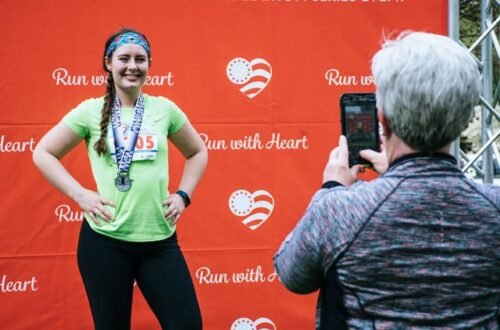
Finishing a 5K is a significant achievement, especially for those starting from scratch. With commitment, proper planning, and a positive outlook, crossing the finish line is entirely within reach. Remember, the path from the couch to a 5K run is about establishing a goal, working diligently towards it, and transforming yourself along the way. Embrace the journey, and let each step carry you to a healthier and more active life.


You May Also Like

Exercise Guidelines for Post

The Influence of Body Fat Percentage on Fitness Goals and Health Outcomes