Cross
Athletes frequently encounter the issue of overuse injuries, which arise from the constant strain on muscles, joints, and tendons. These injuries can seriously affect an athlete’s ability to perform and progress, potentially forcing them out of their beloved sport. To combat this issue, it’s crucial to integrate a varied training approach. This involves utilizing a range of training methods and techniques to reach desired outcomes. Cross-training serves as a practical solution, enabling athletes to diversify their workout routines and minimize the chances of overuse injuries.
This article will explore effective cross-training techniques aimed at preventing overuse injuries, contributing to a healthier and more sustainable athletic journey. Continue reading to learn how to optimize your training program, maintain your physical well-being, and unlock your full potential in your sport of choice.
Recognizing Overuse Injuries
Overuse injuries, as their name implies, are the result of excessive usage of certain body parts during athletic endeavors. These injuries can manifest in various ways, including tendinitis, stress fractures, and joint discomfort, often developing silently and evolving into chronic conditions if not treated early. Early identification is paramount, with symptoms commonly presenting as persistent pain, swelling, and a marked decline in performance.
Common types of overuse injuries that athletes visiting Sunnyvale Orthopedics might encounter include:
- Runner’s knee, characterized by pain near the kneecap.
- Swimmer’s shoulder, leading to shoulder pain and inflammation.
- Tennis elbow, presenting with pain in the elbow and forearm.
Understanding the characteristics of these injuries and recognizing their initial symptoms is vital for prevention. Increased awareness enables athletes to take prompt action, seek necessary treatment, and modify their training routines to lower the likelihood of injuries.
How Cross-Training Helps Prevent Injuries
Cross-training serves as a powerful tool for athletes aiming to avert overuse injuries. By participating in diverse exercises that differ from their main sport, athletes can reap numerous benefits:
Improved Muscle Balance
Cross-training engages various muscle groups, fostering a more harmonious muscular development. This balance is essential in avoiding overuse injuries that typically result from the heavy reliance on specific muscle groups.
Lowered Risk of Injury
By varying the physical exertion placed on the body, cross-training helps distribute stress evenly across different muscle groups. This alleviates the risk of any single area becoming overstressed and injured.
Increased Motivation and Decreased Burnout
The inclusion of variety through cross-training can revitalize an athlete’s training regimen, enhancing motivation. It also assists in preventing the mental and physical fatigue often associated with repetitive training routines.
Incorporating cross-training into an athlete’s routine is not solely about injury prevention; it also aims to improve overall fitness and performance. A well-rounded athlete faces fewer risks associated with over-specialization, making cross-training an essential part of a comprehensive athletic strategy.

Practical Cross-Training Techniques
To maximize the advantages of cross-training while minimizing risks of overuse injuries, athletes can implement the following techniques:
Integrate Low-Impact Exercises
Engaging in low-impact activities such as swimming, cycling, or utilizing an elliptical machine can greatly enhance cardiovascular fitness while minimizing joint strain, making them excellent choices for recovery days.
Prioritize Core Strength and Flexibility
Building core strength and flexibility is foundational to injury prevention. Practices like yoga and Pilates not only strengthen the core but also enhance balance and body awareness, substantially reducing the chance of falls and related injuries.
Incorporate Resistance Training
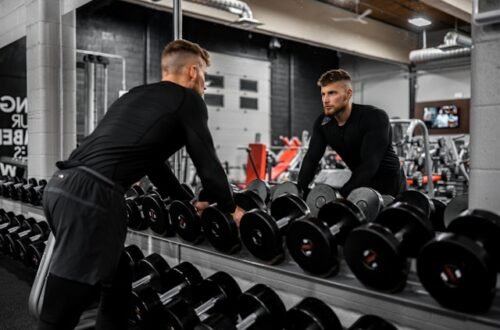
Adding resistance training into your regimen bolsters the muscles surrounding your joints, providing better support and lowering injury risks. Use free weights, resistance bands, or bodyweight exercises to build strength.
Diversify Cardiovascular Workouts
Mixing different cardiovascular exercises helps prevent routine monotony while averting overuse injuries. If your primary focus is running, consider incorporating cycling or rowing, which engages different muscle groups and distributes stress more evenly.
Pay Attention to Your Body
It’s essential to identify signs of fatigue and respond appropriately with rest and recovery. If you experience pain or excessive tiredness, allow yourself to take a break. Opting for lighter activities or complete rest can be beneficial.
To further enhance your cross-training regimen, consider the following additions:
Implement Functional Training
Exercises that mimic everyday movements, known as functional training, can enhance strength, stability, and mobility. Including such exercises in your training can improve your performance in both sports and daily tasks, minimizing risks associated with muscle imbalances.
Try Interval Training
High-intensity interval training (HIIT) can elevate your cardiovascular stamina and endurance without the prolonged strain that comes with extended workouts. However, care should be taken in how HIIT is integrated into your overall training regime to avoid overexertion.
Practice Active Recovery
Active recovery days, involving light movements like walking or gentle stretching, can facilitate muscle recovery by enhancing circulation and helping eliminate metabolic waste products, which can reduce injury possibilities.
Plan Regular Rest Days
It is essential not just to react to immediate bodily signals but also to proactively include rest days in your schedule. These breaks allow for comprehensive physical and mental recoveries, ensuring you return to training rejuvenated and less prone to injuries.
By incorporating these comprehensive strategies into cross-training, athletes can establish a well-rounded and efficient training regimen that improves athletic performance while significantly reducing the risk of overuse injuries.
Incorporating Cross-Training into Your Routine
- Begin Gradually – For those new to cross-training, slowly introducing fresh activities into your routine can prevent overwhelming your body.
- Select Complementary Activities – Choose cross-training exercises that enhance your primary sport. For instance, if running is your focus, cycling or swimming can provide effective cardiovascular benefits without additional strain on your legs.
- Establish a Balanced Schedule – Aim for a routine that combines cardiovascular training, strength workouts, flexibility exercises, and sufficient rest.
- Seek Professional Guidance – Consider consulting with a coach or personal trainer to develop a tailor-made cross-training program that aligns with your specific needs and objectives.
By adhering to these recommendations, athletes can curate a diverse and balanced workout plan that bolsters overall fitness while significantly decreasing the risk of overuse injuries.
Conclusion
Cross-training is an invaluable approach for athletes looking to prevent overuse injuries, improve overall fitness, and maintain a long, healthy athletic career. By integrating a variety of workouts into their training routines, athletes can cultivate a well-rounded fitness level that supports their primary sport while minimizing the risk of injury.


You May Also Like
Gym Belts: When to Use Them and When to Avoid Them

Essential Proprioception Exercises for Enhanced Balance and Coordination