
Exercise Guidelines for Post
The onset of menopause signifies a pivotal change in a woman’s life, bringing forth a range of hormonal, physical, and emotional adjustments. These transformations can significantly affect overall health and well-being, highlighting the necessity for women to modify their lifestyles, particularly their fitness routines, to meet the unique challenges posed by this phase. This detailed guide explores the essential considerations for exercising post-menopause, offering valuable tips and strategies to support women in cultivating a vibrant and active lifestyle during this significant life transition.
Menopause: An Overview and Its Effect on Physical Activity
Menopause is a natural biological event that signifies the conclusion of a woman’s reproductive cycle. It generally manifests between the late 40s and early 50s and is marked by decreased levels of estrogen and progesterone. This hormonal shift results in various physical and physiological transformations, such as mood swings, changes in metabolic rate, shifts in body composition, and reduced bone density. Acknowledging how menopause affects exercise is crucial for crafting a workout strategy that caters to specific personal requirements and concerns.
The Importance of Cardiovascular Activities
Aerobic exercise, commonly referred to as cardiovascular exercise, plays a crucial role in sustaining heart health, controlling weight, and enhancing general well-being, particularly during and after menopause. Regular participation in aerobic activities, such as brisk walking, swimming, cycling, or dancing, can significantly lower the risk of heart-related ailments, strokes, and other cardiovascular issues. Moreover, engaging in these activities is known to elevate mood, mitigate anxiety and depression symptoms, and enhance energy levels, empowering women as they navigate this transformative period.
Focusing on Strength Training
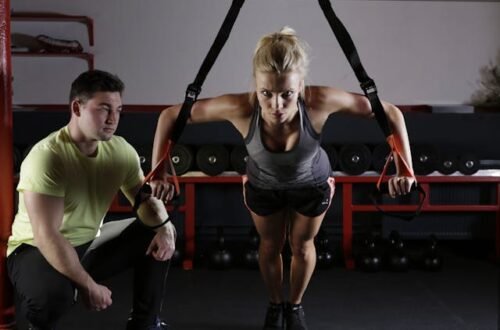
Following menopause, strength training gains importance in counteracting age-induced muscle loss—sarcopenia—and sustaining bone density. Integrating exercises that target major muscle groups, including squats, lunges, push-ups, and resistance band routines, can assist women in maintaining strength, enhancing posture, and improving overall mobility and independence. Furthermore, strength training can elevate metabolic rates, boost insulin sensitivity, and lower the likelihood of falls and fractures, making it a vital part of a balanced fitness program for menopausal individuals.

Tuning In to Your Body
A critical aspect of exercising after menopause is to stay attuned to your body’s cues and adjust your routine as necessary. Observe how you feel during and post-exercise, and modify your activities based on your unique needs and limitations. If you encounter any discomfort, pain, or unexpected symptoms, consulting a healthcare professional or fitness expert is crucial to ensure that your exercise strategy aligns with your health status and fitness goals. By paying attention to your body’s signals, you can maximize exercise benefits while reducing the risk of injury or overexertion.
The Role of Hydration and Nutrition
Proper hydration and nutrition are foundational components of any workout routine, particularly during and after menopause. It’s vital to maintain hydration by consuming enough water before, during, and after exercise to help regulate body temperature, lubricate joints, and facilitate cellular processes. Furthermore, a diet that prioritizes nutrient-dense foods—like fruits, vegetables, whole grains, lean proteins, and healthy fats—can provide the essential vitamins, minerals, and antioxidants critical for supporting bone strength, muscle function, and overall vitality during menopause.
Incorporating Flexibility and Balance Workouts
Menopause may trigger changes in flexibility, joint mobility, and balance, increasing the chances of falls and injuries. Therefore, incorporating flexibility and balance exercises into your fitness routine is vital for preserving mobility, preventing falls, and fostering overall health and safety. Activities such as yoga, tai chi, Pilates, and targeted stretching can enhance flexibility, extend joint range of motion, and elevate body awareness and coordination, particularly through practical hot mat Pilates exercises that help mitigate injury risks and support long-term functional independence.
Addressing Stress and Ensuring Rest
Menopause can bring about heightened stress levels, mood fluctuations, and sleep disturbances, which can adversely affect health and wellness. Therefore, it’s essential to integrate stress-relief practices like meditation, deep breathing, progressive muscle relaxation, or relaxing walks into your daily regimen to foster relaxation, diminish anxiety, and enhance sleep quality. Additionally, allowing adequate time for rest and recovery is crucial for muscle repair, energy replenishment, and optimal immune function, ultimately enhancing the overall benefits of exercise during this phase of life.

Consulting Professionals
While adopting an active lifestyle post-menopause is advantageous for overall health and wellness, seeking advice from qualified fitness specialists, personal trainers, or healthcare providers remains vital. These experts can evaluate individual needs, create a customized exercise plan aligned with your goals and capabilities, and advise on appropriate techniques, progression, and safety measures.
Successfully navigating exercise in the aftermath of menopause requires a holistic approach that considers the distinct physical, emotional, and hormonal shifts characterizing this stage of life. Keep in mind that exercise transcends merely physical fitness—it serves to enhance overall health, well-being, and quality of life as you move through this significant life transition.
Author Bio
Diana Smith is a devoted mother of two daughters with a keen interest in business and marketing subjects. In her leisure time, she enjoys exercising and cooking nutritious meals for her family.


You May Also Like
Motivating Clients in a Personal Training Business

Transforming Screen Time into Active Time