How Freeze
While freeze-dried meals may seem like a concept from a science fiction book, they have actually been a part of our kitchens since 1906, when dehydration techniques were first pioneered in France.
These meals are created through a freezing process that removes most of the moisture content. This dehydration technique allows for long-term storage while preserving both flavor and nutrients, especially when kept under optimal conditions. It may seem unbelievable, but it’s purely scientific—freeze-dried meals are both tasty and nutritious.
If you are embarking on a health-focused diet, consider exploring convenient freeze-dried meals for portable nutrition. They are simple to prepare, offer more health benefits than processed snacks, and are undoubtedly practical.
What Are Freeze-Dried Meals?
The freeze-drying method eliminates moisture, which helps inhibit spoilage. The result is lightweight, compact meals with a notably longer shelf life. In comparison to canning or conventional dehydration, freeze-drying effectively preserves essential vitamins and minerals. This process also prevents the growth of harmful bacteria and pathogens. If you’re curious about dehydration, explore some top-rated dehydrators available for purchase. Choosing the right equipment can greatly enhance the quality and longevity of your dehydrated foods.
The use of low temperatures during freeze-drying prevents damage to food proteins. When stored at 0° F (-18°C), these meals can remain safe for years. Upon rehydration, freeze-dried meals typically regain their original shape, flavor, and nutritional properties. Research shows that rehydrated fruits and vegetables can maintain up to 97% of their vitamins, along with their natural colors and flavors.
Due to these advantages, freeze-dried meals serve as a healthy and convenient choice for those with busy lifestyles, delivering quality nutrition without artificial additives or excessive sodium.
The Convenience of Freeze-Dried Meals
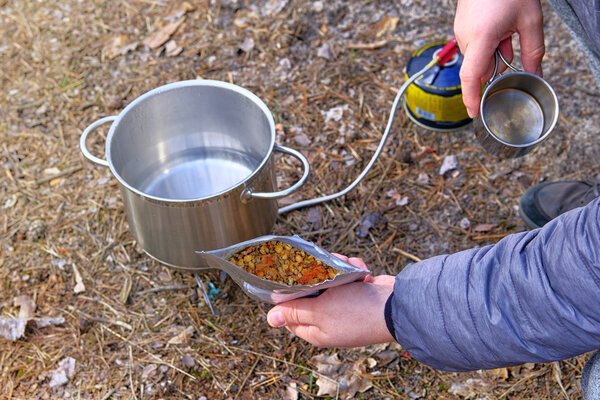
For those with hectic schedules, quick and easy meals are a necessity, and this is where freeze-dried meals excel. With just the addition of water, you can quickly prepare a nourishing meal—though it may take a few minutes to fully rehydrate.
Moreover, their lightweight and compact nature means they require minimal storage space. Their low moisture levels also contribute to an extended shelf life under ideal conditions, allowing you to stockpile your favorites without the risk of spoilage.
Popular among outdoor enthusiasts like hikers and backpackers, freeze-dried meals have seen widespread availability in grocery stores, featuring freeze-dried fruits, vegetables, and even full meals. When shopping, seek out brands that offer single-serving pouches for easy grab-and-go options.
Meal kits are also available, containing pre-portioned freeze-dried ingredients, allowing you to quickly prepare dishes such as pasta primavera or chicken curry. With minimal effort, you can enjoy wholesome, homemade meals without the extensive cooking time.
Health Advantages of Freeze-Dried Meals
The freeze-drying process is superior in retaining nutrients compared to other food preservation methods. In the absence of moisture, vitamins and minerals remain stable over time. Studies reveal that rehydrated freeze-dried fruits and vegetables retain much of their vitamin C and beta-carotene, especially when contrasted with fast food which often loses nutritional value during processing.
Beyond standard offerings, various brands provide gluten-free and vegan freeze-dried options to accommodate different dietary preferences. There are also low-sodium varieties available for those who are health-conscious. Additionally, some brands utilize organic ingredients without artificial preservatives, colors, or flavors.
With their dense nutrient profile, integrating freeze-dried meals into your diet simplifies healthy eating. Pairing these ingredients with fresh foods results in a more wholesome alternative to typical quick meals that are often less nutritious.

Incorporating Freeze-Dried Meals into Your Diet
Incorporating freeze-dried foods into your meals can promote balanced nutrition and a healthy lifestyle. By mixing these handy options with fresh ingredients, you not only enhance flavor and texture but also boost the overall nutrient content of your dishes.
For instance, consider adding freeze-dried fruits to your oatmeal for a wholesome breakfast. You might enjoy a salad topped with a freeze-dried pasta or rice dish, paired with fresh greens. For dinner, a freeze-dried chicken meal can easily come alive with the addition of fresh vegetables and a splash of olive oil.
Practical Tips for Freeze-Dried Meals
Though they tend to be more expensive than some ready-made options, freeze-dried meals can be budget-friendly, especially if purchased in bulk. Here are a few tips to keep in mind:
- Prioritize reputable brands that clearly state their ingredients and nutritional information.
- Terms like “raw” and “cold-processed” generally indicate minimal processing; aim for whole food ingredients over artificial additives.
- Seal pouches promptly and adhere to storage recommendations to maximize longevity.
- Even though freeze-dried meals are lightweight, they are nutritionally dense, so portion sizes may be smaller compared to many prepared foods.
By trying different freeze-dried products, you can uncover cost-effective options that align with your taste and dietary requirements.
Conclusion
For anyone aiming for healthy eating while maintaining convenience, freeze-dried meals are a valuable asset. They maintain the nutritional benefits of fresh food, are simple to prepare, and offer an impressive shelf life.
Whether you are a busy professional, a health-conscious individual, or simply someone seeking practical meal solutions, these meals meet a range of needs. Nutritious, adaptable, and inclusive of various dietary requirements, they are an excellent option for everyone.


You May Also Like
The Health Benefits of Fiber

Choosing Healthy Foods for Quick Health Improvement