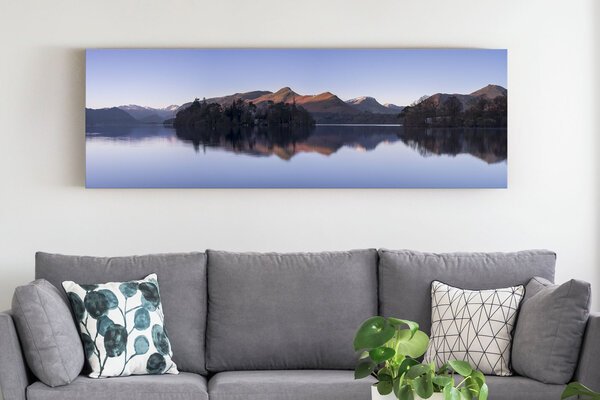
How Living Room Art Enhances Your Wellbeing More Than You Think
When considering ways to enhance our health, we often prioritize aspects like diet, physical activity, and sleep. However, we frequently overlook the visual surroundings we encounter daily. The artwork adorning our walls plays a significant role—it is not merely decorative but influences our environment, mood, and how we experience our homes.
As many of us spend a significant amount of time indoors, particularly in communal areas like the living room, this space serves as a sanctuary for relaxation after a busy day. It is also where we connect with family, engage with our devices, enjoy movies, and entertain guests. This transitional area, bridging the buzz of the outside world and our home life, impacts our well-being more than we realize. Let’s delve into how art in your living room could be enhancing your mental health more than you think.
The Impact of Visual Environments on Emotion
Studies in environmental psychology reveal that our repeated visual stimuli can affect our emotional baseline. Images featuring natural elements—like serene landscapes, watery vistas, and expansive views—tend to correlate with lower stress levels and improved emotional states. This phenomenon is linked to the concept of “attention restoration,” which provides evidence that calming visuals can help our brains recuperate from mental fatigue.
In essence, certain images require minimal cognitive effort. A tranquil seascape, a fog-laden forest, or a broad mountain range offers viewers a chance to unwind visually. On the contrary, chaotic or highly contrasting images may overwhelm rather than calm our senses.
Color also plays a critical role in setting our emotional state. Cooler shades like blues and greens promote tranquility, while softer neutral tones can foster balance. While bold artwork is not necessarily detrimental, opting for pieces that contribute to a serene atmosphere is beneficial in creating a restful space.
The Emotional Weight of the Living Room
The living room is crucial in establishing the overall emotional atmosphere of a home. Being typically the largest and most frequently utilized space, its visual characteristics significantly impact the home’s mood.
If the living area presents a visually chaotic environment, it can perpetuate the feeling of busyness often carried from outside. In contrast, carefully curated artwork can cultivate a more peaceful ambiance. A single large photographic piece featuring depth and perspective can serve as a grounding focal point rather than fragmenting the space.
Additionally, the scale of artwork is significant. Multiple small, competing frames can introduce high energy but may also contribute to visual overload. A thoughtfully selected piece that showcases spaciousness, balance, and a clear horizon can create a more harmonious feel.
Nature Imagery and “Soft Fascination” Concept
One of the most definitive findings regarding well-being emphasizes the restorative benefits of nature. While outdoor experiences are unparalleled, even images depicting natural settings can trigger similar emotional responses, often referred to as “soft fascination,” wherein the mind remains engaged yet relaxed.
Wall art in the form of photographs is particularly valuable in this regard. By capturing real places and moments in time, photography can elicit a sense of presence. For instance, an ocean view showcasing an endless horizon can create an illusion of spaciousness within a confined area, while a forest scene can introduce layers and depth that contrast effectively with straightforward wall surfaces.
It’s essential to clarify that this does not advocate for transforming your living area into a nature-themed room; rather, it emphasizes the importance of subtle indicators. An artwork that conveys distance, tranquility, or natural illumination can significantly alter a room’s perception.

Thoughtful Selection Over Mere Décor
Often, wall prints are selected as an afterthought to simply occupy empty spaces. However, when artwork is chosen with care, it becomes integral to the emotional landscape of the room.
Consider asking yourself a few essential questions:
- Does this image evoke relaxation or excitement?
- Does it offer a visual respite?
- Does it harmonize with the existing lighting and color scheme?
Many online art galleries feature curated selections specifically for shared spaces, making it easier to find photography, paintings, or digital art that enhance your decor style. For instance, Fotoviva Art Prints provides a range of photographic art tailored for living areas.
The most critical aspect lies not in the brand or cost but in how well the artwork aligns with the atmosphere you envision.
Practical Strategies to Enhance Your Living Room’s Restorative Qualities
If you aim to foster well-being through your home environment, keep the following tips in mind:
- Opt for visuals that possess depth—like expansive skies or water features—with perspective.
- Steer clear of overly complex compositions if tranquility is your goal.
- Hang artwork at eye level for better visual balance.
- Ensure the hues in the artwork complement the colors of your furnishings and walls to lessen contrast.
- Choose a strong centerpiece instead of multiple competing pieces.
Implementing these changes doesn’t require a complete overhaul. Sometimes, swapping out a single piece of art can significantly transform the ambiance of a room.
The Subtle Influence of Art on Daily Well-Being
Well-being seldom stems from a single, monumental change; rather, it is shaped by a series of small yet consistent influences. These include the natural light in a room, the ambient noise, the comfort of your furniture, and perhaps, more than we realize, the artwork that fills our everyday spaces.
Your living room serves as a retreat for rejuvenation. When the artwork you choose fosters calmness, harmony, and a sense of spaciousness, it likely contributes to your well-being in ways you may not have consciously acknowledged.


You May Also Like

Selecting the Ideal Narrow Wheelchair for Your Needs

The First 30 Days of Sobriety: What to Expect After Quitting Alcohol