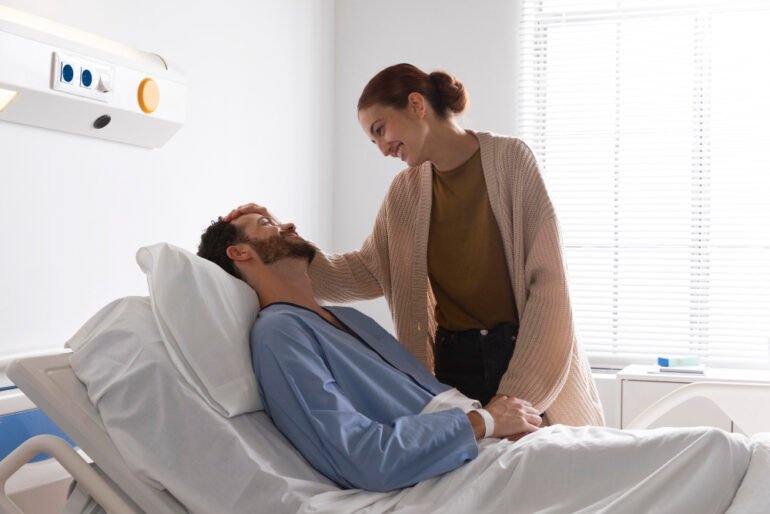
How Minimally Invasive Surgery Promotes Faster Recovery and Overall Wellbeing
Contemporary surgical practices extend beyond merely addressing a specific health issue; they incorporate an understanding of the body’s healing process and its restoration of strength post-surgery. In the past, traditional operations often necessitated extensive incisions and prolonged recovery times, which significantly impacted mobility, sleep quality, and daily activities. Today, minimally invasive surgical techniques are designed to mitigate physical stress, promoting quicker and more effective healing right from the start.
This evolution not only assists in physical recovery but also enhances emotional stability, energy levels, and personal autonomy. With less trauma inflicted on the body, patients can restore their movement, build confidence, and reintegrate into their usual routines more swiftly, thus fostering overall health and wellness.
How Minimally Invasive Techniques Minimize Physical Strain
Minimally invasive surgery minimizes the extent of disturbance the body undergoes during interventions. Rather than employing large incisions that disrupt muscle and connective tissue, surgeons utilize smaller, precisely controlled entry points. This approach safeguards healthy tissue and reduces unnecessary physical trauma.
Less tissue disruption translates to decreased inflammation, reduced bleeding, and lower post-operative stress. Consequently, the body can concentrate on healing the precise area affected rather than coping with a larger surgical area. This targeted healing mechanism significantly enhances the efficiency of recovery and aids in quicker physical stabilization.
By preserving surrounding nerves, muscles, and organs, normal functionality is more effectively maintained. As a result, patients often achieve mobility more swiftly and face fewer restrictions during their recovery, aiding in a more seamless healing journey and minimizing the risk of extended physical weakness.
Advanced robotic systems enable this degree of precision in surgery. For instance, the Da Vinci radical prostatectomy, offered by facilities like Santis Health, employs single-port robotic access to lessen tissue disruption while facilitating safer and more patient-centric recovery experiences.
Early Mobility Enhances Circulation, Strength, and Functional Recovery
Initiating movement early is crucial for recovery. When patients can rise, walk, and change positions promptly, blood circulation improves, providing oxygen and nutrients essential for healing, which subsequently lowers the risk of complications like blood clots.
Movement also keeps muscles engaged during recovery. Extended periods of inactivity can lead to muscle weakness and reduced endurance. Minimally invasive techniques frequently enable patients to engage in light movement sooner, thereby helping to preserve muscle function and physical stability.
Regaining mobility fosters a sense of independence. Being able to walk unassisted, perform daily tasks, and move confidently allows patients to transition back to their normal activities. This physical advancement boosts self-esteem and mitigates the overall stress of recovery.
Reduced Pain Facilitates Better Sleep and Accelerates Healing
Pain transcends mere discomfort; it triggers stress reactions that can elevate heart rates, disrupt respiration, and hinder the body’s restorative processes. Persistent pain keeps the nervous system in heightened alertness, preventing the initiation of necessary healing mechanisms.
Minimally invasive surgical methods typically result in less tissue trauma, leading to reduced pain post-surgery. Consequently, patients often require less strong pain relief and experience fewer side effects such as grogginess or nausea, which enables clearer thinking and safer movement during recovery.
Additionally, lower levels of pain enhance the quality of sleep. Uninterrupted, deep sleep allows the body to release growth hormones essential for tissue healing, immune function, and physical restoration. Consistent and adequate rest fortifies the body’s recovery process, allowing for a quicker return to normal functionality.
Shorter Hospital Stays Enhance Emotional Wellbeing and Mental Recovery
While hospitals are necessary for care, they can disrupt normal routines with noise, unfamiliar environments, and limited privacy, making relaxation challenging. Extended hospital stays can heighten stress and slow emotional recovery.
A timely return home enables patients to recuperate in a comforting environment. Familiar settings help regulate stress and support better rest, which is beneficial for both physical and emotional recovery.
Being at home also allows patients to resume their typical daily activities. Enjoying familiar meals, sleeping in their own bed, and engaging with family contributes to a sense of normalcy that fosters emotional stability.
Emotional well-being directly influences physical healing. Lower stress contributes to enhanced immune function, improves sleep, and bolsters the body’s capacity for steady recovery.
Quicker Return to Daily Life Boosts Confidence and Independence
Minimally invasive surgery frequently shortens overall recovery periods. As physical discomfort and mobility restrictions diminish more rapidly, patients can more quickly resume their everyday responsibilities, including returning to work and managing household duties without prolonged disruption.
Engaging in familiar activities helps restore a sense of autonomy. Patients regain their ability to manage their own care, move freely, and make independent decisions, which supports both physical adaptation and emotional health throughout recovery.
Returning to regular life also reinforces self-confidence. Each ability reclaimed enhances feelings of accomplishment and diminishes uncertainty, which fosters continued recovery momentum and aids patients in re-establishing a balanced, active lifestyle.
Conclusion
Contemporary minimally invasive surgery goes beyond merely addressing a medical issue. It alleviates physical strain, shortens recovery times, and supports the body’s regain of strength with minimal disruption. By facilitating swifter mobility, improved rest, and a quicker return to everyday life, these innovations enhance both physical healing and overall well-being. This patient-centered approach transforms recovery into a more efficient, seamless process.


You May Also Like

The Mental Health Benefits of Culture

Beyond Probiotics: The Impact of Human Milk Bioactives on Gut Health