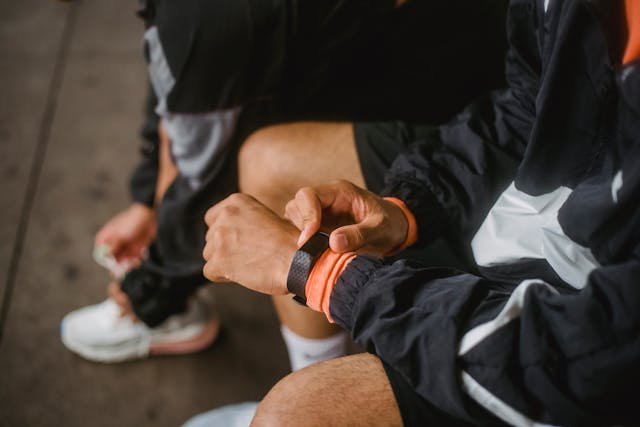
How Wearables Are Transforming Personal Fitness Goals by 2025
In recent years, wearable fitness technology has evolved significantly, moving beyond basic step trackers to become integral components that support, monitor, and enhance our health and fitness journeys. As we approach 2025, these devices have transformed into personal trainers, health gurus, and motivational companions that we wear on our wrists. By utilizing real-time analytics, tailored workout regimens, and sophisticated health tracking features, they are changing the way we set, monitor, and accomplish our fitness objectives.
Real-Time Analytics: Instant Insights for Enhanced Workouts
One of the most impactful features of modern wearables is their capacity for providing real-time analytics. Regardless of whether you’re jogging, biking, or strength training, these devices deliver immediate feedback to help maintain your performance and enhance your efficiency.
For instance, pacing and heart rate statistics are crucial for runners; they help ensure you maintain an optimal state to maximize efficiency and avoid fatigue. In strength training, calorie expenditure tracking and monitoring heart rate variability enable adjustments to your workout intensity in real-time, aligning your efforts with your objectives, such as losing fat or building muscle.
Additionally, real-time notifications function like virtual trainers. If your heart rate escalates beyond recommended levels, you’ll receive a prompt to ease up. Conversely, if you’re falling behind on calorie burn, you’ll be encouraged to push your limits. This immediate insight guarantees that each workout aligns with your body’s requirements at that precise moment.
Picture concluding a workout and gaining not just insight into calorie burn but also understanding how well you stayed within your target zones. This level of feedback fosters motivation, ensuring that every movement—whether it’s a step, rep, or pedal stroke—brings you closer to achieving your health aspirations. A well-optimized tracker, such as the Fitbit Charge 5 Strap, plays a vital role in delivering precise and reliable feedback throughout your day.
Personalized Workout Plans: Your Wearable Fitness Coach
The era of one-size-fits-all workout schedules is over. Contemporary wearables use AI-based technology to create personalized programs tailored to your individual fitness level, aspirations, and preferences.
For instance, a running regimen may incrementally increase your distance or speed based on your performance data, allowing for effective training while minimizing injury risks. If strength training is your focus, these devices can track fatigue levels and muscle recovery, ensuring your routine maximizes gains while providing adequate recovery time.
The adaptability of these custom plans is a remarkable feature. If you’re recovering from a strenuous workout or haven’t slept well, your device may suggest a gentler day of yoga or active recovery. Conversely, if you’re consistently exceeding your targets, it might encourage you to elevate your training.
Thanks to AI-driven wearables, your fitness plan evolves as you do, functioning like a personal trainer that’s always by your side, ready for action.
Health Monitoring: The Next Frontier in Fitness and Preventive Care
Wearables have extended their capabilities far beyond merely tracking workouts; they now offer advanced health monitoring features that empower users to take a more proactive role in their overall wellbeing.
Indicators like heart rate variability, blood oxygen saturation, and sleep quality provide deeper insights into your body’s needs. For instance, analyzing your sleep patterns can enhance recovery and boost energy levels, thus improving workout effectiveness. Monitoring stress and recovery ensures you avoid overexertion and potential burnout.
This proactive approach allows users to identify patterns before they escalate into significant issues. If your wearable detects signs of undue fatigue or increased stress, it can suggest necessary changes—whether that involves swapping an intense workout for a lighter alternative or incorporating mindfulness and proper hydration into your routine.
By combining fitness regimes with health monitoring, wearables enable users to achieve optimal results while protecting their overall wellbeing.
As we move further into 2025, wearable fitness technology is now more sophisticated and user-friendly than ever, altering the way individuals approach setting and reaching their personal fitness milestones. Through real-time analytics, personalized workout plans, and comprehensive health monitoring, wearables do more than track progress—they enhance it.
Whether you’re a seasoned fitness enthusiast or just embarking on your health journey, wearables provide essential tools and insights to ensure your success. By translating data into actionable steps, they ensure that every effort you make contributes to reaching your best self.
With an ideal wearable, such as a well-fitted Fitbit Charge 5 Strap, you won’t just maintain an active lifestyle—you’ll be ahead of the curve, achieving every personal fitness goal as we progress through 2025 and beyond.


You May Also Like

Why Do I Sweat Excessively During Workouts?

Fostering a Mindset for Sustained Success in College Womens Basketball