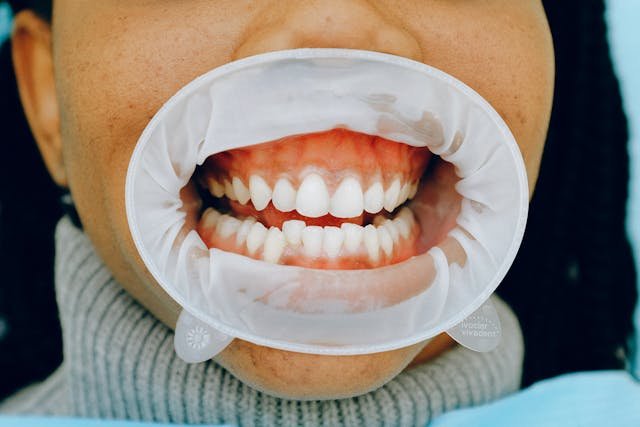
Is Teeth Whitening Safe with Gum Recession?
A radiant smile remains among the most sought-after cosmetic dental enhancements in Australia. However, if you’re dealing with gum recession, you may find yourself questioning the safety and feasibility of pursuing teeth whitening. The answer is affirmative: teeth whitening can be performed safely with gum recession, provided that it is approached cautiously and guided by a dental professional.
Prior to embarking on any whitening procedure, it is crucial to have an assessment of your gum health undertaken by a skilled dental team, such as Clover Dental. The changes brought about by gum recession affect the tooth structure and expose areas that respond differently to whitening products, making a customized plan essential.
This article outlines the implications of gum recession on the whitening process, associated risks, and methods for safely achieving a brighter smile.
Understanding Gum Recession
Gum recession occurs when the gum tissue retreats from the tooth, revealing more of the tooth’s surface, and occasionally the root. This process can develop slowly and may go unnoticed in the early stages. Common contributing factors include:
- Periodontal disease
- Harsh brushing techniques
- Teeth grinding or clenching
- Aging
- Orthodontic adjustments
- Genetic predisposition
With receding gums, the tooth’s protective enamel may no longer cover the complete visible surface, leaving dentine—the softer layer underneath the enamel—exposed.
How Gum Recession Affects Whitening
Teeth whitening solutions primarily target enamel. Professional whitening agents typically contain hydrogen peroxide that permeates enamel to break down stain particles. However, exposed root surfaces respond differently, which is important to understand:
- Root Surfaces Are Different – The roots are covered in cementum rather than enamel. Cementum is thinner and more porous, which allows for quicker absorption of whitening agents, but the whitening outcome is less predictable. Often, roots may not whiten significantly at all.
- Heightened Sensitivity – Gum recession frequently results in tooth sensitivity, as the dentine contains tiny tubules connected to the nerve. The use of whitening products can temporarily exacerbate this sensitivity.
- Potential for Gum Irritation – Should the whitening gel contact already compromised gum tissue, it could lead to irritation or discomfort. This risk is especially pertinent with generic, over-the-counter kits that do not offer custom-fitting trays.
Is Whitening Safe With Gum Recession?
In many instances, the answer is yes, provided a thorough dental evaluation precedes any whitening application. The primary considerations include:
- Is the gum recession stable or worsening?
- Is there active gum disease present?
- What is the level of tooth sensitivity?
- How extensive is the exposed root area?
If active gum disease exists, it’s advisable to delay whitening until treatment is completed, as oral health should take precedence over cosmetic procedures. Your dentist may also suggest desensitizing treatments prior to whitening to alleviate discomfort.
Choosing Between Professional Whitening and Home Kits
If gum recession is a concern, professional whitening is strongly preferred over store-bought or online kits.
Professional Whitening
- Custom trays reduce the likelihood of gel contacting gums
- Controlled concentrations of the whitening gel
- Monitoring of treatment duration
- Desensitizing options available
- Adjustments made based on individual sensitivity
Home Whitening Kits
- Standardized trays that may not fit well
- Higher risk of irritating the gums
- No professional supervision
- Inconsistent results possible
With gum recession, precision is key. Poorly fitting trays can lead to whitening gel pooling around sensitive root areas and along gumlines, worsening irritation and sensitivity.
Coping with Sensitivity During Whitening
- Using desensitizing toothpaste for 2 to 4 weeks prior
- Spacing treatments further apart
- Shortening the duration of whitening sessions
- Utilizing lower-concentration whitening gels
- Applying fluoride or remineralizing agents
While temporary sensitivity is common among all patients, even those without gum recession, careful management can greatly reduce discomfort.
What If Whitening Isn’t the Optimal Choice?
In certain circumstances, whitening may not achieve the anticipated results, especially if exposed roots still appear darker than the enamel. Other cosmetic alternatives might include:
- Composite Bonding – Tooth-coloured resin can be applied to the root surfaces to create a cohesive appearance.
- Veneers – For more significant cosmetic issues, veneers provide a consistent color and coverage.
- Gum Grafting – In cases with severe recession, a gum graft may be recommended not only for aesthetics but also for protection before proceeding with any whitening.
A thorough consultation with your dentist will clarify which approach best meets your oral health and aesthetic desires.
When Whitening Should Be Avoided
You should refrain from teeth whitening if you have:
- Active periodontal disease
- Severe unaddressed sensitivity
- Substantial exposed roots
- Cracked enamel
- Ongoing inflammation of the gums
Teeth whitening should ideally be the final step within a comprehensive oral health plan, not the initial one.
Post-Whitening Long-Term Care
Should you decide to proceed with whitening, it’s crucial to sustain the results while safeguarding your gums:
- Use a soft-bristled toothbrush
- Avoid aggressive brushing habits
- Keep up with regular professional cleanings
- Address grinding with a nightguard if needed
- Limit consumption of stain-inducing foods and beverages
The most important aspect is to continually monitor your gum health, as recession is not reversible on its own and preventing further progression is vital.
In Conclusion
Indeed, teeth whitening is achievable for those with gum recession, but it requires careful execution under the supervision of a professional. Prioritizing gum health is paramount. A personalized assessment will ensure that whitening is safe, effective, and designed to minimize sensitivity while protecting exposed root surfaces.
If you’re contemplating whitening and have noticed your gums receding, schedule a consultation first. With the right strategy, attaining a brighter smile is entirely possible without jeopardizing your long-term oral health.


You May Also Like

Best Water Filter for Families with Children

Healthy Circulation: Lifestyle Habits to Safeguard Your Veins with Age