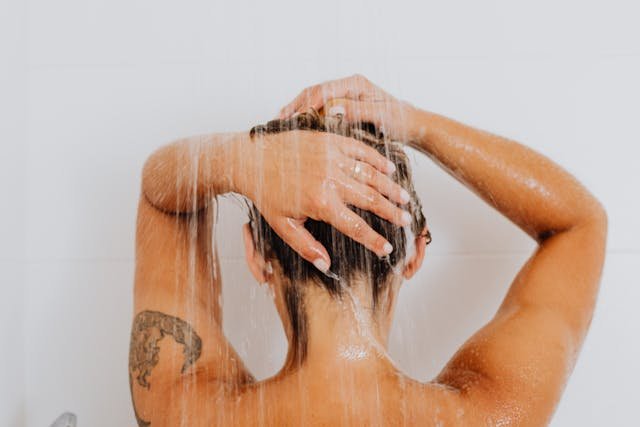
Is Your Shampoo Harming Your Hair? Ingredients Women Should Avoid
Many women rarely consider the ingredients in their shampoo until they experience hair problems. Have you ever wondered what’s actually inside that bottle you wash your hair with several times a week? Typically, shampoos contain an array of 10 to 30 chemical compounds, some of which can be detrimental to women’s hair.
The Importance of Understanding Hair and Ingredients
Women’s hair differs significantly from men’s. While our strands are generally finer, we have a greater number of them. Hormonal fluctuations affect our hair growth cycles, and our scalps produce varying amounts of oil throughout the month. As a result, harmful ingredients tend to impact our hair more severely due to these variations.
Visualize each strand of hair as being covered in tiny scales, similar to roof tiles. Aggressive shampoo ingredients force these scales apart, revealing the core where your hair’s resilience and color reside. Once these are compromised, repairing them becomes a challenge.
Sulfates: Ingredients to Steer Clear Of
Do you enjoy that foamy lather when washing your hair? That’s likely Sodium Lauryl Sulfate (SLS), which can be harmful to your hair. SLS goes beyond simply cleansing; it wipes away all your natural oils. This is particularly damaging for colored hair as it accelerates color fading. If you have curly hair, SLS can wreak havoc on your natural curl pattern.
Although Sodium Laureth Sulfate (SLES) may appear milder, it still poses risks. After SLES strips your scalp, your skin may overproduce oil in response, leading you to cleanse more frequently, thus exacerbating the issue.
The Drawbacks of Silicones
While products containing dimethicone provide instant smoothness, the reality is that silicones envelop your hair like plastic, concealing damage rather than repairing it.
The most significant issue is that many silicones fail to rinse out entirely, leading to buildup that hinders moisture absorption in the hair shaft. This is particularly problematic for women with fine hair, as silicones can make hair appear flatter and less voluminous.
Preservatives to Watch Out For
Parabens, including methylparaben, propylparaben, and butylparaben, have earned a bad reputation for a reason. These preservatives can mimic estrogen in the body, and studies have found parabens in breast cancer tissue. Research is ongoing, but why take the chance?
Even more unsettling are formaldehyde-releasing preservatives, which can be found under names like DMDM hydantoin and quaternium-15. These compounds gradually release formaldehyde—a substance also used as a preservative in mortuaries—into your shampoo to prevent bacterial growth.
Synthetic Fragrances and Dyes
Noticing the term “fragrance” on your shampoo label? That single word can indicate a concoction of various undisclosed chemicals. Manufacturers are not obligated to disclose the specific contents in their fragrance blends, which can trigger headaches, rashes, and respiratory issues for numerous women.
Moreover, the artificial colors in shampoo serve no benefit for hair health. Dyes such as FD&C and D&C are simply for aesthetics and can potentially irritate your scalp.
Alcohols That Cause Dryness
While not all alcohols are harmful, those to avoid—such as isopropyl alcohol, SD alcohol, and ethanol—can evaporate quickly, leaving your hair thirsty. Women with dry or curly hair should be particularly cautious of these ingredients.
Conversely, cetyl alcohol and stearyl alcohol, both derived from plants, provide moisture and softness despite their names suggesting otherwise. Same term, drastically different effects.
Evaluating Anti-Dandruff Treatments: Beneficial or Detrimental for Women?
Have you noticed your dandruff symptoms worsen prior to your menstrual cycle? This is a hormonal phenomenon that complicates the selection of anti-dandruff products for women.
Zinc pyrithione is effective when used alongside supportive ingredients. The best results are achieved when it’s combined with nourishing botanicals that alleviate dryness.
The Balancing Shampoo excels in this regard, containing zinc pyrithione alongside botanical extracts designed to nurture your scalp. It boasts a pleasant scent and doesn’t strip color or leave hair feeling dry. Users have reported fewer breakage episodes, a soothed scalp, and healthier-looking hair without harsh chemicals.
Although selenium sulfide combats dandruff effectively, it can alter the appearance of colored hair. Ketoconazole serves as a powerful treatment but may disturb the balance of healthy scalp microbes if used excessively.
Women experiencing postpartum hair changes or hormonal fluctuations need products that both treat and nourish. The Balancing Shampoo achieves this by managing oil levels while maintaining hair health.
Superior Alternatives
Consider sulfate-free shampoos with gentler cleansers like coco glucoside and sodium cocoyl isethionate; these effectively cleanse without stripping essential oils. Although they may not lather as much, your hair will appear healthier after consistent use.
Look for real conditioning agents like shea butter, argan oil, and panthenol (vitamin B5), which penetrate the hair instead of merely remaining on the surface.
Concerned about product preservation without harsh chemicals? Opt for sodium benzoate paired with potassium sorbate. While no preservative is without fault, these alternatives generally offer better safety profiles.
Utilizing coordinated products significantly enhances results. The Balancing Shampoo is particularly effective when used with its companion, Nourishing Conditioner, providing comprehensive care for your scalp and hair that mismatched products cannot deliver.
Deciphering Shampoo Labels
Ingredient lists are carefully curated, beginning with the most concentrated compounds first. The initial ingredients constitute the majority of what you are applying to your hair.
Be skeptical of flashy labels. A bottle that prominently displays “ARGAN OIL MIRACLE!” may contain only a trace of argan oil amidst a plethora of cheaper, harmful substances. Utilize apps like Think Dirty and the EWG’s Skin Deep to unveil the actual contents.
Choosing Better Ingredients for Healthier Hair
Your shampoo should effectively cleanse without causing damage—this is a reasonable expectation.
Avoiding harsh sulfates, silicones, dubious preservatives, artificial fragrances, and drying alcohols can cease the cycle of damage that many shampoos perpetuate, allowing your hair to heal rather than just appearing superficially restored.
Many women remain puzzled as to why their hair doesn’t improve despite trying an endless array of products. Transitioning to superior formulas, such as dandRX anti-dandruff shampoo, which properly combines zinc pyrithione with nourishing botanicals, can unveil the potential for healthy, strong, and flake-free hair.
Don’t overlook your shampoo label. Your hair deserves more than just a concoction of chemicals.


You May Also Like

Create an Affordable, Stylish Professional Wardrobe

Hidden Emotions and Toxins: The Unseen Triggers of Skin Issues