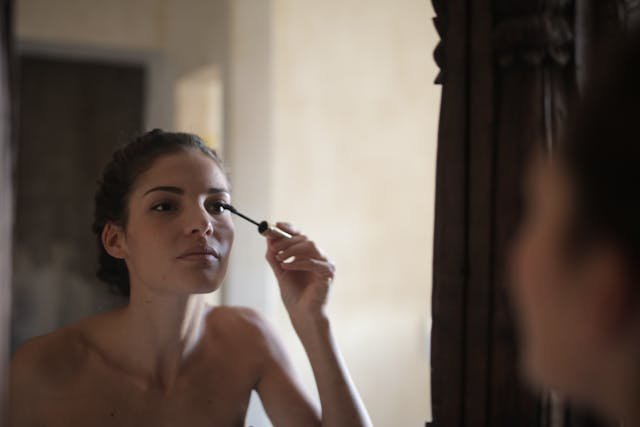
Mascaras Impact on Eye Health: A Crucial Topic in Beauty Discussions
Every day, countless women enhance their eyelashes with mascara, often without realizing the impact it may have on their eye health.
Mascara ranks among the most frequently used beauty products globally, yet discussions about its effects on ocular biology—such as the eyelid microbiome, meibomian glands, tear film, and the delicate barrier that protects the eyes—are scarce. This article is not intended to discourage beauty; rather, it aims to raise awareness. Understanding how small everyday practices accumulate over time can lead to straightforward solutions that will benefit your eyes.
Understanding the Eyelid Microbiome
Your eyelids and eyelashes are home to a variety of microbes that provide protection against pathogens and inflammation. The use of harsh preservatives, scented removers, and excessive scrubbing can disrupt this delicate ecosystem, similar to how antibacterial soap harms skin. Irritation or over-cleaning of the lash line can lead to increased inflammation and allow opportunistic organisms, like demodex mites, to infest the follicles, ultimately resulting in red, gritty, and fatigued eyes and contributing to a rise in dry eye cases among all ages.
Understanding Your Eye’s Oil System
The small pores along your lash line, known as meibomian glands, are responsible for secreting the oily component of your tears, helping to prevent evaporation of the watery layer. Waterproof mascaras, expired products, and persistent residual buildup can clog these glands. When combined with extended screen time (which reduces blinking) and the habit of sleeping in mascara, you may experience dry eyes, burning sensations, and light sensitivity—all while mistakenly seeking stronger eye drops as a remedy.
What Ingredients Are in Your Mascara?
Not all mascaras are created equally. Potential red flags in mascara ingredients include:
- Claims of long-wear or “waterproof forever” can indicate the presence of stronger film-forming agents requiring vigorous removal (leading to more rubbing).
- Certain preservatives and solvents (like parabens, phenoxyethanol, and formaldehyde releasers) may irritate the sensitive skin on the eyelids.
- Colorants such as carbon black and some coal tar derivatives can act as sensitizers, triggering allergic reactions.
- PFAS compounds (often labeled as PTFE or “fluoro-“) are found in some formulas for added slip and water resistance but can remain in the body and environment for long periods.
While individual exposures may be minimal, cumulative effects, especially near sensitive mucosal surfaces, warrant caution.
Prioritizing Hygiene Over Hype
Many eye-related issues stemming from mascara use are not due to a single “bad” ingredient but are often a result of poor hygiene practices, improper removal, and infrequent replacement.
Consider the following practices to adjust your mascara routine and protect your eyes:
- Replace your mascara every 3 months – The warm, moist environment inside the tube is perfect for microbial growth. Dispose of it sooner if it smells unusual or becomes clumpy.
- Avoid sharing mascara – Bacteria from your best friend won’t care about your close relationship.
- Do not pump the wand – This action introduces air and contaminants into the product.
- Gently remove mascara every night – Skip the scrubbing. Use a remover with minimal ingredients, rinse with lukewarm water, and pat dry without rubbing.
- Clean your lash line carefully – A few sprays of a hypochlorous-acid eyelid cleanser followed by a soft wipe along the lashes can help reduce microbial load without damaging your microbiome.
- Take breaks – Days without mascara give your glands a chance to breathe and allow the tear film to recover.

Dealing with Persistent Dry Eyes
Experiencing dry eyes isn’t simply related to the lack of lubricating drops. Consider these underlying causes and corresponding solutions:
- Meibomian gland function – If oils are not reaching your tear film, it leads to evaporation. Using gentle warm compresses (ensuring they are clean and not excessively hot) combined with light lid massages can help express the oils.
- Blink quality – Screens diminish our blink rates and effectiveness. Implement the “20-20-20” rule (every 20 minutes, look at something 20 feet away for 20 seconds) alongside deliberate full blinks.
- Overall health factors – Issues such as dehydration, mouth breathing, lack of sleep, insufficient omega-3 intake, and excessive indoor heat/air conditioning can thin your tear film. True beauty starts from within.
- Smart substitutions – Opt for “tubing” mascaras or formulas that dissolve easily with warm water, reducing friction during removal.
- Focus on shorter ingredient lists – Avoid PFAS compounds, fragrances, and formaldehyde-releasing preservatives when possible.
- Utilize fresh, non-fibrous wands or clean reusable applicators – Fibers can shed and cause irritation.
- If you wear contact lenses – Apply mascara only on the tips of eyelashes, avoiding the roots, and remove your lenses ahead of cleansing.
- If you frequently experience blepharitis, styes, or meibomian gland dysfunction – Consider reserving mascara for special occasions while working on rehabilitating your eyelids.
Beauty That Supports Eye Health
Maintaining healthy eyelashes starts from within: a diet rich in proteins, essential minerals (particularly zinc), vitamin A, collagen, gelatin, and omega-3s nourishes follicles and promotes meibomian function. Daily exposure to natural light (without lenses blocking your view) supports circadian rhythm, which enhances tear production and overnight repair. It’s important to manage stress and prioritize sufficient sleep; the most effective antioxidant system is the one your body creates while you rest.
In conclusion
Mascara itself is not inherently harmful; rather, the oversight of essential factors is the true issue. By neglecting the eyelid microbiome and meibomian glands, we may exchange fleeting beauty for lasting discomfort. By choosing better formulas, gentler removal techniques, and prioritizing lid hygiene, one can maintain their desired look while regaining the comfort that has been overlooked.
Keep This Quick Eye Health Checklist Handy For Mascara Use
- Replace every 3 months
- Avoid sharing; do not pump the wand
- Gently remove nightly (avoid scrubbing)
- Use hypochlorous eyelid spray followed by a soft wipe
- Incorporate warm compresses and full blinks daily
- Choose tubing or easy-to-remove formulas; steer clear of PFAS
- Take breaks from mascara during flare-ups
- Stay hydrated, nourish your body, and prioritize sleep
About the Author
 Benjamin Smith is the Founder and CEO of Ultimate Health Model, a groundbreaking approach targeted at addressing the root causes of health issues. He is a certified health coach driven to share knowledge that assists individuals in achieving wellness. His upcoming book, Why Are You Sick? How to Reclaim Your Health with the Ultimate Health ModelTM (Pro Audio Voices, Inc., Aug. 20, 2025), empowers readers to thrive rather than merely survive. Visit ultimatehealthmodel.com to learn more, and find a link to his free audiobook here.


You May Also Like
The Transformative Impact of Botox on Confidence

Coconut Butter vs. Shea Butter: Which Is the Superior Moisturizer?