Mastering BBQ Seasonings and Cooking Techniques
BBQ seasonings reflect a rich blend of tradition and modern flair. For generations, they have elevated basic meat cuts into delectable culinary creations. In many regions, BBQ represents much more than a meal; it embodies a festive occasion steeped in cultural significance. To fully appreciate and master BBQ, one must comprehend the ingredients and techniques used in seasoning, as these elements play a critical role in shaping the flavor profiles and overall quality of the dishes. BBQ seasonings contribute layers of flavor and richness, making them essential for crafting savory, enjoyable dining experiences.
This article explores key ingredients, the interplay of traditional spices with contemporary flavor enhancers to achieve harmonious tastes, and the art of creating tailored blends suited to both regional specialties and personal preferences. We will also delve into effective marinating methods for meats and vegetables to maximize flavor absorption, alongside cooking techniques such as smoking and grilling which further accentuate these seasonings. Lastly, we will examine how to pair the right BBQ seasonings with various dishes to ensure a delightful dining experience at every BBQ gathering.
The Building Blocks of Flavor: Key Ingredients
A successful BBQ seasoning relies on a selection of fundamental ingredients that together yield a delectable and harmonious flavor. Staples such as paprika, black pepper, garlic powder, and onion powder create a comforting base flavor. Salt and sugar are also crucial for intensifying flavors and balancing savory with sweet elements.
Furthermore, flavor enhancers like smoked salts, liquid smoke, and spices including cumin and coriander introduce additional depth and intricacy. Each component serves a distinct purpose, infusing heat, earthiness, or subtle notes of sweetness and tanginess into the seasoning blend. This intricate balance results in a richly-layered seasoning that amplifies the overall taste of BBQ dishes. By grasping the contribution of each ingredient, one can truly appreciate the craft involved in developing a seasoning that tantalizes the taste buds.
Personalizing Flavor: Custom Blends and Regional Varieties
Designing personalized BBQ blends provides a unique cooking journey. Whether catering to individual preferences, dietary restrictions, or regional influences, custom mixtures can make every dish stand out. For aficionados of particular flavors, combining classic spices like paprika and mustard with distinctive elements such as smoked salts or chipotle can yield remarkable taste variations.
Addressing dietary considerations, such as reducing sodium or utilizing gluten-free options, can be achieved by thoughtfully selecting spices. Moreover, regional styles—like the robust, smoky character of Texas BBQ or the tangy mustard kick of South Carolina—can inspire custom blends that embody local heritage.
The Art of Marination: Elevating Flavor Penetration
The process of marinating meats and vegetables aims to enhance both flavor and tenderness through effective infusion of BBQ seasonings. A successful marinade typically consists of acids, such as vinegar or citrus juice, which help tenderize the meat. Oils facilitate even distribution of the seasonings, while incorporating fragrant herbs, potent spices, and a touch of sweetness or salt enriches the flavor profile.
Allowing the food to marinate for several hours, or preferably overnight, is crucial for letting the flavors meld thoroughly. Using a zip-lock bag or a sealed container ensures that the marinade covers all surfaces of the food effectively. This practice can significantly elevate your grilled offerings, making them memorable for everyone. Both novices and seasoned cooks can benefit from these insights to enhance the flavors of their meals.
Cooking Methods: Amplifying Seasoning Effects
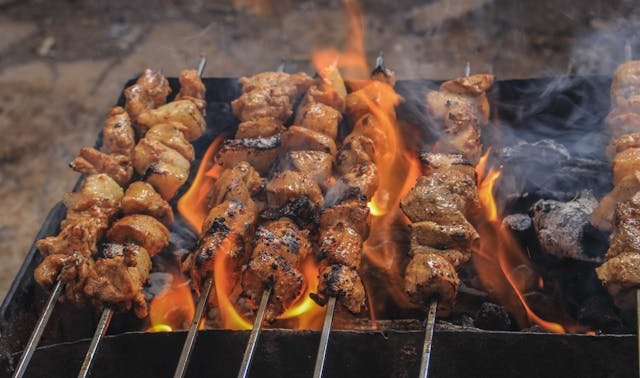
Various cooking techniques such as smoking, grilling, and slow-cooking play a notable role in how BBQ seasonings interact with food, intensifying the overall flavor. For example, smoking introduces deep, rich, smoky notes that complement the spices and herbs beautifully. Grilling, with its high heat and direct flames, creates a flavorful crust that encapsulates the spices.
Slow-cooking allows flavors to slowly permeate the meat fully, ensuring an even seasoning experience with every bite. Each method uniquely influences both taste and texture, providing complexity to the final dish. Understanding how these cooking styles affect the seasoning can lead to smarter choices that amplify the flavor of your BBQ creations.
Harmonizing Flavors: The Perfect Pairing of Seasonings and Dishes
Knowing how to pair BBQ seasonings with various dishes can take your cooking to the next level. Each protein, seafood, and vegetable boasts distinct flavors and textures, making the selection of the right seasoning critical. For instance, bold and smoky seasonings are ideal for beef brisket, enhancing its robust flavors, while a lighter, citrus-based seasoning complements seafood like shrimp or salmon, accentuating their natural sweetness.
Vegetables also benefit from thoughtful seasoning choices; consider bell peppers tossed with paprika and garlic powder, grilled to perfection. Acknowledging these nuances provides a flexible approach to BBQ, ensuring that all components of your meal work in harmony, resulting in a satisfying dining experience.
Mastering BBQ seasonings can elevate your grilling endeavors to extraordinary culinary heights. By understanding the core ingredients, you can create well-balanced and flavorful rubs and marinades that enhance simple meats and vegetables. Customizing your blends to reflect personal tastes or regional influences adds a unique flair, while effective marination techniques facilitate deeper flavor absorption. Employing varied cooking methods like smoking and grilling further enriches the seasonings, leading to delightful and intricate dishes. Thoughtful pairing of seasonings with different foods guarantees a cohesive BBQ spread, celebrating the joy of both flavor and tradition in every bite.


You May Also Like

Can Personalized Nutrition Eliminate Fad Diets?
Creating the Perfect Instagram