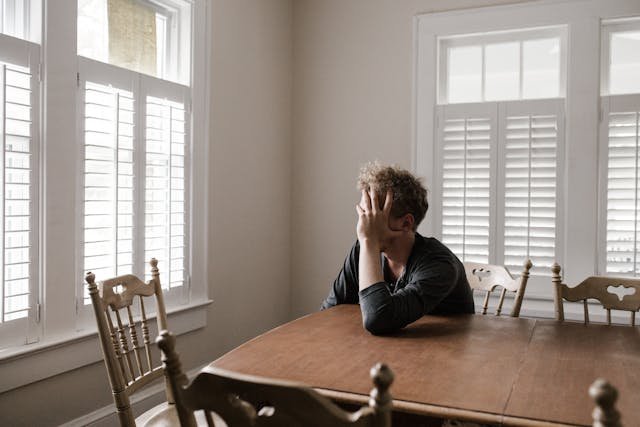
Men, Loneliness, Anger, and the Role of Mindfulness
Many men experience loneliness in a subtle and gradual manner. Whether a friendship dwindles, work demands increase, or family life becomes strained, these changes accumulate silently. Consequently, over time, a disparity emerges between a man’s internal feelings and his external persona. Although he continues to perform his daily functions, feelings of isolation lurk just beneath the surface.
For many men, anger often serves as a means of coping with this internal pressure. While it can be easy to view anger as a behavioral concern, it frequently signifies emotional overwhelm. Behind the irritation lies exhaustion, feelings of disconnection, and the burden of handling too much alone.
This pattern is further reinforced by societal expectations. Men are taught to remain strong, refrain from burdening others, and suppress their emotional struggles. With limited outlets for emotional expression, stress builds up. Practicing mindfulness provides a proactive method to acknowledge internal states before they escalate.
Understanding Loneliness
Loneliness does not always manifest as physical solitude. Many men experience feelings of loneliness even while engaged in relationships, parenting, or working closely with others. This emotional state typically manifests in three primary ways.
Social Isolation
As life becomes busier, friendships may begin to fade. Regular catch-ups can quickly turn into brief messages or isolated check-ins. Despite being surrounded by others, many men find they lack someone they can truly confide in.
Emotional Isolation
Men may share daily tasks and responsibilities without ever opening up about their feelings. The fear of seeming weak often leads them to conceal their emotions. Even in intimate relationships, men can feel invisible to those around them.
Strain in Relationships
As communication falters, emotional distances can widen. Withdrawal may seem like a strategy for coping, but it often exacerbates feelings of loneliness, creating a challenging cycle that can be difficult to break.
When Loneliness Transforms into Anger
Anger frequently masks more vulnerable emotions such as sadness, shame, or a sense of being unappreciated for one’s efforts.
A man in his forties might react sharply to minor annoyances, masking the deeper pain of an unaddressed breakup. His hesitation to share this hurt stems from a fear of judgment.
A younger father may lash out during conflicts due to feeling overwhelmed and unnoticed. Since he hasn’t openly shared these feelings, the pressure manifests as frustration.
Mindfulness practice can assist men in recognizing these emotions before they escalate into anger.
The Effectiveness of Mindfulness
Mindfulness is not about achieving a completely clear mind but rather about cultivating awareness. This approach allows a pause between experiencing emotions and reacting, providing a moment to respond thoughtfully.
- Recognizing Early Symptoms – Anger often manifests physically first, through tense shoulders, shallow breathing, or a clenched jaw. Mindfulness helps detect these early signs.
- Mitigating Conflict – Taking a brief pause can help avert unnecessary clashes. Asking oneself, “What am I truly feeling right now?” can decrease emotional intensity.
- Aligning with Core Values – Most men value integrity, stability, and reliability. Mindfulness aids in ensuring that their reactions are consistent with these principles rather than dictated by stress responses.
For guided mindfulness training, check out Mindfulness Space.
A Simple Exercise: The 3-Breath Reset
- Identify where you are holding tension.
- Take three deliberate breaths, lengthening the exhale.
- Select a response that aligns with the person you aspire to be.
Incorporating this practice daily fosters resilience before challenges arise.
Mindfulness in Everyday Situations
In Relationships
A man notices rising frustration during a discussion about household chores. Rather than reacting impulsively, he recognizes tightness in his breath. After pausing and breathing slowly, he admits that he feels overwhelmed, which shifts the conversation’s tone.
At Work
When receiving critique in a meeting, a man’s defensiveness surfaces as his chest tightens and anxious thoughts circulate. By inhaling deeply and maintaining presence, he can properly absorb the feedback, remaining grounded instead of retreating.
The Prevalence of Loneliness Among Men
Factors such as upbringing, societal standards, and workplace pressures contribute significantly to male loneliness.
Messages promoting strength and self-sufficiency lead men to suppress their emotions. Friendships often prioritize shared activities over deeper conversations, which tend to diminish as life gets busier. Work environments reward stoicism, making it challenging for men to acknowledge their stress. In personal relationships, men may withdraw to avoid conflict.
These behaviors are learned rather than innate.
Reconnecting Strategies for Men
Re-establish small connections. Reach out to a friend or participate in a new group or hobby. Consistent, minor interactions strengthen social bonds more effectively than infrequent grand gestures.
- Safe Emotional Outlets – Therapy, support groups, or talking with a trustworthy friend provide secure environments for emotional expression.
- Challenging Old Mindsets – Beliefs such as “I must handle this alone” or “I shouldn’t feel this way” can undermine emotional well-being. Mindfulness facilitates questioning these beliefs.
- Examining the Source of Anger – Inquiring, “What is this anger concealing?” leads to better self-awareness and calmer responses.
When to Consider Professional Help
Although mindfulness can be effective, there are instances that necessitate additional support. Seek counseling if:
- Anger is impacting your relationships or professional life
- You experience ongoing feelings of disconnection or despair
- You rely on substances as a coping mechanism
- You’ve attempted self-help strategies without success
- You feel uncertain about how to initiate changes
For counseling or coaching, please visit Paul Jozsef Counselling & Coaching.
The Path Ahead
Men grappling with loneliness or anger often harbor burdens that they manage alone. Mindfulness creates the opportunity to act with intention instead of reacting impulsively. Through consistent practice, men can foster connections, alleviate anger, and enhance emotional stability.
Perfection is not required—what matters is taking that first step.
Author Bio
Paul Jozsef is a therapist and mindfulness educator based in Montreal, specializing in helping men navigate their emotional health, relationships, and personal development. He combines mindfulness practices with practical tools in his private practice and through Mindfulness Space.


You May Also Like

A Brave Tale of Hidden Struggles

Supporting Someone with a Meth Addiction