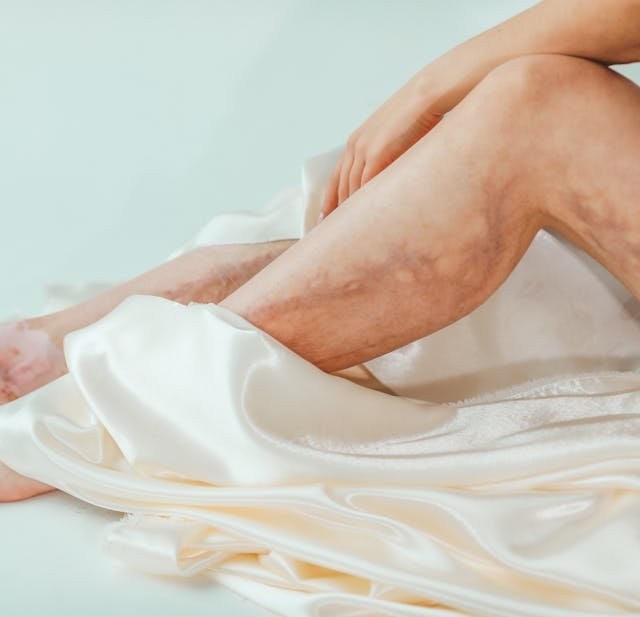
Minimally Invasive Sclerotherapy for Varicose Veins
Varicose veins affect a significant number of individuals, with both genders often feeling uneasy about these enlarged veins that can cause discomfort and itchiness. While traditional vein stripping methods were noted for their invasiveness and prolonged recovery, advancements in modern treatments have led to improved and less painful options. Current techniques, like sclerotherapy, offer quicker, more effective, and more comfortable solutions.
What Is Sclerotherapy?
Approximately 20% of adults in the United States experience varicose veins, and many look towards sclerotherapy as a viable remedy. This fast procedure, often completed in less than an hour, involves the physician administering a medication directly into the problematic vein.
After the injection, the vein forms scar tissue, causing it to collapse, which allows blood to reroute through adjacent healthy veins. Over time, the treated vein is reabsorbed by the body, resulting in its disappearance. While some veins may require two to three sessions, all treatments are minimally invasive.
Advanced Sclerotherapy with Ultrasound-Guided Foam
The techniques employed in sclerotherapy are continuously advancing. Some clinics, such as the Central Florida Vein and Vascular Center offer ultrasound-guided foam sclerotherapy.
This innovative approach utilizes real-time ultrasound to identify and inject deep veins, primarily in the legs. A foam solution decompresses the blood, allowing the medication to more effectively target the vein wall.
Moreover, the sclerosants utilized for vein closure are being refined. Newer medications such as Varithena minimize the risk of side effects, including headaches or visual issues.
Is Sclerotherapy Effective and Safe?
Due to its minimally invasive nature, sclerotherapy benefits most people suffering from varicose or spider veins. With a success rate ranging from 80% to 90% , this treatment is notably effective. Generally regarded as safe for most individuals, it is not advisable during pregnancy.
Consulting a vein specialist is essential to determine if sclerotherapy is the right option for you. Typically, an initial venous reflux test—a brief and painless ultrasound—will be performed to gauge the extent of the venous insufficiency causing the varicosities. Your doctor will utilize this information to recommend the most appropriate treatment options.
What to Expect Before, During, and After the Procedure
In the days leading up to treatment, it is advised to steer clear of medications like ibuprofen and other anti-inflammatories, as well as antibiotics and any dietary or herbal supplements. Avoid shaving or applying lotion to the targeted area.
During your appointment, the clinical team will prepare the area by disinfecting it, after which the physician will administer the solution into the vein. Specialists may guide injections into deeper veins using ultrasound, while surface veins can often be treated with visual inspection. The entire procedure usually takes between 30 minutes to one hour, and most patients describe only a mild sensation from the needle.
Post-procedure, it is recommended to refrain from hot baths or showers, engaging in vigorous exercise, and applying lotion for a period of 48 hours. It is also advised not to use anti-inflammatory medications during this recovery phase. Your doctor may suggest wearing compression stockings for a couple of weeks to help manage swelling.
Patients may experience mild pain, itching, or swelling in the injection area, but these symptoms typically resolve rapidly. Bruising or skin discoloration may occur, with some persistence over time. Though rare, some individuals report headaches or visual disturbances. It is essential to seek medical advice if you have any concerns.
What Is the Best Treatment for Varicose Veins in Orlando?
In Orlando, the treatment options for varicose veins are tailored to the individual’s diagnosis and the services available at the clinic. As with any medical procedure, the expertise and experience of the physician are crucial. Always verify credentials when choosing a venous treatment center.
Dr. Horowitz, the founder of the Central Florida Vein and Vascular Center, is recognized as one of the few hundred physicians nationwide to achieve Diplomate status with the American Board of Venous and Lymphatic Medicine, underscoring his expertise in this specialty.
The center provides a variety of treatment options, including:
- Sclerotherapy
- Ultrasound-guided foam sclerotherapy
- Endovenous laser treatment (EVLT)
- Venaseal therapy
- Microphlebectomy
Following an initial consultation and diagnostic ultrasound examination, your physician will recommend the most suitable treatment.
With four accessible locations and a commitment to exemplary patient care and follow-ups, the Central Florida Vein and Vascular Center stands out as a premier option for vein treatment.
Frequently Asked Questions About Sclerotherapy
It’s natural to have numerous questions regarding any medical procedure. Below are some of the most frequently asked questions.
How Many Treatments Will I Need?
The number of required treatments depends on both the size and quantity of the veins being addressed. Some veins might vanish after a single session, especially when using ultrasound-guided foam sclerotherapy, while others may necessitate two to three treatments spaced weeks apart.
Are the Results of Sclerotherapy Permanent?
Generally, the treated vein does not return. However, this does not prevent the emergence of new varicose veins down the line. If there are still indications of venous insufficiency , your physician can suggest lifestyle modifications to reduce the probability of new veins developing.
What’s the Difference Between Sclerotherapy and EVLT?
Both methods address varicose veins but utilize different mechanisms. Sclerotherapy employs a chemical agent to seal the vein, while EVLT utilizes laser energy for the same purpose. Experts at institutions like the Central Florida Vein and Vascular Center often combine both methods, occasionally following EVLT with sclerotherapy for comprehensive treatment.
Is Varicose Vein Treatment Covered by My Insurance?
Insurance coverage can differ, so it’s prudent to review your plan. However, venous insufficiency—the leading cause of varicose veins—is a progressive medical condition often covered by insurance for diagnostics. Following diagnosis, many insurance plans will also cover treatment; however, providers may require that conservative measures like compression stockings be tried first.
A Clear Path to Vein Health
Contemporary treatments for varicose veins have significantly improved from the invasive options of yesteryear. Techniques such as sclerotherapy and ultrasound-guided foam sclerotherapy present minimally invasive, nearly pain-free treatments with notable success rates. When seeking treatment, prioritizing a qualified specialist is key. Schedule a consultation with a board-certified professional at a specialized vein center and take the next step toward healthier legs.


You May Also Like

7 Beauty Tips Moms Can Learn from Celebrity Mothers

Daily Habits to Enhance Blood Circulation and Prevent Varicose Veins