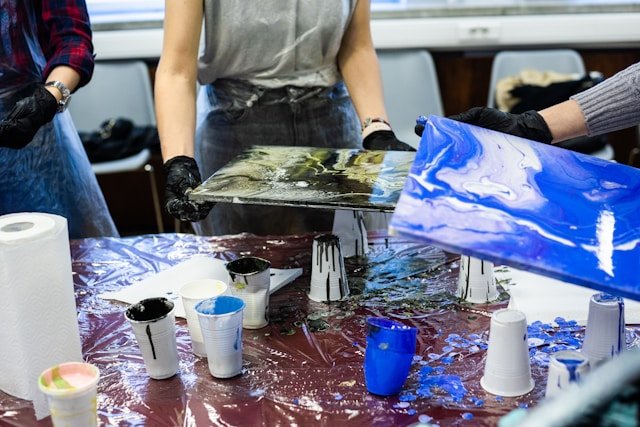
Processing Pain in Art Therapy Through Colors and Symbols
Emotional distress often eludes verbal expression. It may manifest through silence, tears, or a heavy sensation in the chest. During such times, art therapy provides a unique medium of communication carved from colors, shapes, and symbols.
Art therapy empowers individuals to convey and navigate their pain when words fall short. It creates a nurturing environment for confronting challenging emotions, traumatic experiences, and hidden feelings through artistic outlets. For many, the medium of color and symbols paves the way for recovery.
This article delves into how the incorporation of colors and symbols in art therapy facilitates the release of suffering, enhances emotional understanding, and fosters personal reconnection.
Understanding Art Therapy
Art therapy is a therapeutic practice that integrates creativity and psychological support. Conducted by trained professionals, it employs artistic methods to assist individuals in navigating emotional and mental hurdles.
There is no requirement to be an artist; the focus is not on producing aesthetically pleasing works, but on deriving meaning through visual expression. Participants engage in drawing, painting, collage-making, or sculpting to visually articulate their thoughts and feelings.
As noted by the American Art Therapy Association, art therapy fosters emotional resilience, self-awareness, and coping mechanisms, particularly for those recovering from trauma or managing conditions like anxiety, depression, or addiction 1.
The Importance of Visual Expression
Describing emotions can often be a challenge. Many trauma survivors find themselves lacking the words to articulate their pain. Some may feel burdened or intimidated by the prospect of verbalization.
This is where visual expression proves to be transformative. Through the use of colors and symbols, individuals can convey their feelings without the need for spoken words. This creative outlet serves as a connection between their inner thoughts and external expression, allowing the release of emotions that have remained unvoiced for too long.
A study conducted in 2017 published in Frontiers in Psychology revealed that trauma survivors who engaged in art therapy experienced heightened emotional regulation and a decrease in PTSD symptoms, especially when encouraged to incorporate symbolic imagery 2.
The Significance of Color in Art Therapy
Colors inherently possess the ability to convey emotions. Without verbal elaboration, a single color can encapsulate a mood, memory, or emotional state.
Common Emotional Associations with Colors:
- Red: intensity, anger, passion, fear
- Blue: sadness, calmness, solitude, peace
- Yellow: joy, hope, energy, anxiety
- Black: mourning, protection, emptiness
- Green: healing, renewal, envy
- Purple: transformation, mystery, dignity
In art therapy practices, clients often select colors instinctively. A person might use deep blue and black hues to illustrate grief, and then later introduce yellow or green as signs of emerging hope or personal growth.
Therapists gently guide clients in unpacking the meanings of each color, with the intent not to assign fixed interpretations, but to promote personal reflection and emotional liberation.
Using Symbols to Narrate Experiences
While colors can express feelings, symbols enable individuals to tell deeper narratives. They allow for the depiction of painful experiences through imagery, providing form to emotions that may otherwise feel vague or overpowering.
Common Symbols in Art Therapy Include:
- Trees: growth, grounding, ancestry
- Houses: security, childhood, domestic life
- Paths or Roads: life journey, direction, uncertainty
- Hearts: love, grief, vulnerability
- Doors/Windows: escape, opportunity, obstacles
- Water: emotions, cleansing, depth
Symbols often emerge spontaneously in the creative process. For instance, someone working through childhood trauma might depict a dilapidated house, while someone mourning a loss may draw an empty chair. These visual representations serve as metaphors—providing insight into the emotions they encapsulate.
In one therapeutic session, a client may illustrate a river obstructed by stones. Over time, the movement of those stones might symbolize progress in healing and emotional release.
The Comfort of Symbolic Distance
A significant reason colors and symbols are effective in art therapy is that they provide a layer of emotional distance. Clients can depict traumatic events in a metaphorical way rather than reliving them directly.
This symbolic distance supports the processing of painful memories without overwhelming the individual.
A 2016 study from Art Therapy: Journal of the American Art Therapy Association found that participants using symbolic imagery during art therapy sessions reported reduced levels of emotional distress and greater capacity to reflect on challenging experiences 3.
This method is particularly beneficial for those dealing with trauma or complex grief.
Case Study: Transformation Through Color and Symbols
Lena, aged 28, sought art therapy after enduring emotional abuse and found verbal expression elusive. Her therapist suggested a focus on colors.
“I started with a lot of black,” she recalls. “It was instinctive. Then one day, I added a red line across the page. That red represented anger I hadn’t allowed myself to feel before. After months, I incorporated green and yellow. I was on a path to healing, despite saying very little.”
Lena’s journey illustrates how colors and symbols can embody pain and the potential for transformation in profound, unspoken ways.
What a Session Looks Like
In a typical art therapy session directed at addressing emotional pain, the therapist might:
- Encourage the clients to select colors that reflect their feelings.
- Recommend drawing a symbol or scene based on a recent memory or dream.
- Facilitate a discussion about the art through open-ended questions, such as:
- “What do these shapes or colors convey to you?”
- “Where do you feel this emotion in your body?”
- “What additional elements would signify healing in this image?”
Clients are free to speak as much or as little as they wish, with their artwork serving as a form of communication.
Exploring Colors and Symbols at Home
While collaborating with a certified art therapist is recommended, you can also begin to explore this practice independently in your own self-care or healing journey.
Consider Trying:
- Mood Painting: Utilize only colors (no shapes or images). Paint your emotional state.
- Symbol Collage: Assemble cut-out symbols from magazines that resonate with your current feelings.
- Visual Journaling: Daily sketch an object that symbolizes your emotional state.
- Color Timeline: Create a life journey depicted through color—each chapter signified by different hues.
These creative activities can provide valuable insight and serve as a means of relief, particularly during challenging times.
Concluding Thoughts: Art as a Healing Language
Not every pain requires articulation. Sometimes, it requires color. Sometimes, it necessitates a symbol that resonates solely with you.
Engaging with colors and symbols in art therapy provides a pathway for processing emotional suffering with safety, creativity, and empathy. It allows for introspection without judgment, shaping what was once intangible and unlocking the door to recovery.
You do not need artistic talent. What matters is your readiness to express. With each brushstroke or mark made by pencil, you inch closer to comprehension, liberation, and tranquility.
References
- American Art Therapy Association. (2023). What Is Art Therapy? [https://arttherapy.org] ↩
- Haeyen, S., et al. (2017). Art Therapy and Symbolic Expression in Trauma Treatment. Frontiers in Psychology. ↩
- Kaimal, G., Ray, K., & Muniz, J. (2016). Symbol Use and Emotional Regulation in Art Therapy. Art Therapy Journal. ↩


You May Also Like

Mediation: Theoretical Beauty, Practical Risks

Beyond Probiotics: The Impact of Human Milk Bioactives on Gut Health