Promoting Active Lifestyles in Senior Living Communities Through Recreation
Today’s seniors aspire to lead fulfilling lives, emphasizing active aging as a foundational principle in senior living. This approach fosters vibrant, healthy communities and extends beyond mere physical activity to include mental engagement and social interaction. The best senior living environments are designed to support this multifaceted lifestyle.
The Three Components of a Rewarding Retirement
By integrating these three aspects, communities can provide a comprehensive view of what retirement can mean.
- Physical vitality – Whether through casual strolls or organized workout sessions, maintaining physical health is essential.
- Cognitive engagement –Mental freshness is crucial, achievable through ongoing education, hobbies, and stimulating activities.
- Social connection – Building friendships and participating in community activities can reduce feelings of isolation, benefiting emotional well-being.
What Activities Can Seniors Enjoy in Living Communities?
Increasingly, senior living facilities are crafting their programs to bolster all three components.
Custom Fitness for Every Ability
It is well-established that exercise is crucial for older adults. Immediate benefits include improved sleep and decreased blood pressure, while long-term advantages range from stronger bones to reduced risks of cancer, heart disease, and dementia. Thus, staying active is vital.
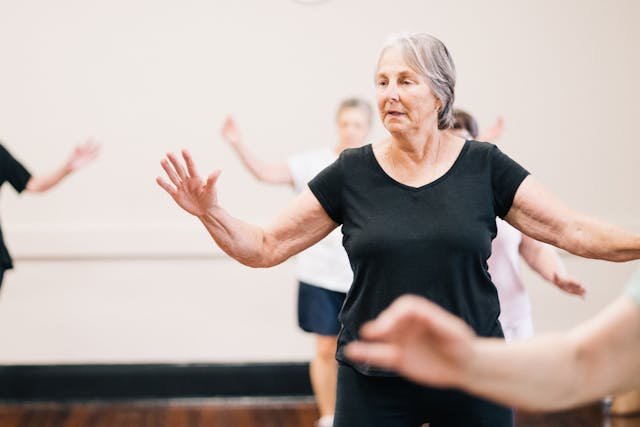
Senior living communities typically provide a variety of physical activities to suit residents of different ages and fitness levels. Tai chi, known for lowering fall risks in older individuals, is often paired with yoga as a softer alternative. More vigorous options may include swimming or dancing, and many communities feature scenic pathways or nature trails for leisurely movement.
Enriching the Mind
Recognizing the significance of lifelong education, many communities offer classes, workshops, and book clubs. Activities that foster creativity, such as art classes and studios, find popularity among residents, regardless of their skill levels. Research indicates that engaging in creative pursuits can promote neurogenesis, the creation of new brain cells, along with the social joy they provide.
Studies have shown that keeping the mind stimulated is crucial for brain health. Notably, one recent study revealed that those who engage in intellectually stimulating activities after age 65 can gain a cognitive advantage of up to six years over those who do not, regardless of their educational background or prior mental engagement.
Connecting Through Common Interests
Senior living environments actively promote social interaction. Residents often form friendships organically, aided by clubs and community events. This is increasingly important as 34% of older adults report feeling socially isolated, a situation linked to higher risks of depression, anxiety, strokes, heart ailments, and dementia.
Many facilities also work to connect residents with local organizations, expanding the social network beyond their communities. Collaborations with local schools or colleges foster intergenerational relationships that offer psychological and social benefits for all ages.
Enhancing Longevity and Life Satisfaction
Research highlights a strong link between active lifestyles and extended, contented lives. Interestingly, the variety of activities may hold more significance than the overall activity level itself. Senior living communities excel in providing multiple opportunities for physical activity, combined with educational and recreational options, facilitating an active aging experience.
Cornwall Manor – A Standard-Setting Community for Active Living
Cornwall Manor, located in Cornwall, PA, stands as a prime example of a senior living community dedicated to fostering active aging. Its integrated approach to resident wellness is evident throughout its amenity-rich campus.
A Campus Designed for Engagement
A fitness center equipped for all levels, combined with an indoor pool hosting aqua aerobics, water volleyball, and open swim, caters to diverse exercise preferences. For a more serene experience, residents can relax at the spa or stroll through picturesque walking trails.
The campus features a LifeTrail with ten low-impact stations designed for regular outdoor workouts. Wellness sessions cover yoga (including chair options), tai chi, Zumba, and strength training, alongside recreational activities like bocce and pickleball. Corners of the property house an organic farm to supply fresh produce, and residents can cultivate their own gardens.
An Array of Recreational Choices
Cornwall Manor excels in providing personalized assistance through Life Engagement and Fitness and Recreation Coordinators, aimed at boosting motivation and ensuring enjoyment in activities. A thriving arts program encourages creativity, with options including craft groups, woodworking, book clubs, poetry sessions, and music initiatives.
Frequent social gatherings and planned outings foster a sense of community, with encouragement for residents to volunteer beyond the campus. Initiatives such as an intergenerational pen pal program further enhance community engagement.
With the tagline “The new nature of senior living,” Cornwall Manor embraces a thoughtfully designed mix of physical, mental, and social opportunities in line with research on healthy aging and active lifestyles.
Common Questions About Active Lifestyles In Senior Living Communities
What if I have mobility challenges or a chronic illness?
Contemporary senior living communities are inclusive and adaptable. Most fitness initiatives cater to a spectrum of abilities, providing modified versions of activities like yoga, Zumba, and strength training. Staff aim to help residents discover safe and enjoyable pursuits, prioritizing participation and well-being over performance metrics.
What if I prefer smaller gatherings and am introverted?
Participation in large group events is not a requirement. Although communities offer a variety of social options, active aging encompasses all personality types. Introverts may find fulfillment in individual hobbies within a welcoming setting, such as using art studios, borrowing books, or enjoying solitary walks. Forming connections can be as simple as having a low-key conversation with a couple of new acquaintances.
What happens if my lifelong hobby isn’t available?
Such scenarios present opportunities for residents to take the initiative. Many communities encourage residents to lead their own groups. If your passion isn’t currently represented, you’ll likely find others who share your enthusiasm, and staff members are often eager to assist in launching new activities.
Embracing the Next Chapter with Energy
Active aging in modern senior living contexts embodies a well-rounded approach to wellness. The synergy of physical, intellectual, creative, and social pursuits significantly enhances both life satisfaction and longevity. If you’re contemplating this transition, seek out communities that appreciate this holistic approach and offer a diverse range of amenities and programs. This will help you fully engage your body, mind, and social interactions, resulting in a joyful and healthy retirement where new experiences await.


You May Also Like

How Minimally Invasive Surgery Promotes Faster Recovery and Overall Wellbeing

5 Tips for Safely Introducing Kids to Motorsports