
Recognizing and Addressing Teen Burnout Early
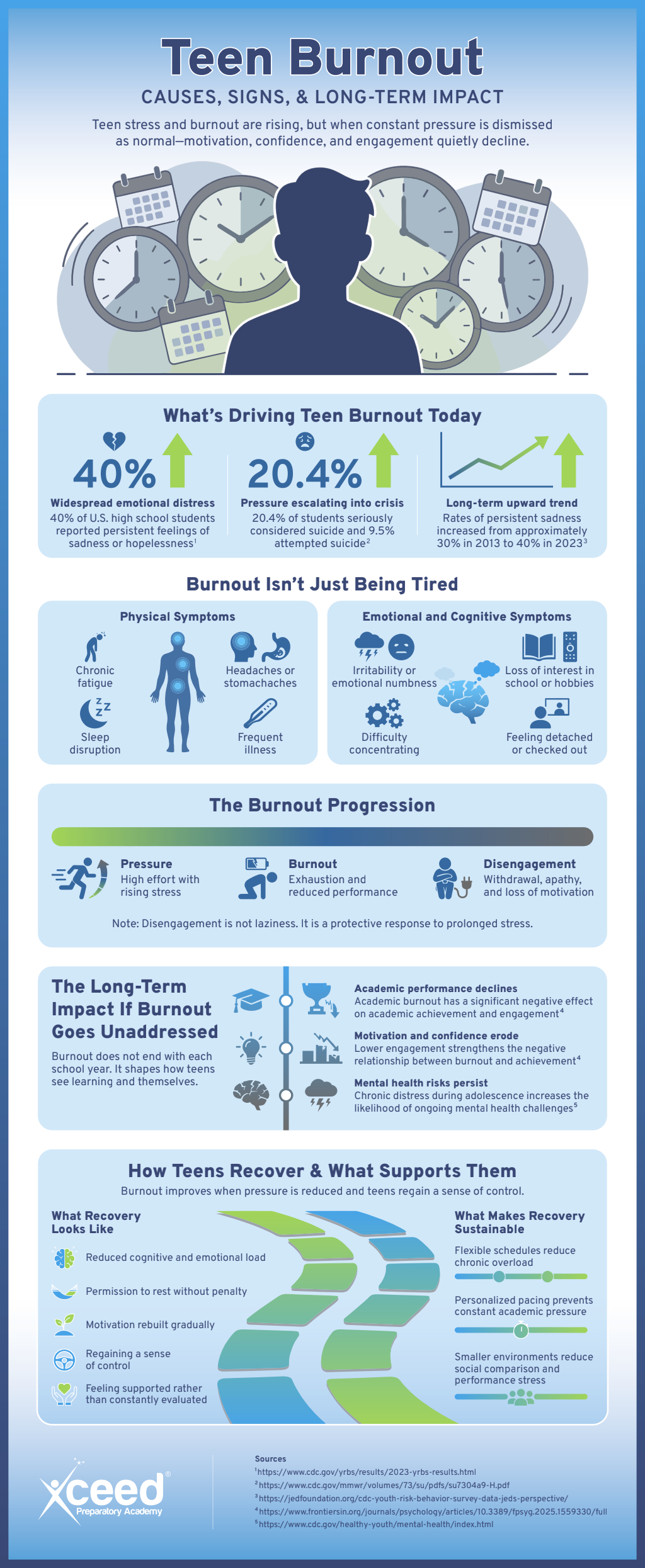
Teen burnout extends beyond mere pre-exam stress or anxiety surrounding significant events. It represents a persistent state of emotional, mental, and physical fatigue arising from sustained pressure without enough time for recovery. Adolescents grapple with academic pressures, social interactions, and future planning, all while their brains and bodies are still maturing. When these stressors are relentless, burnout can set in and impact long-term well-being.
Key Contributors to Teen Burnout
A significant factor is the academic load. Excessive homework, advanced placements, and the challenge of achieving high grades can lead to chronic stress. Young students, regardless of whether they’re in public or private institutions, often experience fierce competition and anxiety about keeping pace.
Another contributing factor is overscheduling. Many adolescents transition from school to extracurricular activities, including sports, clubs, tutoring sessions, or part-time jobs, leaving minimal time for relaxation. A tightly packed schedule diminishes the chances for rest and self-reflection, resulting in an accumulation of stress.
Social pressures also play a crucial role. The impact of social media can heighten feelings of inadequacy and anxiety about performance. Teens might feel compelled to maintain an ideal image while navigating peer relationships in both online settings and face-to-face interactions.
Family expectations can further amplify stress. Even supportive demands can lead a teenager to feel that their worth is contingent upon their achievements, prompting them to push themselves past healthy limits. Over time, this relentless pursuit can sap both motivation and joy.
Recognizing Early Symptoms
Burnout tends to develop slowly. One of the initial warning signs is emotional fatigue. Teens may show signs of irritability, a sense of hopelessness, or feel as though their efforts are fruitless. Activities that once brought pleasure may become unfulfilling.
Physical manifestations may also surface. Common complaints include frequent headaches, stomach issues, and notable changes in sleep habits. Some teens might experience insomnia due to racing thoughts, while others may sleep excessively yet still awaken fatigued.
Cognitive effects may ensue as well. Challenges with focus, memory lapses, and declining academic performance can indicate mental strain rather than a lack of capability. Additionally, social withdrawal from friends or family may signal that emotional reserves are depleted.
Long-Term Health and Developmental Consequences
Untreated burnout can influence a teenager’s mental health trajectory significantly. Continued stress during these formative years correlates with a heightened likelihood of anxiety and depression in later adulthood. When the body’s stress response is activated for extended periods, it can disrupt emotional regulation and resilience.
Motivation can also decline. Teens who link effort with exhaustion may disengage from academic pursuits or career aspirations. Such patterns can carry over into higher education or the professional realm, limiting personal growth and fulfillment.
Moreover, physical health can suffer. Chronic stress can disturb sleep patterns, weaken immunity, and lead to unhealthy coping mechanisms, such as overeating or substance misuse. These behaviors can have lasting effects and shape adult health trajectories.
Ultimately, teen burnout highlights a disparity between demands and recovery opportunities. Early identification and intervention enable families, educators, and health professionals to implement changes in schedules, provide emotional support, and foster realistic expectations. Promoting regular sleep, physical activity, and open dialogue can help restore equilibrium. Proactively addressing burnout during adolescence lays the groundwork for improved mental health, effective coping strategies, and enhanced long-term wellness.
For additional insights on teen burnout, please refer to the resource provided below.


You May Also Like

Habits to Boost Circulation and Prevent Varicose Veins

Free Consultations for Injury Cases in San Antonio