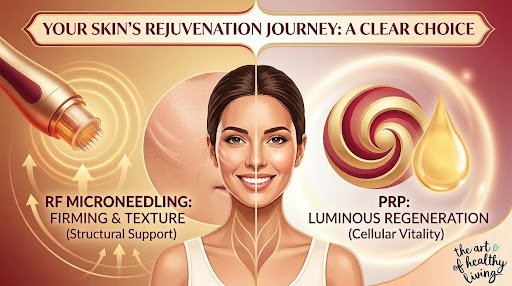
RF Microneedling vs. PRP: A Science
Both RF microneedling and PRP (commonly known as the “vampire facial”) encourage collagen production, but they do so through distinct methods and target different skin concerns. RF microneedling employs radiofrequency heat to lift and tighten sagging skin, whereas PRP utilizes growth factors derived from your own blood to nourish, brighten, and rejuvenate the skin. Choosing one treatment over the other largely depends on whether your focus is on enhancing skin firmness or improving overall skin quality.
You’ve conducted your research, scrolling through countless Reddit discussions and Instagram posts showcasing before-and-after results until you feel overwhelmed. RF microneedling and PRP repeatedly catch your attention, both claiming to deliver youthful skin. Each treatment involves the use of needles (apologies for that), and both boast a fervent following that swears by their chosen method.
But which option is truly best for your skin?
If you’ve explored the leading anti-aging solutions available today, you’ve likely encountered an extensive array of choices. This multitude of options can complicate the decision-making process, making it challenging to discern what suits your needs versus what is simply heavily marketed. In reality, RF microneedling and PRP serve distinctly different purposes. Asking which is superior is comparable to inquiring if a hammer or screwdriver is a better tool—it entirely depends on the task at hand.
Understanding Each Treatment
RF Microneedling: The Synergy of Heat and Needles
RF microneedling involves the use of small insulated needles coupled with radiofrequency energy. These needles penetrate the skin at a precise depth, typically ranging from 0.5 to 4.5mm depending on the targeted area and the device in use. The RF energy heats the deep dermis to approximately 65 to 70°C, triggering a wound-healing response that sets the treatment apart from standard microneedling.
The addition of heat stimulates fibroblast activity, promoting the production of collagen, elastin, and hyaluronic acid—all essential components for youthful skin. A study published in Scientific Reports in 2025 highlighted that RF microneedling significantly diminished the presence of aged fibroblasts in the skin and boosted collagen and elastin levels compared to conventional microneedling, marking a significant advantage.
Several devices are classified under the RF microneedling category, including Morpheus8, Secret RF, Vivace, and Profound. Notably, Profound RF is the only FDA-approved device that stimulates all three key structural proteins concurrently. Most RF microneedling protocols recommend one to three sessions, with results becoming more pronounced over three to six months as the body undertakes the remodeling process.
PRP: The Body’s Natural Repair Mechanism
PRP, or platelet-rich plasma, is just that—a concentrated portion of your blood. A small sample is drawn and processed in a centrifuge to amplify the number of platelets within it. These platelets are rich in growth factors, proteins that your body utilizes for tissue repair.
The concentrated plasma can either be injected directly into the skin or applied topically post-microneedling, the latter being the familiar “vampire facial” you’ve likely encountered. According to the Cleveland Clinic, PRP’s growth factors assist in wound healing and tissue regeneration, and its popularity in cosmetic skin treatments has steadily increased since the 2010s.
PRP excels in enhancing skin radiance, evening the skin tone, addressing minor scarring issues, and revitalizing sensitive areas like under the eyes. Since it originates from your own body, the risk of allergic reactions is virtually non-existent. Generally, three to four sessions are recommended, scheduled about four to six weeks apart.
Determining What’s Best For Your Skin
Ultimately, the choice depends on your specific skin concerns.
If sagging or skin laxity is your primary concern – RF microneedling has a definitive advantage. The thermal energy effectively contracts existing collagen fibers while stimulating new collagen and elastin production at a deeper level than PRP can achieve. This method can notably enhance contours in areas like the jawline, lower face, and neck—regions that typically show the effects of gravity first. PRP, lacking thermal energy, cannot provide the same level of skin tightening.
If you’re dealing with tired-looking skin, uneven texture, or mild scarring – consider PRP alongside microneedling as a viable option. The growth factors in PRP can accelerate cellular repair and turnover, leading to a brighter, more even skin tone over multiple treatments. It is especially effective in addressing post-inflammatory pigmentation and shallow acne scars. The American Academy of Dermatology notes that combining PRP with microneedling can lead to less noticeable scarring compared to microneedling alone.
If you desire both tightening and a radiant appearance – some clinics offer combined treatments in the same session, and this is supported by clinical evidence. A 2024 study on neck wrinkle treatments determined that the combination of radiofrequency and PRP yielded significantly better skin elasticity and collagen results after six months than either treatment alone. This combined approach demonstrated longer-lasting effects.
Key Aspects of Treatment Outcomes
It’s essential to set realistic expectations for treatment results. Neither RF microneedling nor PRP delivers immediate effects.
After a PRP session, many clients notice an initial glow within a few days, with their skin appearing healthier and plumper. However, substantial improvements in texture and tone develop over weeks and become apparent after multiple sessions. It’s a gradual process.
RF microneedling demonstrates visible tightening effects around four to six weeks post-treatment, but the most pronounced outcomes take three to six months to appear, as collagen remodeling unfolds over time.
Before deciding on either treatment, it’s vital to review actual patient results specific to the device and clinic you’re considering. Look for genuine before-and-after images from the provider, avoiding filtered social media posts or generic stock photos. Genuine examples, especially for RF microneedling, can offer a clearer representation of the potential results. Remember, different providers and devices can yield varying outcomes, so it’s crucial to see evidence relevant to your chosen treatment option.
Understanding Downtime, Costs, and Practical Considerations
Details regarding downtime and cost often become key factors in decision-making, so here’s a straightforward overview.
Recovering from PRP microneedling usually results in one to two days of redness, allowing most individuals to wear makeup the following day. It’s a relatively straightforward recovery process. In contrast, RF microneedling may require two to five days of redness and mild swelling, with some bruising possible. If you’re considering Profound RF, anticipate around five to seven days of social downtime. While it’s not necessarily painful, planning to avoid significant events during the week after treatment is wise.
PRP treatments typically entail three to four sessions for optimal results, whereas RF microneedling may require fewer sessions, sometimes just one with Profound RF. This factor is essential to consider when planning your schedule.
Cost can vary widely based on location and provider, but generally speaking, PRP microneedling is less expensive per session. Although RF microneedling may require a higher upfront investment, the possibility of needing fewer sessions can even out the overall cost. Both treatments utilize numbing cream; however, RF might be slightly more uncomfortable due to heat application. Profound RF treatments are often conducted under local anesthesia, which greatly alters the experience. Many people, myself included, hesitated to explore needle-based treatments due to fears of pain, but the numbing process genuinely enhances comfort levels.
Considerations Before Booking Your Treatment
It’s crucial to prioritize the credentials of your provider more than you might realize. The American Academy of Dermatology recommends selecting a medical professional with expertise in cosmetic skin procedures, and this guidance is invaluable. Both RF microneedling and PRP entail technical skill for safe and effective application, with outcomes heavily reliant on the provider’s competence and the quality of the equipment used.
While both treatments are generally safe for all skin tones, proper device settings and experienced providers are crucial, particularly for deeper skin tones where inappropriate settings might result in hyperpigmentation. Don’t hesitate to ask questions; an experienced provider will appreciate your inquiry.
Additionally, avoid at-home microneedling rollers. The American Academy of Dermatology has specifically cautioned against these due to infection risks and potential technique errors. Professional-grade treatments operate at depths and energy levels that consumer devices simply cannot safely replicate.
If you are experiencing active breakouts, eczema, or any skin infections, it’s essential to wait until these issues resolve before considering either treatment. This is non-negotiable. And it’s important to note that not all RF microneedling devices offer the same features. The technology, needle design, and energy application can differ among brands. Always inquire about the specific device your provider uses and their reasons for selecting it.
Choosing the Right Treatment for You
Neither treatment is universally superior; they address different aesthetic needs. The best approach is to critically assess what your skin requires. Is firmness your primary concern? RF microneedling is likely the better choice. Are you aiming for improved texture, luminosity, or expedited healing? PRP has shown strong results in these areas. Some patients opt for both treatments, either sequentially or in combination; this is also a valid approach.
Ultimately, it’s about aligning the treatment to your specific goals rather than simply following trends.
If you’re contemplating how these skin treatments can integrate into a broader wellness regimen, The Art of Healthy Living features a helpful article on incorporating wellness into your beauty routine that connects various aspects worth exploring.


You May Also Like

Can Vitamin E Supplements Enhance Hair and Skin Health?

Coconut Butter vs. Shea Butter: Which Is the Superior Moisturizer?